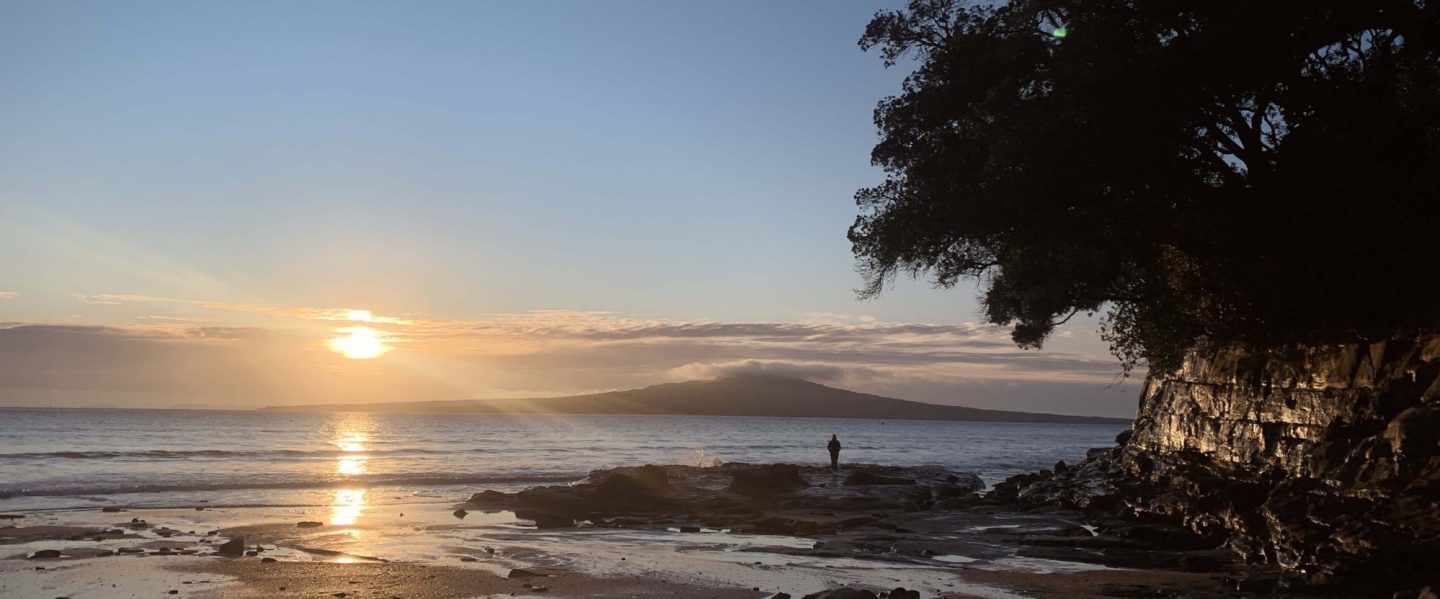

even dark is light
life—it’s a balancing act
as taught by nature
Watch and learn
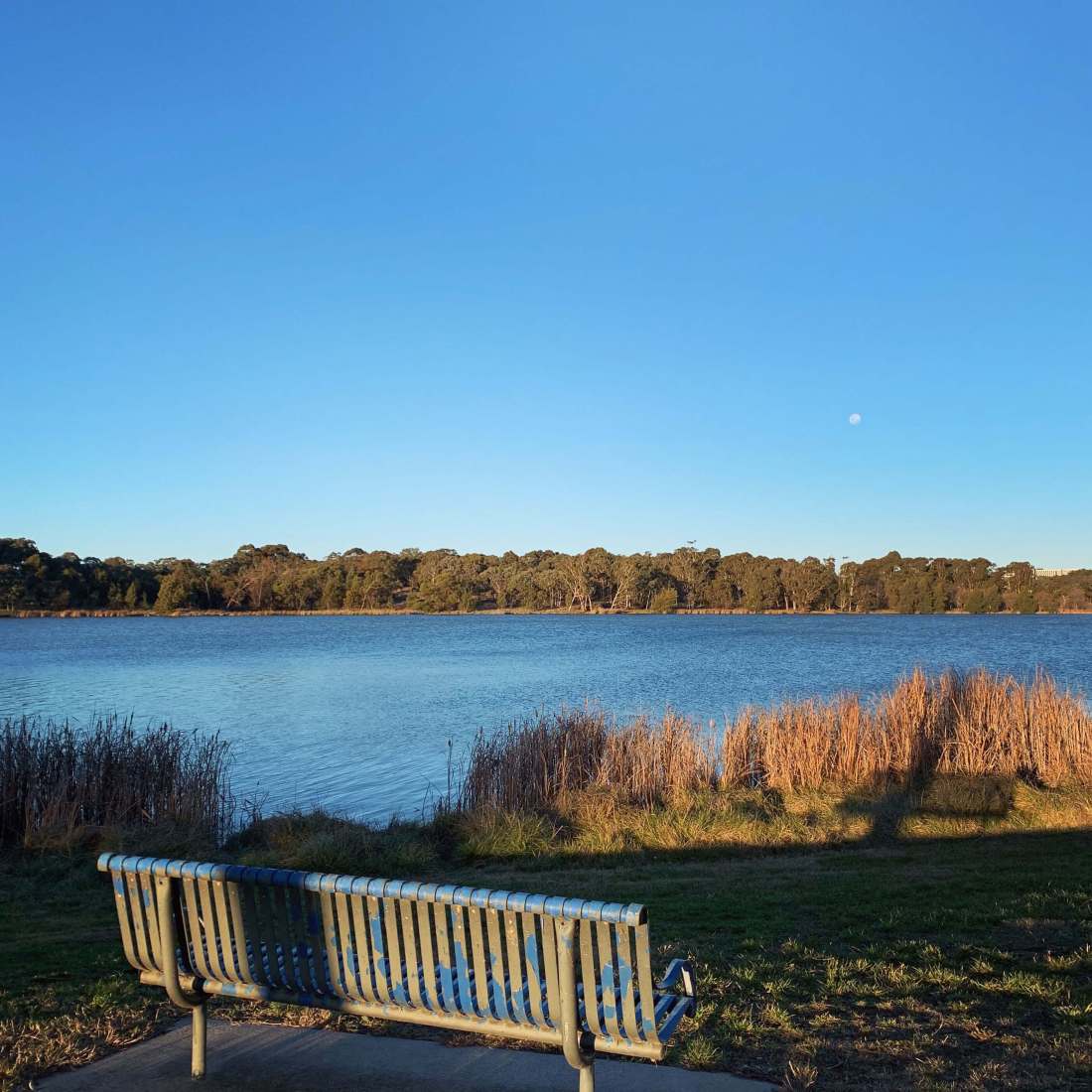
even dark is light
life—it’s a balancing act
as taught by nature
“So tell me, why should someone visit India?”
“Er—”
When my friend asked me what’s good about India, I couldn’t come up with anything.
The only reason anyone from the first world or a western country should visit India is to understand how much privilege they have over the people of developing countries.
It’s eye-opening. Even the smallest things like a proper footpath are non-existent. Things you’d take for granted, like safe neighbourhoods, pedestrian-accommodating road rules, recycling systems, garbage trucks are all still tucked away under a vague five-year economic plan that may never see the light.
But I know all that only because I’ve lived there. I’ve wallowed in that toxicity for so long that I’ve come to hate everything about it, no longer recognising, or even acknowledging, the good things.
I wanted to leave–for a better lifestyle, a better society, and better mental health.
And I’m fortunate that I could. But—ain’t the grass always greener on the other side.
India is a beautiful country—to visit. It plays host to 780 languages, the second largest number in the world. Thousands of cultures practice millions of traditions every day. Aside from their historical practices, each group that speaks a language has many religious beliefs as well. And so, every language, throughout the years, has served as primary communication among different religions and castes (family groups). Not only does this magnify the number of classifications amongst Indians, but it also depicts the diversity that thrives in India.
For me, that’s a whole lot of unnecessary complexities that lead to political and religious wars. And that disgusts me.
However, this diversity is also why India (most of it, anyway) has a rich heritage and open-mindedness in welcoming foreigners. People love to show off—whether it’s their customs, tales they grew up with, dances passed down over generations, food that’s comforted pained souls for ages, they enjoy sharing with anyone curious enough to ask and invested enough to respect.
That’s priceless when you’re a traveller.
Even though every corner of the country, every urine-smelling alleyway, every open garbage dump, and every infected street dog nauseates the average person, that’s also where you’ll find charming old ladies selling fresh flowers for your hair. You’ll see short-tempered fruit and vegetable stall holders bickering with each other who’s got better produce. You’ll run into juice vendors who’ll pour you a glass so full that you have to take a sip first before carrying it away. When you chat with them, you’ll learn their struggles to make ends meet, to pay their children’s school fees, to wake up every morning with only three hours of sleep. And yet, as you pass these everyday people on the street, you’ll realise that despite all the harsh realities of their lives, they still try to smile, share, and celebrate spreading joy around them.
India is a “developing” country—been that way for decades. And it’s hard to say when, if at all, it’ll offer its people the comfort and luxuries that’ve become a norm in other countries. Regardless, Indians try hard every day to make their lives a little better than it was the day before. And that’s worth a visit.
Oh, and the Himalayas probably makes it worthwhile too.
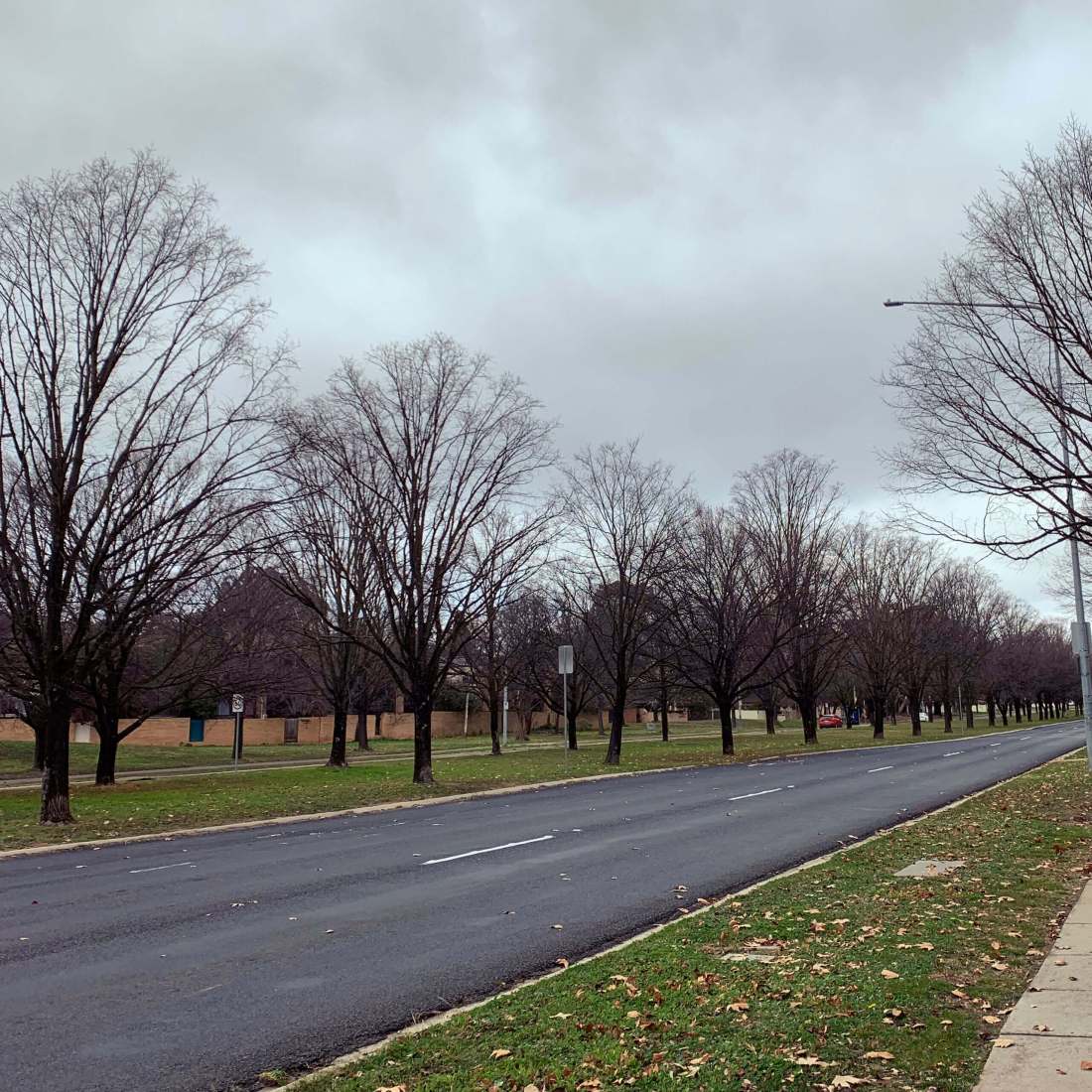
long and bare
arms reaching out
body chilling
he pleads
mercy
praying to the cold and grey
ruthless sky
heart clenched with ice
dripping shards of hate
just being
unperturbed by a leaky belly
swooshes the gale
slapping sideways
arms swinging
he sighs
winter

face showering smiles
sending joy for all to share
nature does with waves
It’s been just over two months since I moved to Canberra, and I’ve at last started to feel like a local.
It’s nice too—I can now walk to the shop nearby without having to look at a map ten times along the way. I like knowing how many signals I need to cross before reaching the mall, and which entrances are be open later in the night. I find myself analysing the various walkways to my destination and choosing the closest or the most scenic depending on my mood.
It’s empowering in a way that I don’t have to rely on someone or a some technology to help me navigate, to help me get through every day.
That’s the life of a local—knowing the right bus stops and the frequent routes, not because you’ve memorised them but because they’ve become part of your routine. I even shrug off the little things that a someone new in town might roll their eyes at; well, that’s Canberra for ya, mate.
But it also means that I no longer feel the city the same way as a traveller does. And I felt that way for quite a while. Everywhere, I saw something worthy of a jaw drop, a closer look, a lingering moment. Everything fascinated me, and I’d willingly walk an extra kilometre to read the street names and stare at the buildings.
I don’t do that as much nowadays. Sure, I still walk four kilometres everyday around the lake just because I want to experience the many wonderful trees and birds and noises—they’re so enchantingly different every time.
However, I also see the other side. And resonate with it.
I see the things, the little annoyances, jitters, that a common person sees. I understand more about why some people don’t appreciate the new bus routes. I loved them when I arrived—extra buses, free services for a month, what’s not to love, I wondered.
Now I know how it’s affected some people’s lives. How a small change in their schedule has toppled regular commuters who find it difficult to adjust to the new system. I’d never have understood that a couple of months ago. Now, though, I can sympathise with them. And now when the old lady sitting at the bus stop tells me that the previous bus never showed up for some reason, I realise what it means to her. And the best of all, I’m now local enough to agree with her and tell her about the time I sat waiting and the bus never showed.
It’s the little things like that that make home feel homey. My lifestyle has melded into the ways of other Canberrans, so much so that I’m now a regular spectator at a local Morris dancing practice. The dancers identify me so that if we run into each other someplace else, we’d exchange a warm hello. I have events and things to do every week—people to meet, shanties to sing, writing clubs to be accountable to—things I look forward to. Things that make living in a society enjoyable and worthwhile.
That’s what it means to be local.

