The Bush Capital

โ€œI [โ€ฆ] picked up the notebook and pen and, after a minuteโ€™s thought, wrote, โ€œCanberra awfully boring place. Beer cold, though.โ€ Then I thought for a bit more and wrote, โ€œBuy socks.โ€

[โ€ฆ]

Then I decided to come up with a new slogan for Canberra. First I wrote, โ€œCanberraโ€”Thereโ€™s Nothing to It!โ€ and then โ€œCanberraโ€”Why Wait for Death?โ€ Then I thought some more and wrote, โ€œCanberraโ€”Gateway to Everywhere Else!,โ€ which I believe I liked best of all.โ€

Excerpt from In a Sunburned Country, Bill Bryson.

I read that piece of prose about a month before I moved to Canberra. A good friend, American, suggested that I read Bill Bryson’s In a Sunburned Country as a way of getting into the moving mood. Of course, my friend meant wellโ€”though he couldn’t recall Bryson’s exact feelings about Canberra, he did mention that Bryson covers the whole of Australia from an American comedian’s perspective. And that’s just what the book does.

I’d done some research on my own and everything I learnt hinted at a great place to liveโ€”a quiet small town with lots of greenery and large lakes, stunning autumnal sunsets, and frostbiting winters. And so it surprised me to read the author had suffered great boredom in Canberra. In the book, Bryson moves on to Sydney, Melbourne, and Brisbane, narrating his observations along the way. And sure enough, in comparison to those metro cities, Canberra is rather subdued and humble.

Estimated population of Canberra in 2035

But Canberra is far from a boring place. I’ve been exploring the area and town life every day since I moved here a month ago. And there’s not a single thing that didn’t amaze me. Aside from the old parliamentary building and the old law-making systems, the national war memorial that brings to life each war Australians suffered, and the museum of modern history that plays host to thousands of years’ history, the city by itself has a story to tell.

The National Capital Exhibition is a smaller building than the other tourist attractions. However, it hosts hundreds of interesting titbits about the city that’d make any Canberran swell with pride.

Canberra is a planned city. When the government decided that neither Sydney nor Melbourne can serve the purpose, they weighed various criteria to choose the capital city. With sufficient resources for agriculture and cultivation, natural scenery that’d attract visitors and locals alike, a secure landmass away from the coast and naval invasions, and an accessible location from all over the country, Canberra became the ideal capital. As I read through each point in favour of Canberra, I found myself nodding in agreement. This is a great place. And the best partโ€”not many people have discovered it yet, giving it an excellent population balance.
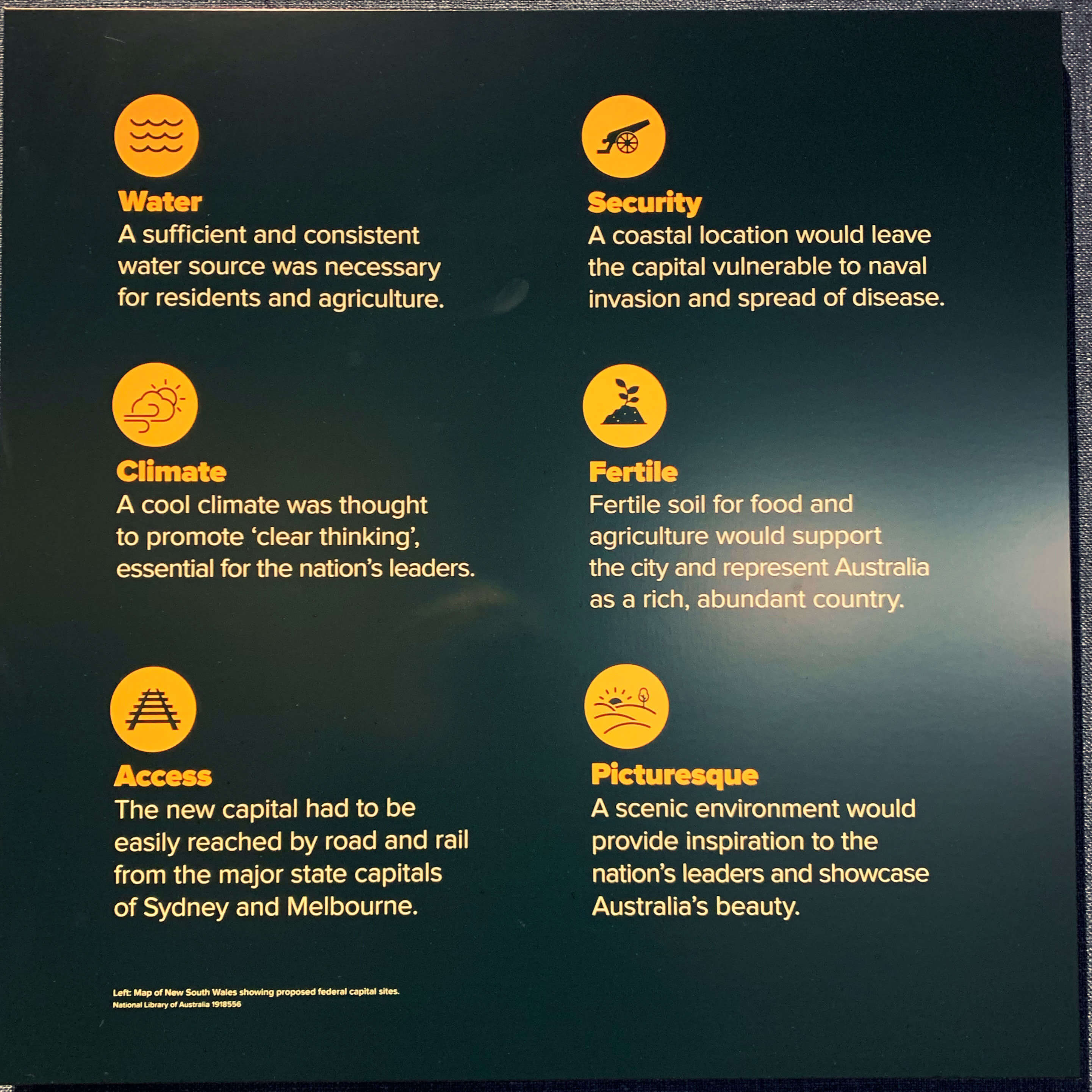
Selection criteria for Australia's capital city
Selection criteria for Australia’s capital city

In the exhibition is a large 3D model of Canberra’s layout, lit up, and highlighting the geometrical marvel that the city is built upon. The parliament building is on top of a hill. Looking right across from the top is the national war memorial serving as a constant reminder of the consequences of any decision made inside the parliament. Branching away from the centre are the main roadwaysโ€”the spines for the many suburbs woven around them. From above, Canberra looks like a spider’s web. It’s well spread out and yet interwoven to make sure you can drive from one corner of the city to another in 30 minutes or less.

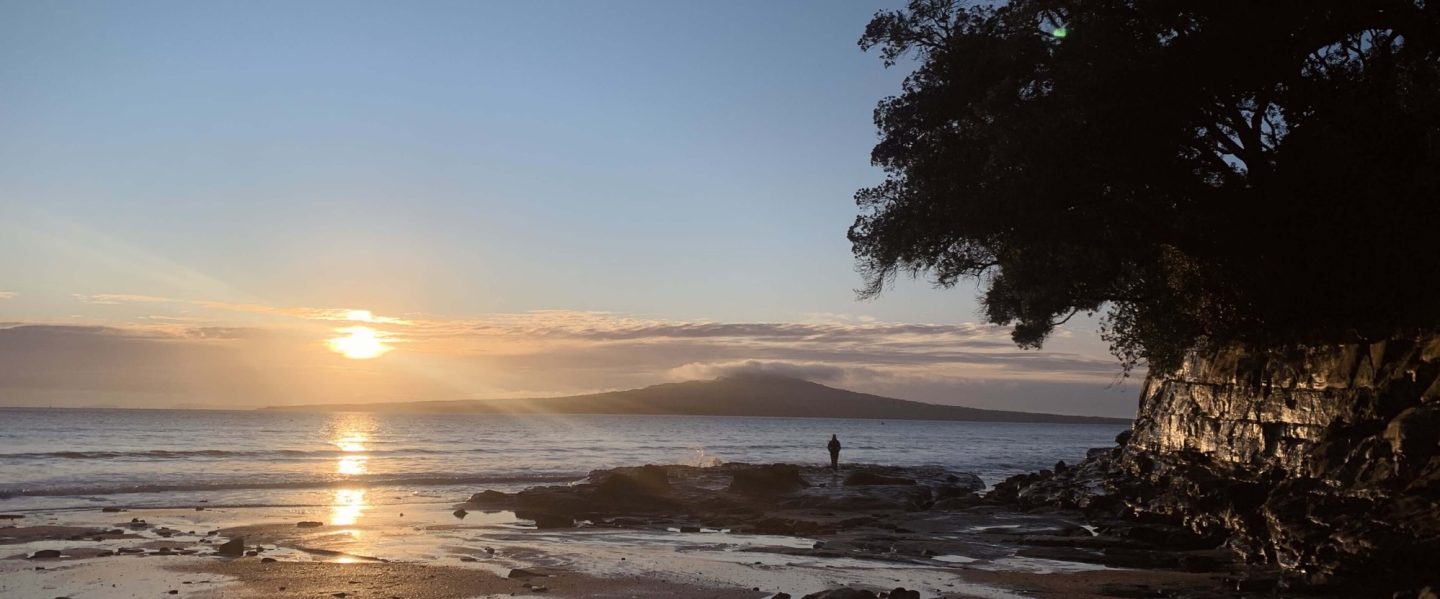
And then there’re the lakes. Although artificial, Canberra’s primary lakes, Burley Griffin and Ginninderra, complement the many natural forests around the city. Footpaths go around the lakes and the bridges over. It’s as if no humans can ever disrupt the calmness of the lake or disturb the babbling ducks in it. Looking at the Lake Burley Griffin through a window, I wondered how much the city’s designers (Walter Burley Griffin and his wife Marion) would’ve appreciated and yearned for nature that they decided to plot such big lake right in the middle of the city.
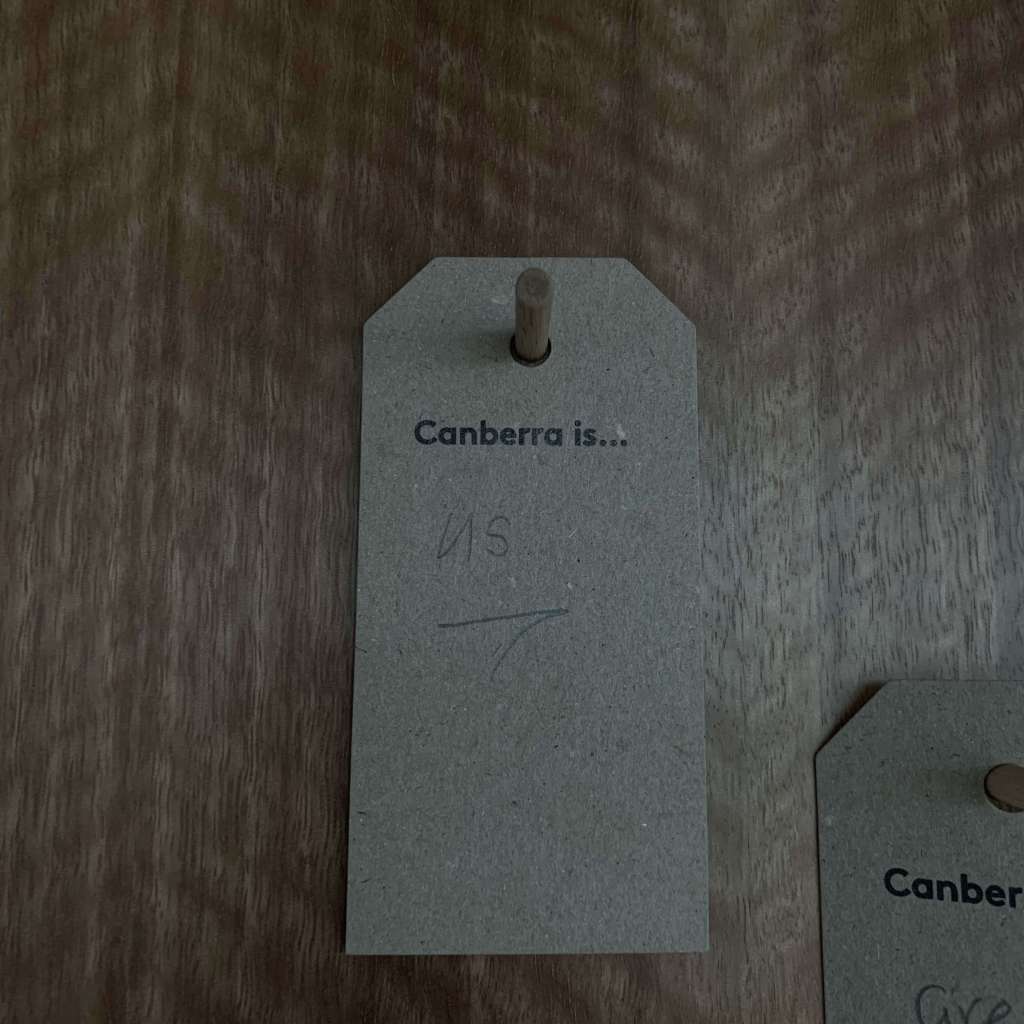
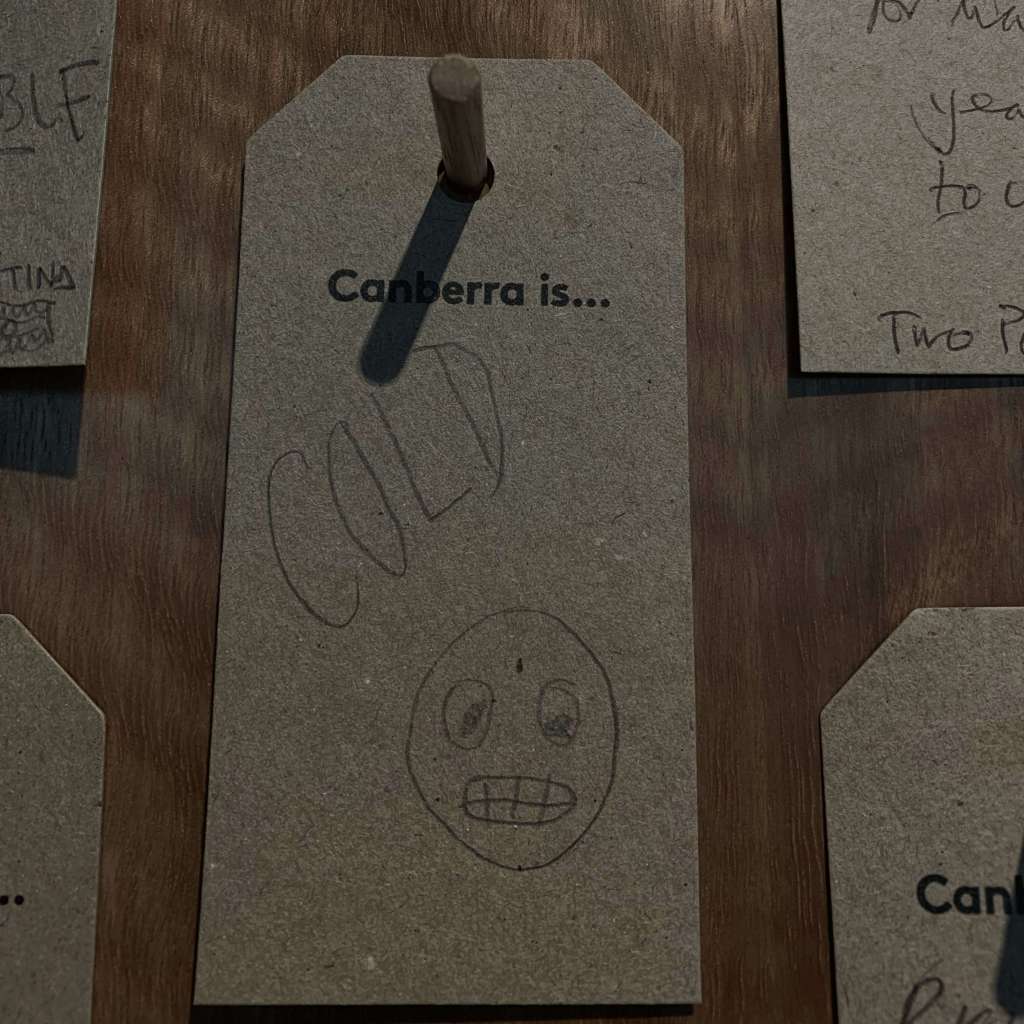
  • What is Canberra to you?
  • What is Canberra to you?
  • What is Canberra to you?
  • What is Canberra to you?

Sure, Bryson was right in a few aspectsโ€”the shops close at 5 and the night scene is still quite bleak, but this is the bush capital. If you like yourself some greenery, Canberra won’t disappoint.

Parting thoughts: Never judge a place based on a few authors’ descriptions. Everything is subjective.

For the first time

When was the last time you did something for the first time?

Not long ago, this question popped up all over the internet. People woke up to realise how meaningless their everyday routines are. And all of a sudden, they were talking about making significant lifestyle changes that you would associate with the madness of new year’s resolutions.

People quit their jobs. They took to hiking, to jogging, to exercising, and some even considered bungee jumping for crying out loud.

Despite the varying degree of madness, everyone who’d boarded the bandwagon had one thing in common: they wanted to come out of their comfort zone.

That’s commendable.

It’s just too easy to snuggle up in a comfortable place, listening to comforting words and eating mac and cheeseโ€”even more so when Winter’s just around the corner.

It was one of those daysโ€”cold and cloudy, not a ray of sunshine to dry out the dewy grasses. I woke up to 7 degrees Celsius (44 Fahrenheit), and for the first time in my life, it didn’t go over 9 degrees Celsius all day. Taken by surprise and shaking with shock, I sat in the corner of my room with my blanket wrapped around my shoulders like my mother’s arms. Though I’d closed the window and the wind whistled way out of my reach, I still sensed the biting cold just waiting for me beyond the comfort of my room.

I didn’t want to go out. It was a Wednesday afternoon, and all I wanted to do was lock myself in my room until winter past.

In my defence, I relocated to Australia only a month ago. It’s my first experience with Autumn and the fast-approaching Winter. But after sitting in my corner all morning, and watching the final episode of House of Cards, I realised I was a coward. I work from home, which is convenient, but that also means I could use it as an excuse for not stepping out.

Within five minutes, before I could change my mind, I was in the shower. I would go out for a walk and face the falling temperatures. So what if it’s cold, I told myselfโ€”let’s get used to it.

And so I went.

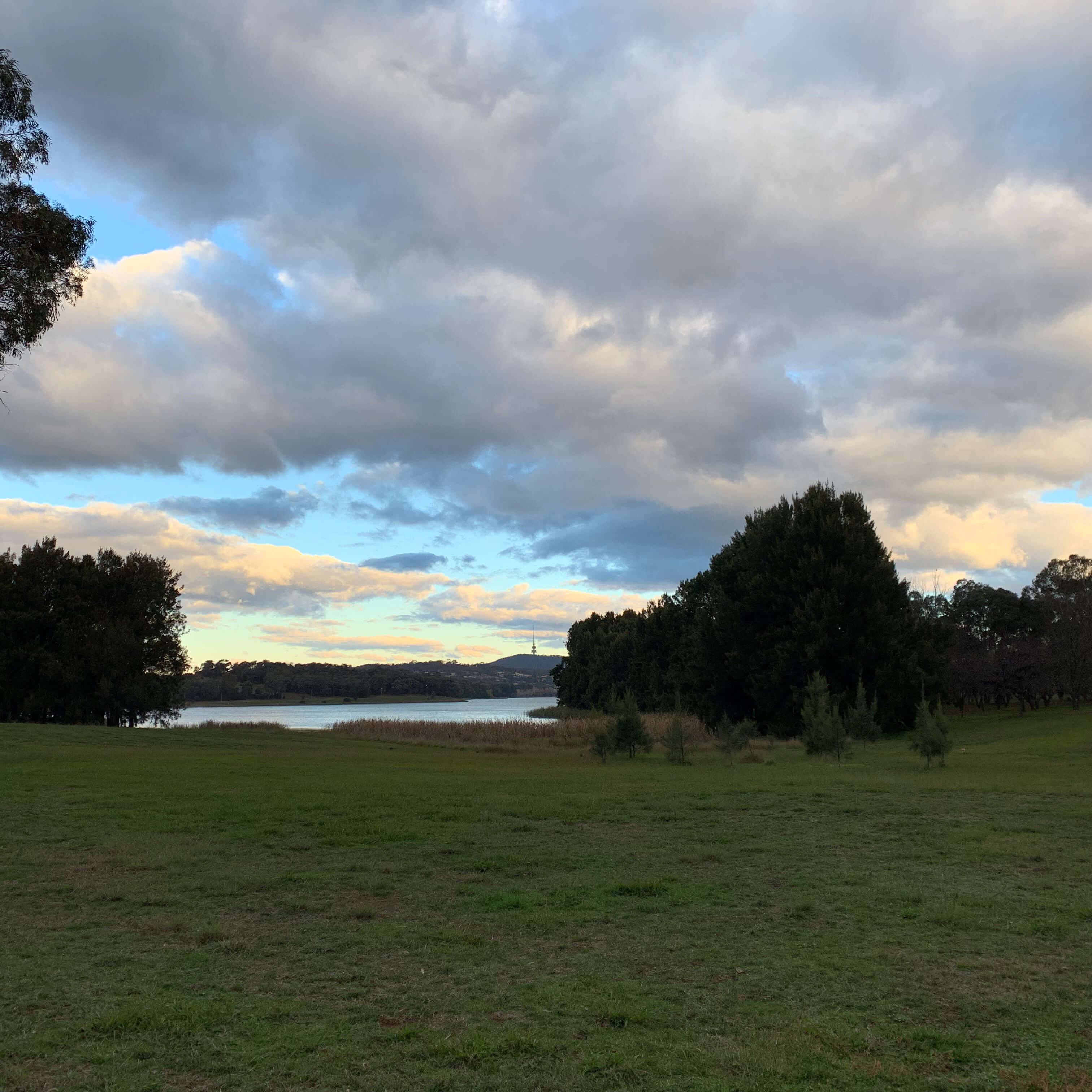
Walking along Lake Ginninderra in Canberra, Australia

I was a little cautiousโ€”wearing my beanie to prevent the cold from whispering in my ear or coming down on my forehead. But from the moment I decided to get out, I felt the temperature within me changeโ€”from feeling cold and scared, I felt a warmth spread through me that had nothing to do with the weather outside. And as I walked down the street, flanked by trees in their Fall prime, I felt the breeze kissing my face. It stung a bit, yes. But after a while, I started enjoying it. It didn’t hurt anymore, but felt rather welcoming. My nose was runningโ€”I was breathing fresh air like never before. The leaves rustled all around me, the cockatoos sang in approval as I strode past their homes, and even a couple of other people crazy enough to wander the same path smiled as we crossed each other.

By the time I returned, I felt so alive. And cold, yes. I did make myself some hot tea before curling under the blanket, but it was still an achievement in my book.

Doing something for the first time doesn’t have to be a drastic and dramatic adventure. It could be a simple everyday situation where we explore the uncomfortable. And for me, it was challenging myself not to fear this beautiful time of the year.

Parliament day

Australian politics and history have evaded us for a long time. I realised this as I walked past portrait after portrait of the Australian prime ministers. Most of Canberra’s suburbs have names of these Prime Ministers, but aside from that I hadn’t heard of even one of them before. What a shame. Though I grew up in Asia, I knew leaders of Britain, the US, and Canada from an early ageโ€”they were always in our history books or the ugly political discussions at awkward family dinners.

Wondering about the weirdness of it all, I wandered the old parliament house in Canberra.

Although it was built as a temporary parliament in the 1920s, the provisional parliament building ended up serving as the actual parliament for over fifty years. Today, though, it’s a storehouse of exhibitions and historical monuments.

Apart from the primary attractions like the House of Representatives Chamber, the Senate Chamber, the Prime Minister’s office, the Cabinet, and the Opposition Party Room, the parliament building is also home to plenty of smaller, yet significant exhibitions.

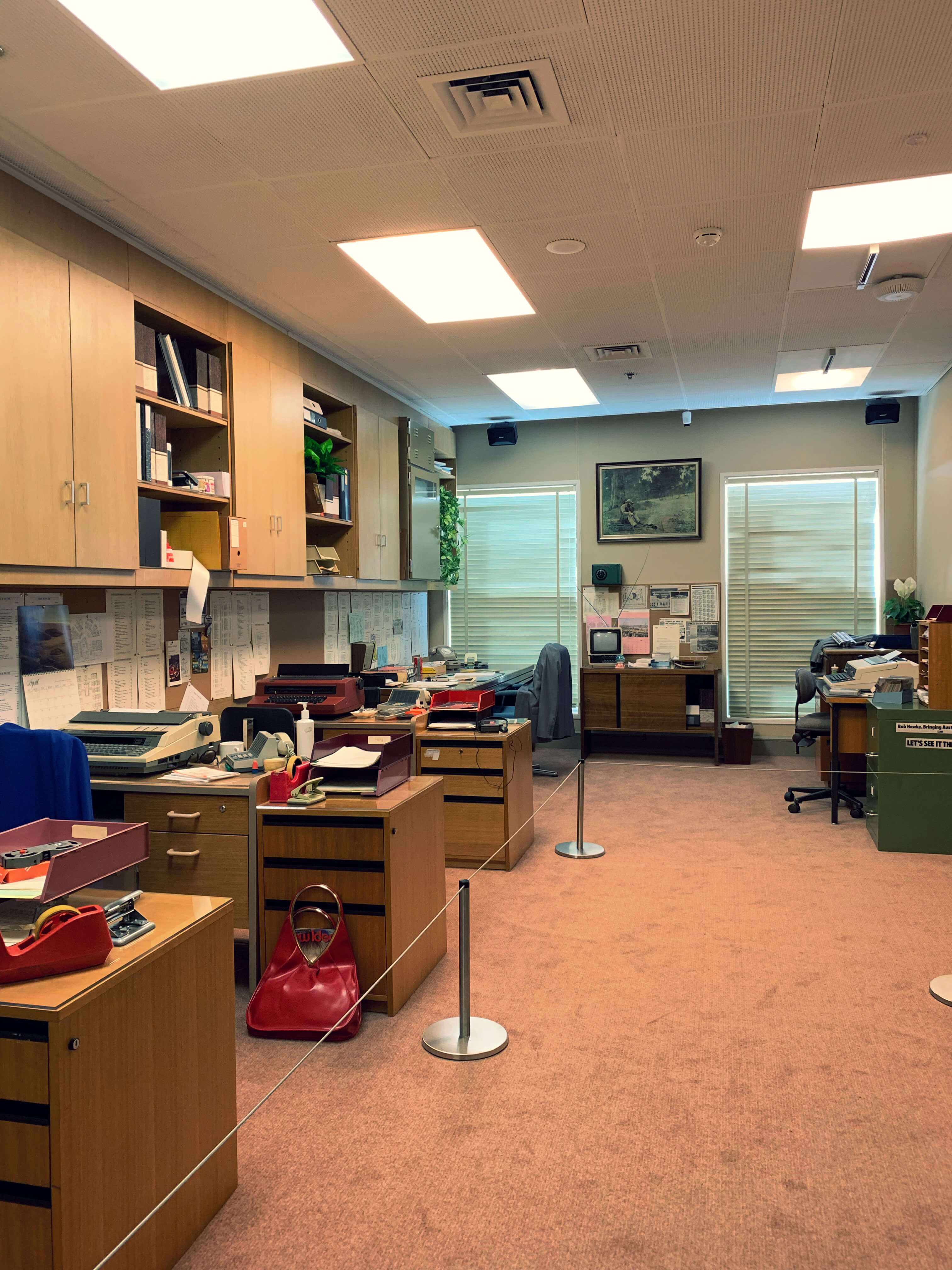
  • Prime Minister's staff offices
  • Prime Minister's office
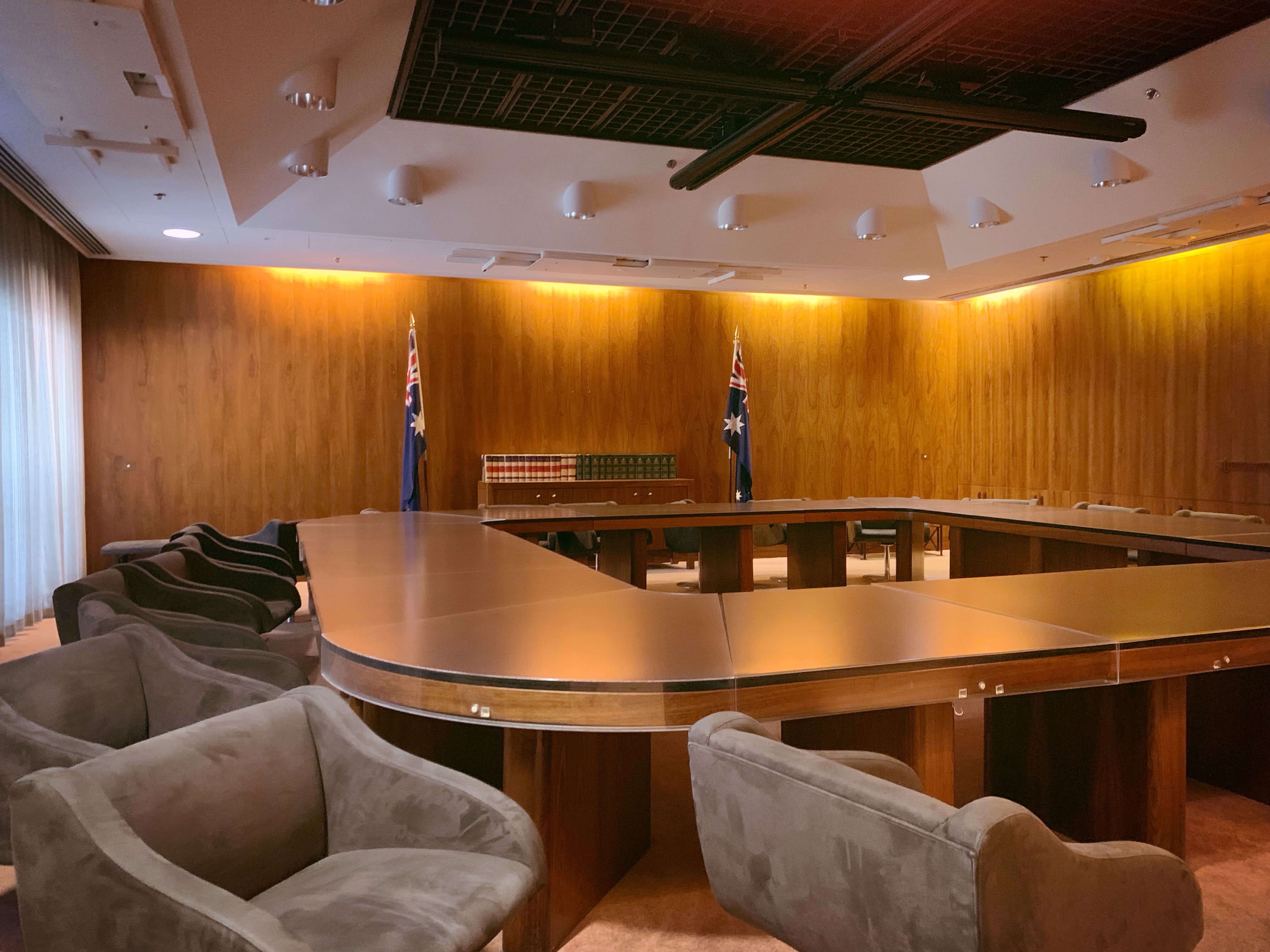
  • Cabinet
  • Vintage computer - office of the parliament speaker

When I walked in, I had no idea what to expect. Equipped with a though floor plan of the entire building, I wandered through the corridors looking into each exhibition.

Finders keepers
My first stop, this exhibition showcases the different types of collectables famous Australian figures collectedโ€”like the telephone collection of a former telecommunications officer, the tie collection of a former minister, the t-shirts and badges owned by a social activist, and the porcelain collection of a parliamentarian. Each of these collections ties into the larger story that museums themselves are collectors.

Neil Baker's telephone collection
From Neil Baker’s telephone collection

OnetoEight
Moving along, I paused at a large room dedicated to remembering the Prime Ministers of Australia. Apart from photographs and descriptions of their work, you can also hear recorded versions of some speeches they delivered throughout their reign.

Wives of the Prime Ministers
Inspiring and eye-opening, though they were, more striking was the portrait exhibition of the wives of prime ministers. A surprise, it wasโ€”although every museum I’ve been to celebrates public leaders and their achievements, none of them mentions the families that supported the great menfolk of our time. This exhibition, albeit small, casts a vital spotlight on the womenfolk of the nation.

Whenever I visit historical sites, I don’t set time limits to myself. I don’t like rushing through exhibits to move on to the next attraction on my list. That’s such a touristy thing to do. Instead, I take my time to explore, read inscriptions, watch the videos, and linger. As a result, I spent $2 (entrance fee) and over 4 hours inside the parliament building.

I have no regrets, though. If I hadn’t stayed on, I would’ve missed the witty and thought-provoking political cartoons on display. Couriser and couriouser, huh?

I would’ve missed the #UDHRquilt project. UDHR stands for Universal Declaration of Human Rights, and this project was the work of craftivists (craft+activist), Tal Fitzpatrick and Stephanie Dunlap. They made four quilts, embroidered with the articles mentioned in UDHR. I’m no activist. I have mixed feelings about how human rights are so subjective at times. But I still enjoy a good piece of art.

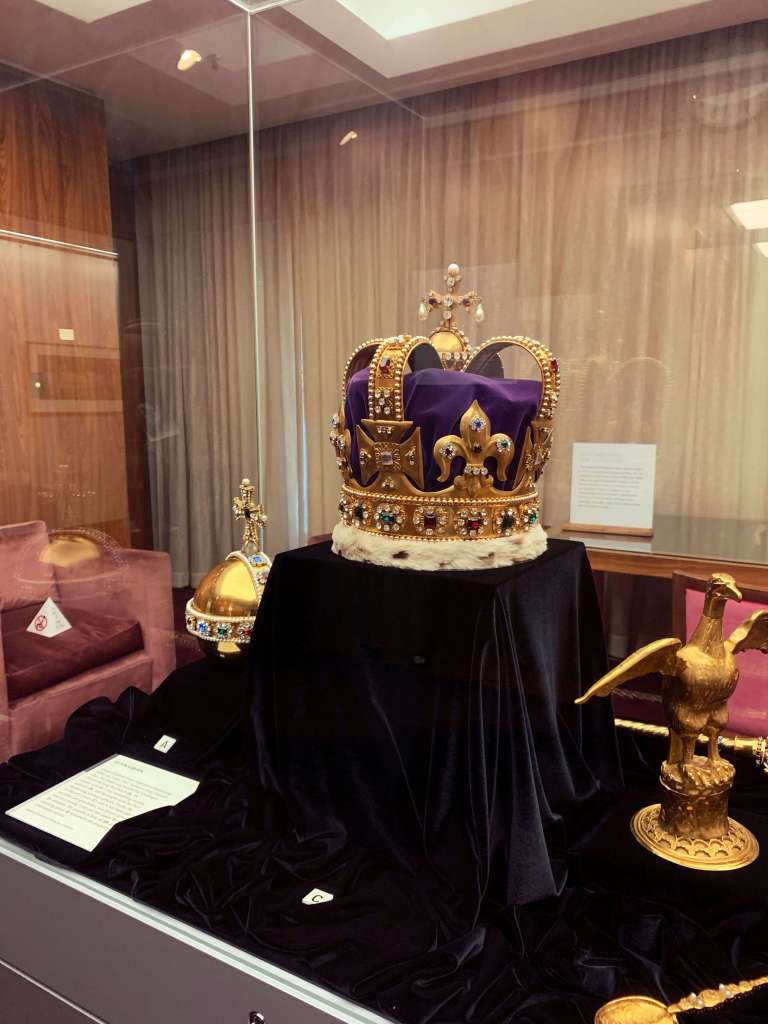
Oh, and I would’ve missed the crown jewels. Not the real ones, though, of course. When Queen Victoria visited Australia, they made a separate area in the parliament to accommodate the Queen and her party. And as I stepped into her living space, I couldn’t believe how simple everything was. The dining table was just a basic wooden structure, the bathrooms, the kitchens, the sitting area, though impeccable, were more functional than fancy. It reflected that the royalty and the highest members of the government were still so human, so vain.

Replica of the Crown Jewels

Had I left any sooner, I’d have missed the most exciting exhibit of them allโ€”the Press Gallery. It’s hard to fathom that the small, even stuffy, rooms above the house of representatives were the life of the government. Everything that the world knew and heard of about the rule makers came from the pressโ€”every printed phrase and every uttered word makes a world of difference. And as I stood where so many print and radio journalists had stood in the past, I felt proud to appreciate the power of the written word and its influence in the world.

Writing on the wall - Press Gallery
Writing on the wall – Press Gallery

Other highlights in the museum:

  • Prime Ministers’ office
  • Opposition party room
  • Opposition party whip’s room and the television that let him observe the proceedings at the house of representatives without being there
  • Dress Code of the Empire: A look at Edmund Barton’s (first prime minister of Australia) costume
  • Copies of the Australian Constitution, Declaration of Independence signed by the Queen, Australia Act, and its modifications
  • Various signs and slogans of Australian politicians – then and now
  • A brief history of democracy in Australia

In the end, it was like any other trip to the museumโ€”so satisfying, so full of lessons, and so overwhelming. And still so worthwhile. By the time I left, I didn’t have time to go elsewhere because most of the museums and historical sites in Canberra close at 5 pm. Remember that when you visitโ€”and do visit.