Little pleasures. Good times.

I did a typical Australian activity today: I fixed the garden hose and watered the plants.
I didn’t have a garden when growing up.

Since moving to Canberra eight months ago, I’ve lived in two other share houses, and neither of them had anything more than a pathetic excuse for grasses. The first was in a fancy apartment building, on the sixth floor, overlooking the beautiful lake. But it was full of material things accumulated over its 12 years of being a shared residence. The place didn’t even have a clothesline to dry laundry. Instead, fancy as it is, it had a dryer. It even had a dishwasher that I never used. Any dream of plant-tending was out of the question unless I did it on the balcony, which was rather large, but also dusty and uninviting.

The second was an individual house. Old and creaking. Every morning, the house echoed with the wish-wash of the flushing toilet as one after the other, the three of us living there did our morning rituals. It had a decent-sized backyard that the longest-standing housemate used as a food dumping ground for possums.

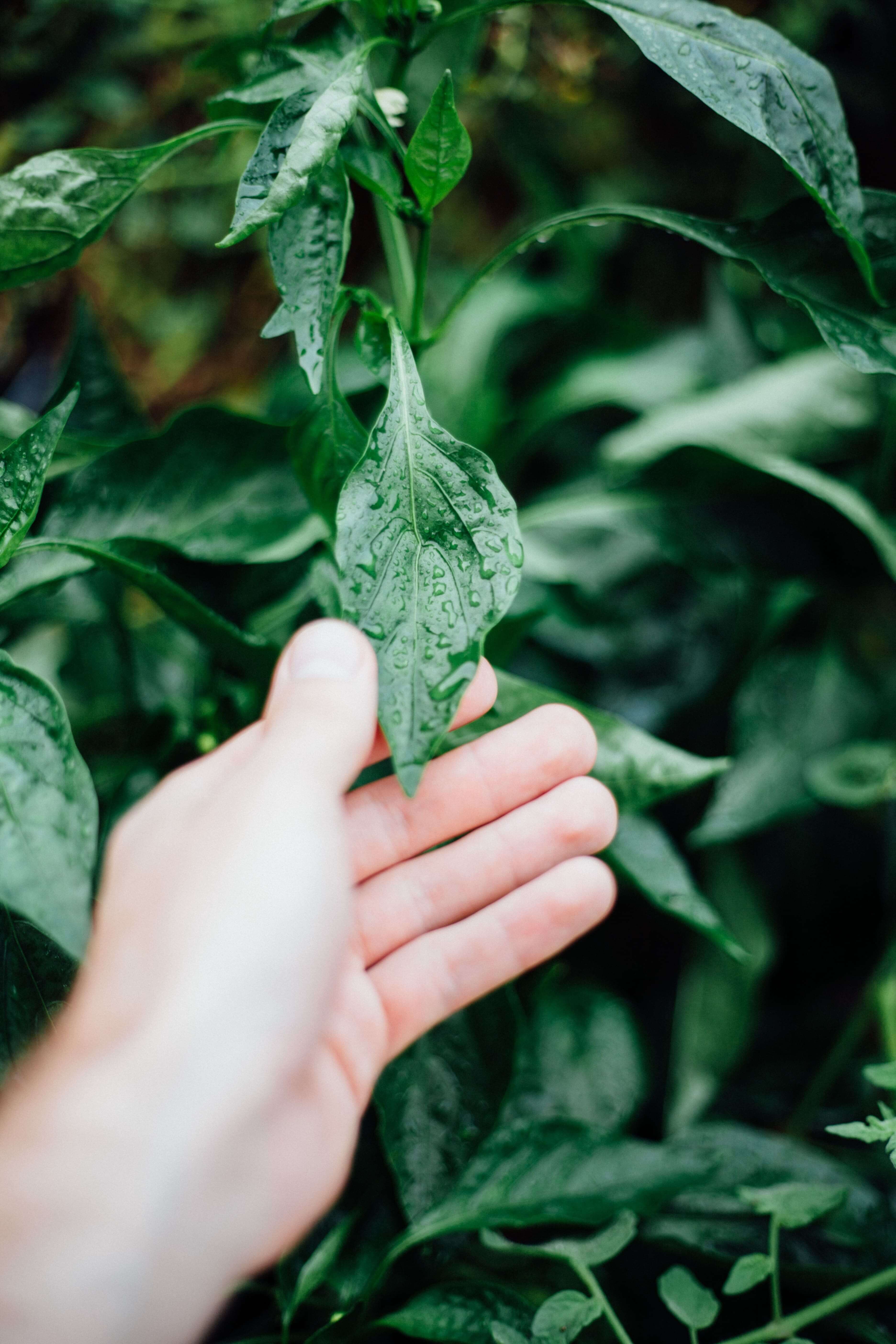
And then I moved in to where I am now—a home with a large backyard and plenty of plants. And for a few days now, I’ve had the responsibility to take care of the garden. From basil and tomatoes and big unknown trees to no-water pot plants, my backyard is now full of luscious greenery. And with the summer looming, and the smoke from bushfires in New South Wales bellowing into Canberra, I’ve grown more responsible and fond of maintaining the greenery.

For the first few days, all was well. I spent 15 minutes every other day, spraying the bushes. Yesterday, however, the hose burst out from the tap when I twisted it on. After about 10 minutes of fiddling with a garden tool, I didn’t know the name of, I gave up and took up the watering can instead. What followed was the most strenuous half hour I’ve had in a while. I did not enjoy watering all those plants with a can.

I had to do something about it.

So I went to the closest supermarket today and scanned the shelves for something that looked like the malfunctioning gadget at home. It was a kind of hose connector. Within five minutes of getting home, clutching the new tool, grinning all over in my head, proud of my achievement, I was showing the plants with more gusto than I ever thought possible.

As I stood there almost dancing in the muddy leaves that clung to my feet like a child to its mother at the school gates, I felt elated. My spirits rose with the sweet smell of warm air evaporating from the wet sand, and I enjoyed every moment if that bliss.

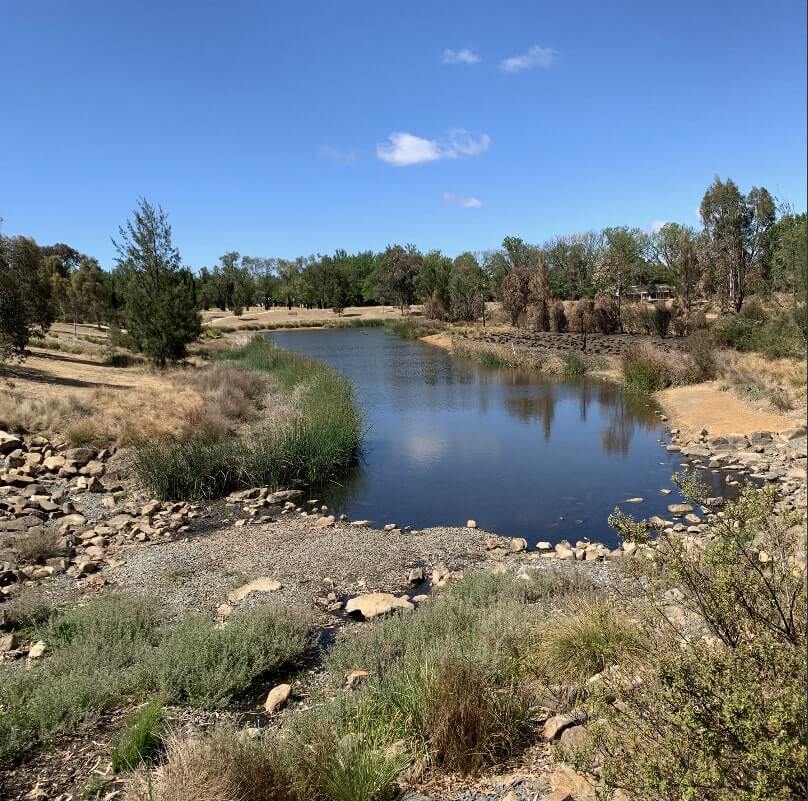
Blast from the past

By the Lake Burley Griffin, in Autumn, Canberra

In captured moments,
yearns human, naturally,
hopes to make time—still.

Swooped. Almost.

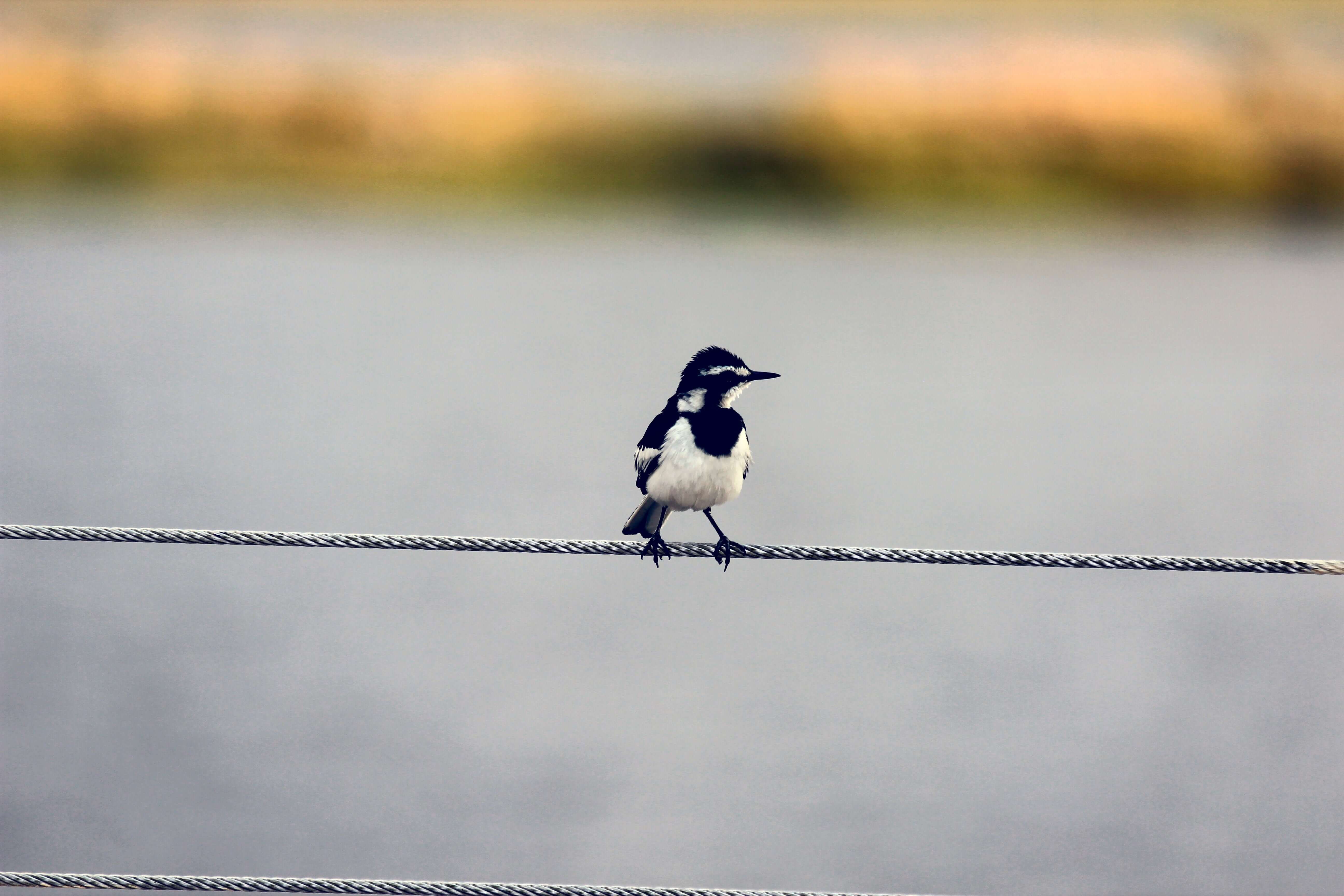
I’ve written about Australian wildlife being wild and at times, aggressive. Magpies swoop down on runners, bicyclists, and pedestrians even potentially leaving in their wake painful holes in heads and a bloody mess. All over the country, crocodiles await adventurous wanderers, kangaroos could become too friendly and shove all their weight on you, and venomous snakes slither into your home, making themselves cosy under your bed or on your toilet.

Even ducks waddle their way up to you wanting to pick a fight.

However, all of this is book knowledge. I’ve heard stories of others’ homes infested with eight-legged monsters, injured pedestrians keeling on footpaths nurturing magpie wounds, and countless other incidents that curdle your blood.

But you never understand it until you experience it yourself.

As I did today. While I jogged down my usual route by the lake, a woman walking a few yards in front of me shrieked. It all happened fast—by the time I realised what had happened, she’d recovered, a man walking behind her had helped her avoid the magpie’s talon. She held what looked like a leather bag that probably shielded her. The two of them quickly walked away while the magpie settled itself on a light pole between me and the path ahead.

I’d stopped jogging, my heart in my mouth. It seemed harmless. It was just a tiny bird sitting on a pole, watching the world beneath it. Nothing about it suggested any hatred towards humankind. And yet, as I watched, a cyclist pedalled his way towards me from the opposite side. As he rode under the pole, the bird screeched, bent its knees, and lifted off towards the bobbing red helmet.

It was ferocious. The cyclist didn’t deter even for a second. He rode onwards, steady, and almost oblivious to the potential death hovering over his head.

In a split second, without thinking, I took off. Seeing as how the bird chased the cyclist going the opposite side, I ran straight ahead, hoping it would be distracted long enough for me to escape.

But of course, nature is smarter than humankind. I ran like Phoebe, and the bird chased after me wailing and sending shards of panic through my entire being. I hadn’t run like that since my relay races in fifth grade.

As the bird’s cries died down, I slowed and stopped. From behind me came huffing noises, and I turned to smile surprisedly at a runner. She looked far more seasoned than I, and she slowed down long enough to add laughingly, “they went for me, too when I came in earlier.” And she went on as if nothing had happened.

For her, and the cyclist, it was just another morning.

Australian wildlife is crazy, but Australians are crazier.


Photo: Joel Herzog on Unsplash.com

Making sense of Mint

When I awoke this morning with nothing to do, I mused at the rarity of it. I always have something to occupy myself with over the weekends. After rummaging Facebook for a while, I concluded that I could either go to a street market, where I knew a few of my friends would be, or take a solo trip to the Royal Australian Mint—something I’d been putting off for a long time because it was just too far away.

The food market sounded fun, but considering I’d probably buy nothing and wander around aimless, I decided to do the wandering at the Mint instead.

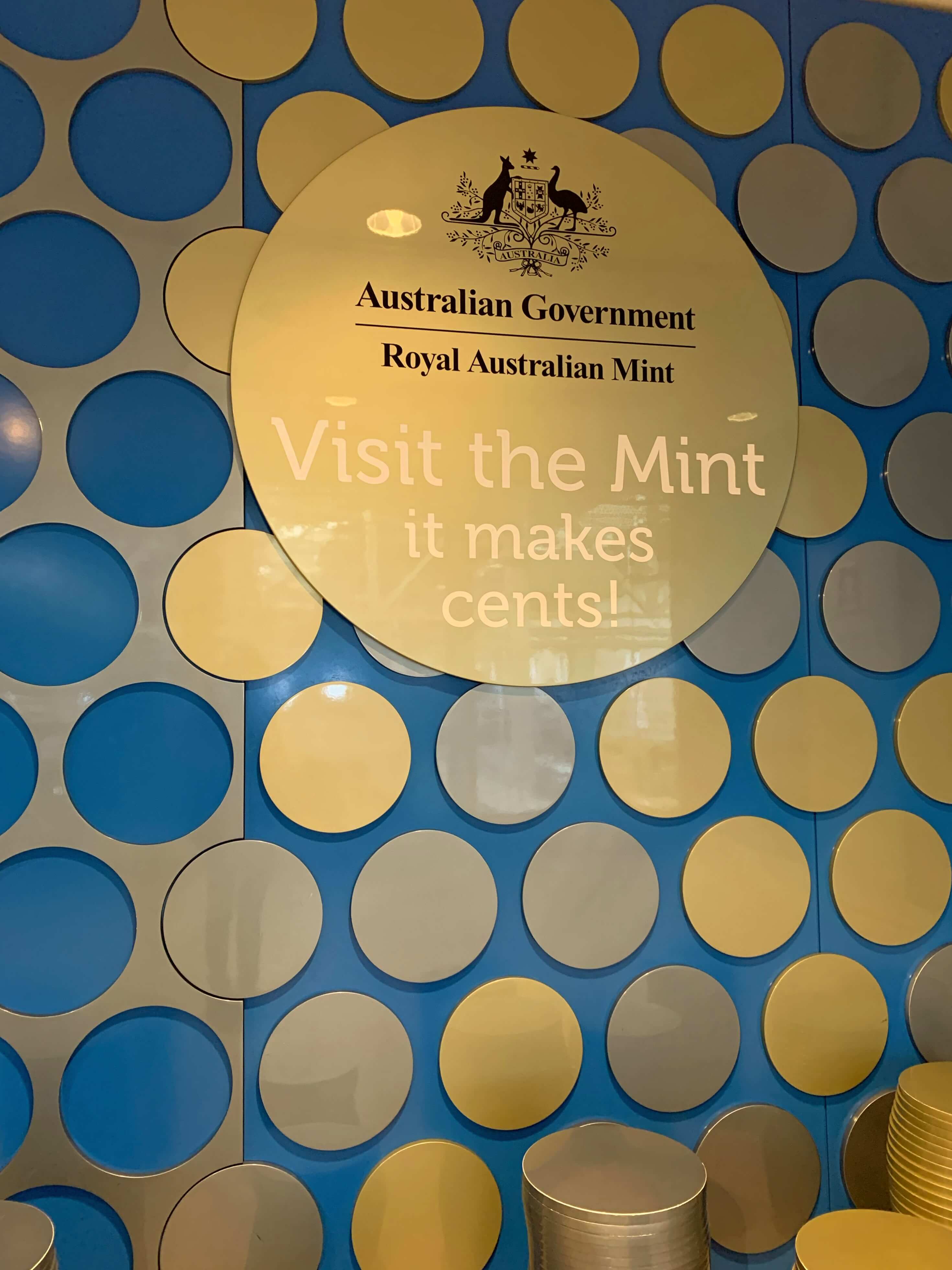
After two buses and about 45 minutes, I entered the building that runs Australia’s coin system. A big pot of gold coins greeted me. Next to it, a staircase led to the upper level and the main exhibition. Stepping upwards, I couldn’t miss the thousands of coins studded into the stairs.

On the upper level, famous Australian bushrangers greeted me in large cutouts. From time to time, the Royal Australian Mint makes comparative coins marking important events and people. This year, they’ve made a unique set of coins to acknowledge and appreciate the contribution of bushrangers to Australian cultures and stories. It was an excellent way to remember history’s villains, most of whom died in captivity.

Moving on, I entered a corridor full of stunning displays. Hundreds of coins marked the timeline of Australia’s currency system, dating way back to the first foreign coins found in shipwrecks. Since some of the first outsiders to arrive in Australia were prisoners and war slaves, most of their currency became the initial seedling for Australia’s current monetary system. These coins gradually replaced the natives’ barter system.

Walking my way down the timeline, I learnt how, from using coins of unknown lands, the country progressed to establishing a proper way to assess the value of these random coins. From there, they moved on to adopting the shilling-and-penny system that Britain was using. As a country, Australia was under the British reign for a long time, and it only made sense to use the same coins. 

Then came the decimal period. From farthings and halfpennies, Australia went to cents and dollars. Displays showed how designers formulate the images and engravings that mark a coin. Looking at the detailing of each drawing, I was amazed to see how most of the coins in current use incorporate unique Australian fauna. There’s more to this country than kangaroos and possums. And sometimes, even though we handle and pass on these coins countless times every day, we don’t often pause to observe. 

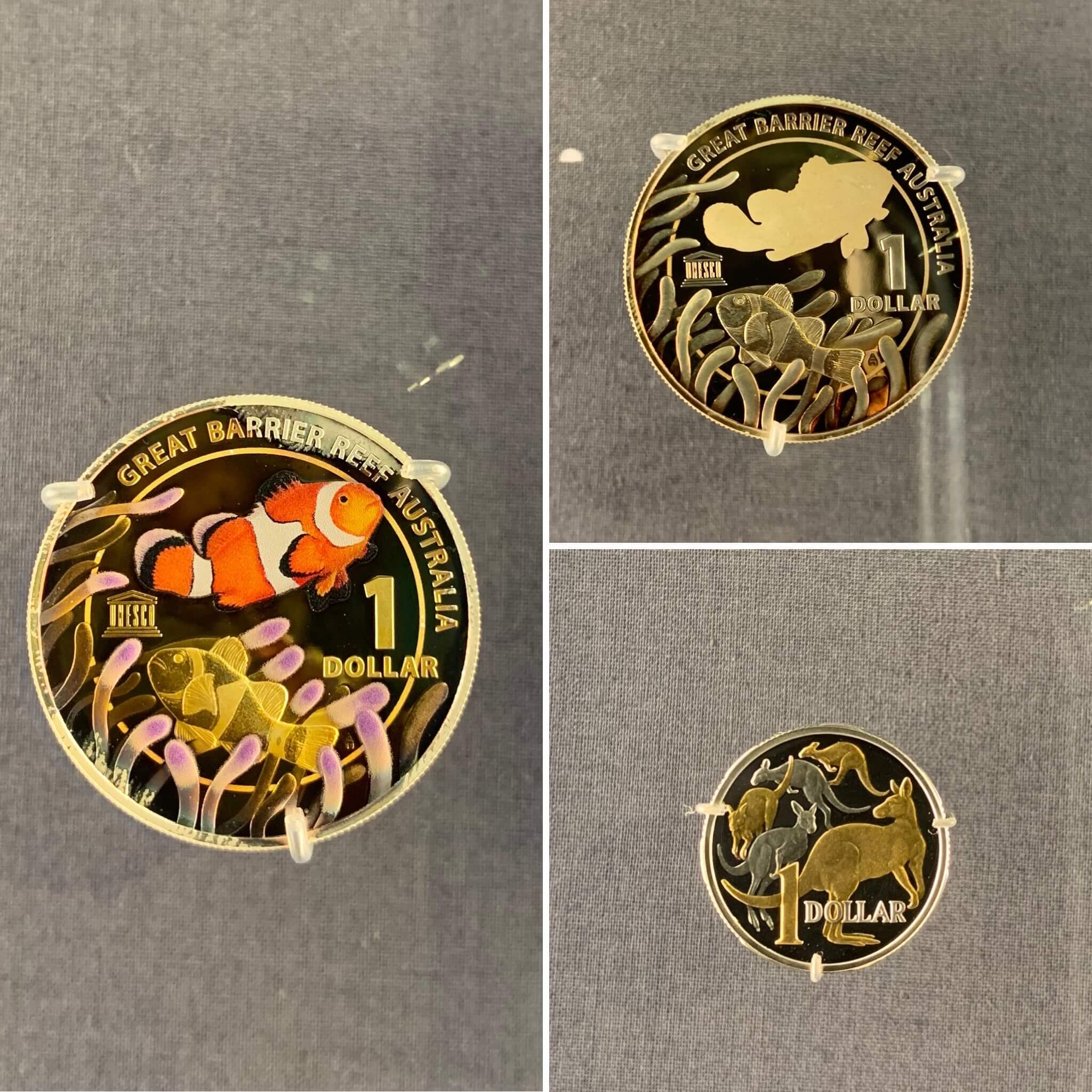
Apart from these coins, the Mint also had displays of other collectible coins and medals that it’s made over the years. There were 1kg coins in both gold ($3000) and silver ($30) marking the Mint’s partnership in the 2016 Olympic games. There were gold, silver, and bronze medals offered to winners at the 2000 Olympic Games in Sydney. Also on display were the medals presented at the 2019 INAS Global Games. And my favourite, three special coins celebrating the Great Barrier Reef.

Great Barrier Reef - collector coins - Royal Australian Mint

It took me about an hour and a half to look and read through all the displays. From the various metal combinations tested for a single coin and the different designs they considered, to the actual robot that helps with heavy lifting and transporting during the minting process, the Royal Australian Mint has so much awe to offer. I’m glad I skipped the markets for this.