
For five years, I lived in Chennai (south India), a city of 4 million. Imagine—that’s more than 10 times the people in Canberra.
I’ve been living in Canberra for about three months now, and the one thing I’m certain is that this green, bushy, mountainous, and lake-laden (words I’d never place alongside in any other scenario) city is small.
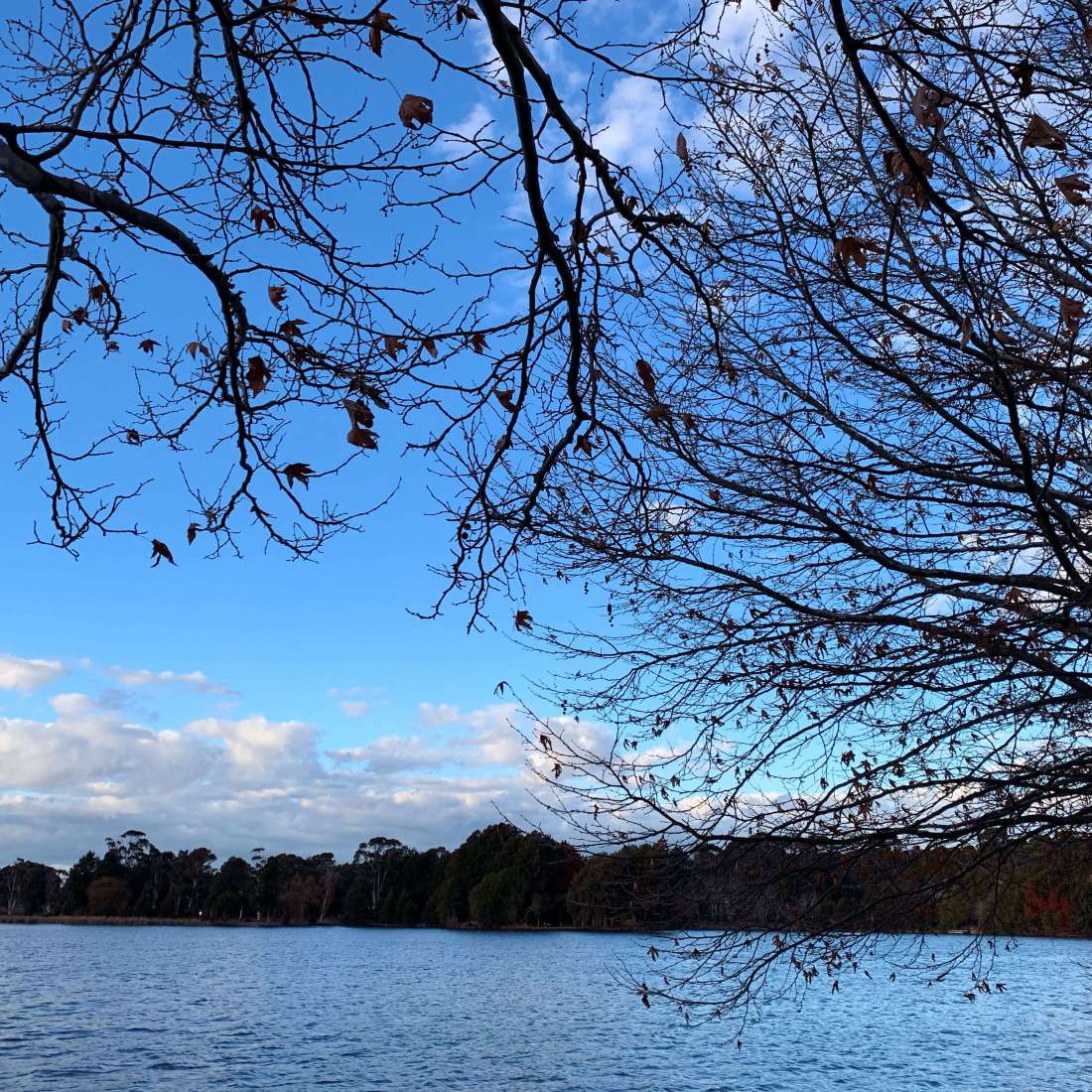
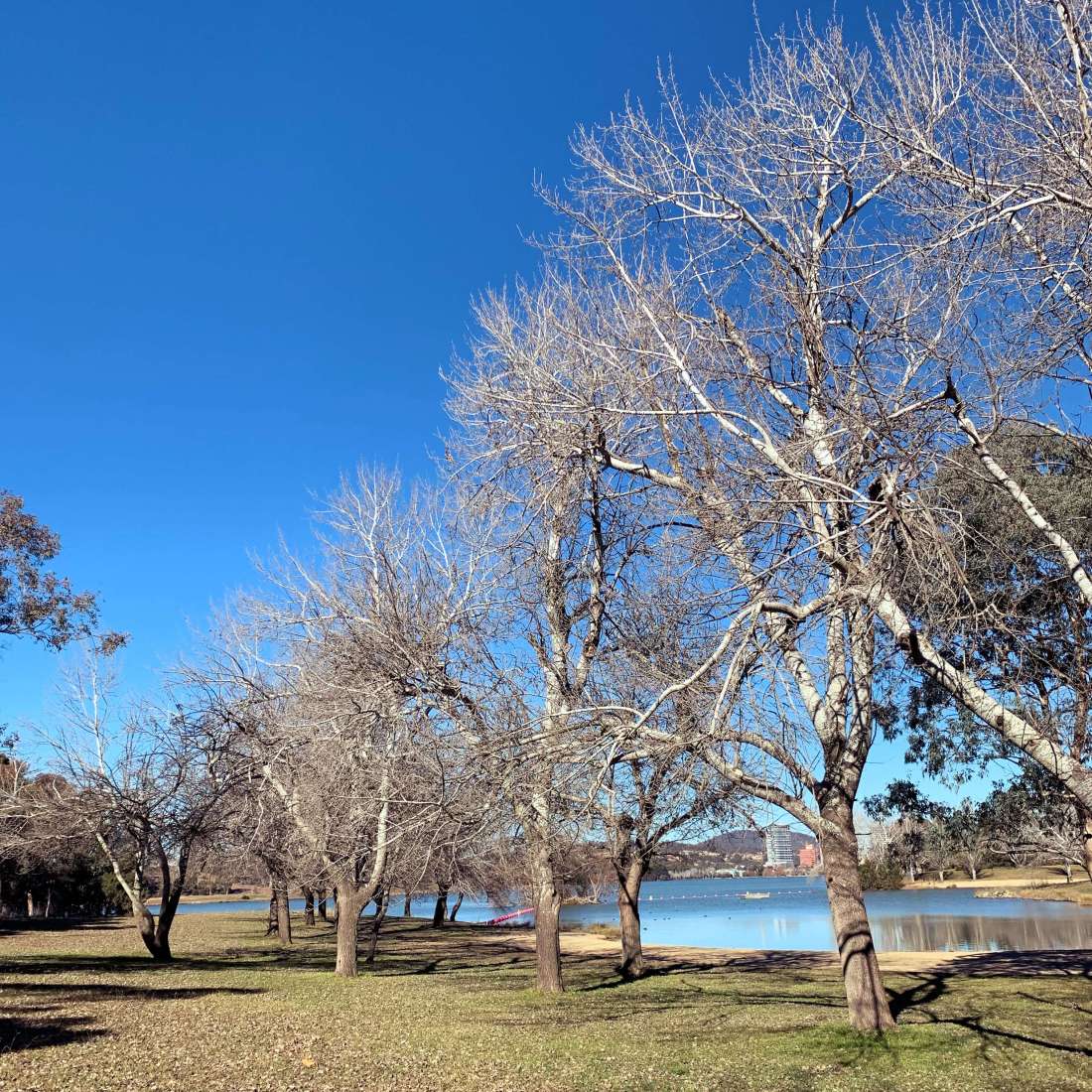
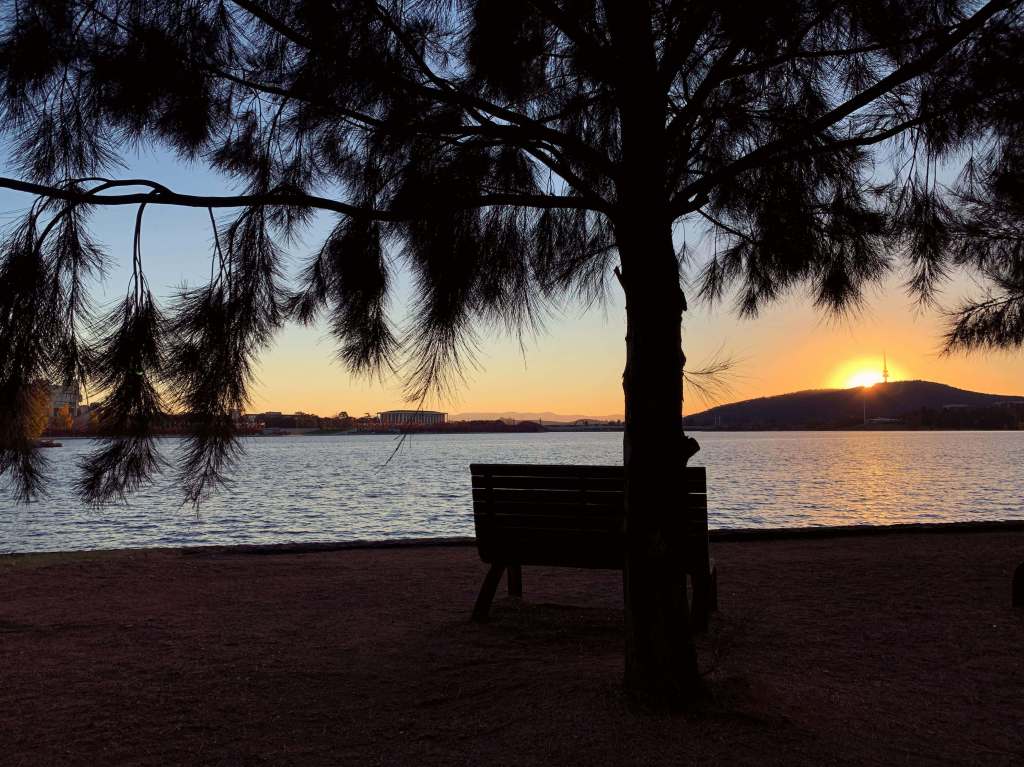
Yet I hear locals musing how fast Canberra’s population seems to be growing. I see it too—much like the ducks and swans, cranes are also an inevitable element of my everyday lake walks—expectable like the sunset. Commercial names are popping up all over residential areas, and corporates are fighting over who gets to build the tallest building and how to overcome challenges of the already-manifested leaks and rat-infested homes.
But—
I hadn’t heard of Canberra until about two-and-a-half years ago. That’s when I started planning for migration. My friends and colleagues know it now because I’m here, but they still think of it as a quaint, rather mysterious town far away from anything remotely familiar.
And aside from the clever kids who won general knowledge quizzes in school, most of the world believes Sydney’s the capital, Melbourne the corporate centre, and Queensland the Miami Down Under. Like the Tassie tigger, the remainder of this vast pool of sand is lost to the world.
Canberra is to Australia what Australia is to the rest of the world.
At least from what I observe. People come here on school trips, visiting the national museums, the parliament, the war memorial. It’s where national policies are concocted. Apart from that, Canberra’s small and boring for most people. It’s got no late life, no night lights, and not much life at all. Winters are horrible, summer’s terrible, and the average day is as bland as saltless porridge. The average person is an adulting public service worker—pointed black shoes, black trousers or skirt, shirt tucked in, and a jacked pulled over. It’s like looking at a well-directed tele series depicting the non-existent social lives of political members. They go to work, attend official meetings and gatherings, and return home to a cozy white villa, with clean-cut apple rings in the fridge, A-grade children, and a stony watchman guarding the house 24/7.
So contradictory, if you think about it. How is such a self-contained community attracting so much construction—who’s coming to Canberra? And why?
I may have found a clue.
I dread pitching the “is this vegan?” question at any place with food, because of the weird looks that accompany it. And so I’ve always avoided such situations. However, in the last month, I’ve tried to go out more—to food festivals, poetry readings, casual meetings in bars.
I wanted to meet people—the real Canberrans behind the bushy facade that most others see.
And I’m amazed every day.
So far, I’ve come across scientists who write poetry, writers who dance, dancers who sing, chemists who write songs, psychologists who study bartending, bartenders who are professors, and most recently—a full-time employee who makes fudge over the weekends—just for the hell of it (and partners with wineries to launch their vintages).
Canberra is like the secret life of adulthood. Micro breweries, cafés, bakeries, and shops support and welcome quirky hobbyists. Hundreds of small, family-owned businesses thrive here.
It seems like more and more people come here for something beyond 9-to-5 weekdays and weekend hangovers. This is a place to explore a world of opportunities. And I’m excited to be part of it.

 The Chaos Within