A thing of the past
before work got in the way
weekend getaways
All the world’s a stage
And all the men and women corporate players
They have their exits and their entrances
And one copywriter in their time plays many parts,
Their acts being many stages. At first, landing page writer,
Whining and sucking up to search engine’s demands.
Then the musing copywriter, with a wonder
And unsure morning face, creeping like snail
battling the block. And then the reviewer,
Sighing like furnace, with a woeful look
of enduring unendearing copy. Then a soldier,
The editor—full of strange rules, wired like a DJ,
Unperturbed, irritable, excited all in quick succession,
Seeking the bubble reputation
Even in the manager’s good books. And then a senior,
In fair round belly with experience underneath,
With eyes bloodshot trying shoes of formal cut,
Full of wise wit and modern puns;
And so they play their part. The sixth age shifts
Into the lean and pushback chair,
With spectacles on nose and munchies on side;
The youthful curiosity well satisfied, in a world growing
bigger than ad copy, evolving into testing,
Turning toward marketing, managing social
media and listening. Last scene of all,
That topples this strange eventful history,
Is second copywriting and mere simplicity,
Sans typos, sans click-baits, sans vanity metrics—well, almost.
It’s been almost five years since I started working as a copywriter. And during that period, I’ve had to play many different roles within my team. I was wondering how a copywriter is also a content marketer, a social media manager, advertising writer, script writer, technical writer, creative writer, and so much more, when I remembered one of my all-time favourite poems. The connection seemed only too obvious.
“Large. Extra frothy almond milk with cocoa, cinnamon, and brown sugar.”
It wasn’t the first time that Ben bought, and Jenny handed him his boss’s beverage. In her four years as barista, countless Bens had rushed in with profuse requests.
As the afternoon rolled in, their bosses called them aside.
“What’s up?”
“You need to work harder. Unless you show some real progress, I may have to cut down on your pay.”
She’d missed her break, and he his. It wasn’t new—they’d skip meals just to ensure others didn’t. And they knew better than to slight each other’s work.
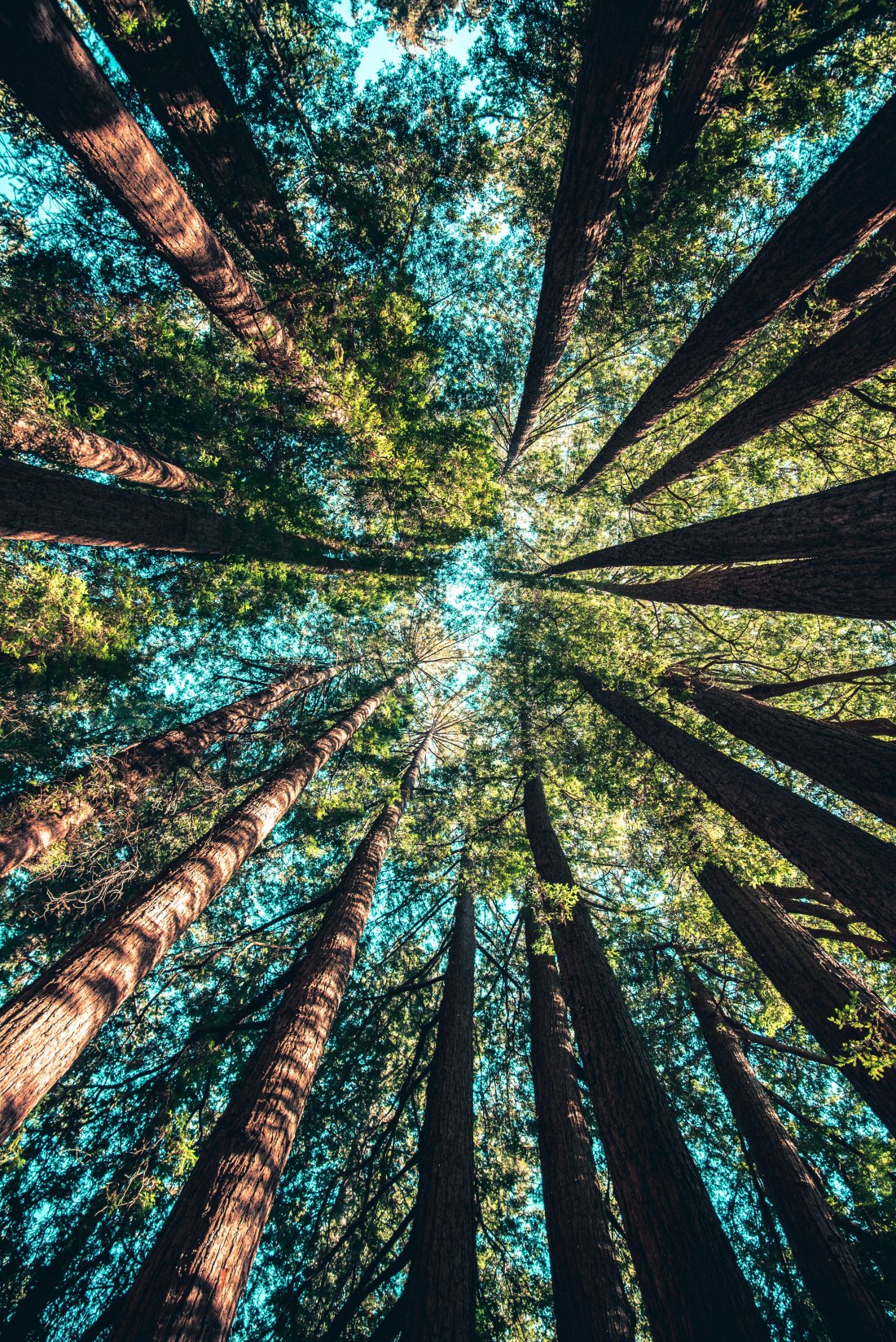
Intense density pressed upon her face. From the clearing she stood at, she saw towering barks rise overhead. As she sat on a cold stone bench, she observed walkers and bikers disappear into clusters of thickets that surrounded her. Afraid of getting lost in the wilderness, she remained put, hoping her colleagues would rescue her.
She’d made a huge mistake going off alone on the first day of work. This new life had overwhelmed the simple country girl that she was. In her search for fresh air, she’d found herself, instead, in a forest of buildings.
IT parks were unfamiliar.
When I asked myself that question, I had no answer. Sure, I’d shown cheek a lot of times, but nothing came close to being badass.
I define badass as being unapologetic in who you are. Unwitting, to an extent, but also uncaring of what others think of you and perceive your actions. Being badass is speaking your mind, showing emotions when emotional, and voicing every bit of doubt without worrying about offending or hurting anyone. And—most important—doing all that without coming off as arrogant.
In other words, kids are badass.
We all love kids. It’s not because they’re tiny and make us wish we were young again. It’s because of who they are. They don’t care about anything or anyone. They don’t worry about the consequences of being their own selves. Whether they’re hungry, angry, or sad, they show their emotions right away. They push, they pull, and they even make us pull our own hair apart, but at the end of they day we still love them. The reason? They don’t pretend to be someone they’re not. They show their true colours, in all its good, bad, and unbearable shades. And that’s what makes them so likeable. They are true influencers in a way. They get what they want without being rude, arrogant, and asshole-like.
Sure, kids are adamant at times, and almost scary when on tantrums. But they learn soon enough that frown-face doesn’t work as a smile does.
We learn that as kids. But forget as adults.
We grown ups are too conscious of our selves to be bold enough to speak our thoughts. We don’t want to look like a vulnerable school child. And that’s why we lose so much.
We’ve become so invested in preserving our image—the image we set for ourselves, the brand we try so hard to up hold. As a result, we’ve lost our lighter side. We see people in full suits, clean hair dos, and prim postures who wouldn’t dare put a toe out of line because it would wreck their reputation.
Afraid of losing face, of looking like a failure, we become rigid instead. We stick to what we know, ingrained in inertia, and force others to do as we say. While kids smile and declare their minds, we smirk and demand action. Like the boss.
But we don’t have to be that way. We can still still be ourselves without being childish. By being casual and light hearted, we become more approachable individuals. By flaunting our humanness, we become easy to talk to. And influential. We can be badass without being forceful.