
Through the gates of hell
goes every mom in labour
gateway to heaven
Through the gates of hell
goes every mom in labour
gateway to heaven
What do you do when you’re snuggled in a comfortable seat with unlimited movies and a hearty prepackaged meal on your hands?
Well, I decided to order some wine and start binging, because for the next 13 hours, I had nothing else to do but wait for my flight to touch down in San Francisco.
I was travelling from Sydney for a work event and I couldn’t have asked for a better meal or hospitality. Unlike most people’s claims, I’ve always thought airplane food quite good. Despite being a picky vegan, I’ve managed to find the meals palatable and enjoyable.
So of course I was going to complement it with wine. A white sauvignon blanc, please, I asked. And with a wide smile, the cabin staff member handed me a two-serve bottle of wine. Settling myself in a more comfortable position, I glanced at the label as I always did.
“Made with the aid of egg whites and traces may remain.”
My heart stopped in mid air. Egg whites in wine? Wasn’t that illegal? Why would anyone combine grape juice with eggs? What abomination?
Questions bombarded my already heavy head. Everything I knew and loved about wine came to a sudden halt and I started questioning my entire affliction to the grape nectar. I started searching my brain for any information I’d heard or read of that justified or even explained the use of dairy in winemaking. Alas, not even my memories of winery visits and tastings revealed anything to shed light on this phenomenon.
I waited for what seemed like an eternity for the cabin member to pass my seat again. I returned the unopened white and asked for a red instead—a syrah, this time. With another, judgement sans smile, he handed me a bottle, twisting the cap open as if to indicate I couldn’t change my mind anymore.
“Made with the aid of egg whites and milk and traces may remain.”
I drank the wine. I was having bad headache and it wasn’t the time to research or argue with the flight crew about my dietary preferences in alcohol. In a moment of deep sadness, guilt, and weakness, I drowned the wine and slept like a baby for the next 12 hours.
Three days later, still battling jet lag, I looked it up online. According to some articles, winemakers use egg whites, milk, and even fish bones to help separate the natural sediments in wine. Grape starches, peels, and other natural and goopy stuff that occur during the ageing process stick to these dairy products and sink to the bottom of the barrel. This makes it easier for winemakers to filter those sediments from the wine that goes into bottling. The entire process is called fining—refining the wine from the undesirable lumpiness of the residue from crushed grapes.
So there we have it—although the eggs and milk don’t leave any trace in the actual wine that goes into our bottles and glasses, dairy is an ancient part of the wine process.
What’s interesting though, is that most modern winemakers have found vegetarian alternatives like seaweed and volcanic clay for their fining processes. And when they use dairy, they say so in their labels—it’s even required by law in Australia and New Zealand.
Ha. And I used to think “vegan wines” was just a modern marketing stunt!
I’m not what you’d call a frequent flyer, but I’ve had a decent share of airport walks and reconstituted airline oxygen. And I’m no stranger to weird neighbours, pesky kids, and smelly socks.
Remember when the person seated behind you jabbed their TV monitor so hard that it disrupted your sleep?
I do.
Or when the person next to you is watching such an inappropriate movie that you want to curl up and look away?
Yes.
Well, these are the little things that create big impacts. That’s why I loved what I saw on my recent Alaska Air flight.

And of all the airlines I’ve travelled on, Alaska Air stands a class apart. And it’s not just because some of their domestic flights offer complimentary beer. They prioritise passenger comfort—even their crew uniforms are casual and comfortable.
The first time I only booked on Alaska, it was because the other budget airline I was leaning towards increased prices just before I purchased. I had to forego my preference at the last minute and settle for Alaska. But hey—free Biscoff and beer—what a lucky scenario!
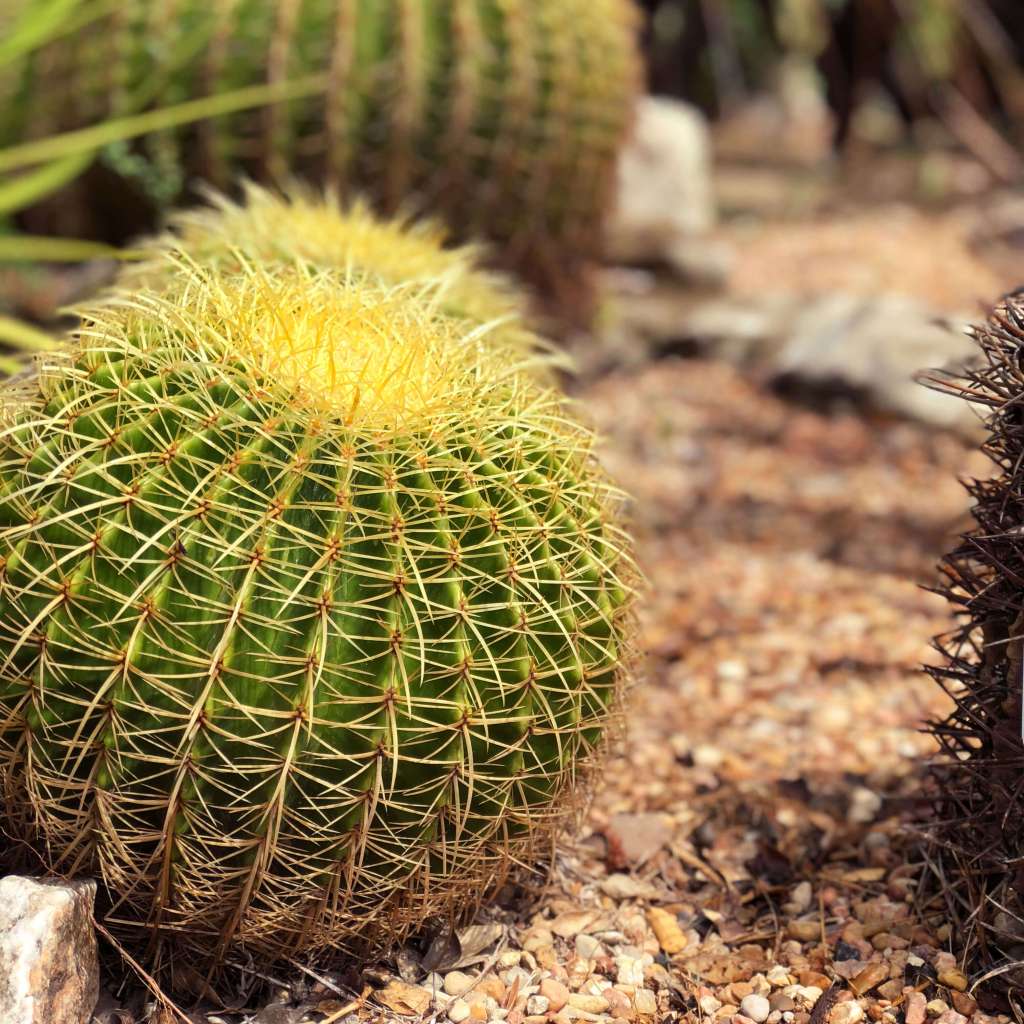
I’ve been following Becky and her Squares photo challenge for a while now, and decided to jump in this time.
The rule: Photos must be square
Theme for March: Spikes
Although I hate it, I’m a workaholic. I have trouble letting go of work even after official working hours. It’s got a lot to do with not having fixed times or shift times. I’m used to seeing colleagues show up at work after noon and leave at midnight or arrive at 8 and leave at 4.
I’ve done it plenty of times myself. Sometimes I stay up late watching a movie, cleaning my room, or chatting with my roommates, oversleeping the next morning. Come to think of it, some of the stringent time rules in many workplaces are insignificant since they don’t consider the frivolousness of human nature.
Or that’s what I used to think.
I love having flexible work times—after all, isn’t that why everyone wants to be a freelancer? People think freelancing is the ideal way of life—PJs, late night snacking, mid morning brunches, and still damn good money. Alas, I now know that that’s just a stereotype the internet has inflicted upon us. Nothing about freelancing, or working flexible hours, is any more fun than working regular hours.
It took me over five years to realise this.
A few weeks ago, I was at work lounging—it was rather a quiet and uneventful day. I’d finished most of my tasks for the week and had plenty of time to kill. I’d been working so hard the couple of months leading to that day that I felt a gaping emptiness when I didn’t have anything to occupy myself. And so I succumbed to the YouTube temptation, watching a documentary about the Great Barrier Reef in the North Eastern coast of Australia.
It’s a three-part documentary, each running about an hour. And as I watched the camera pan across the ocean waters, and heard the narrator’s voice ring through my headphones, I realised how ignorant I’ve been about the world’s most gorgeous and vast spread of natural phenomenon. I had no idea it stretches over 1400 miles. Or that there’re 900 islands spread through the Reef, or that the Reef wasn’t formed until 10000 years ago—or that almost 40 percent of it is destroyed already.
Sure, I knew the Great Barrier Reef was a natural treasure undergoing an unnatural devastation, but that was the extent of my knowledge. I never had the time in my life to watch documentaries or read articles online about the world that surrounded my immediate office and work.
In a moment of shame and disgust, I understood how blinded I’d been by my work routine. I’d awake, exercise, go to work, return, and engage on social media before going to sleep. I read during the weekends and every other chance I get, but that’s limited to fiction, online articles, or general nonfiction. I’ve never spent time appreciating the magnitude of the world’s events outside of the realm of my work. I’ve been so obsessed with meeting my personal requirements that I’ve been missing the finer aspects of life—like widening my eyes in wonder at a coral reef, or experiencing the joy in my mother’s voice when I make time to chat with her.
I spent the last couple of weeks with my parents, and I made conscious efforts to indulge myself less in office work and more in my surroundings. And it’s served me well too. Now that office work doesn’t dictate my day, I’m noticing small things about work that don’t matter as much as I’d thought. Little delays or mistakes that would’ve upset me earlier don’t anymore. After all, there’s a lot more to life than the pay check.

