“The thrill of the chase, the blood pumping through your veins…”
There’s thrill, sure. And blood pumping through my veins. But there’s no chase. At least not the kind Sherlock meant. I’m chasing time instead.
Let’s start over.
We’re planning a trip to one of my favourite parts of India: Kerala. And I can’t sleep thinking about what to do, what to eat, and how to make it more than just another holiday.
There’s so much joy and excitement in planning for a trip. I’ve never fancied myself as a person sticking to plans and schedules. I like to just go with the flow. But that doesn’t mean I don’t enjoy making plans.
Every morning when I pick out the day’s clothes, my eyes land on that one pair of jeans, or that shirt that would be great to wear on the trip. Or when I’m munching on a new flavour of fries, I make a mental note to buy it for the ride. “Ma would enjoy it,” I’d tell myself. I browse through cakes online to get “an idea” of the kind of cake we should order.
I take a virtual tour of the route we would take, look for decent rest stops, snack shops, sweet stalls, and memento stores. I zoom in and “search nearby” on Google maps, looking for fancy restaurants and coffee shops.
I go on trip planning sites to read through reviews of speciality food, and I scroll through menus and imagine myself ordering steamed fish and savouring how well it goes with the fried rice.
And I plan my work around my trip. I’ve become extra productive this week, so I could be at peace when I leave. I beg my colleagues to finish tasks soon because I wouldn’t be at work to check them out next week. I’ll go around bragging to every tea lover that I’m off to holiday amidst tea estates.
And all the while, I pretend like I don’t even have a plan. But every night, as I twist and turn in bed, sleepless, I’m glad I’m a day closer to the trip.
I was fourteen then. Everything that caught my eye caught my mind. Life was school. And school was a routine bore, with a few interesting classes thrown in at times. My text books and note books were all just calculations, corrections made in red ink, and the occasional green signature.
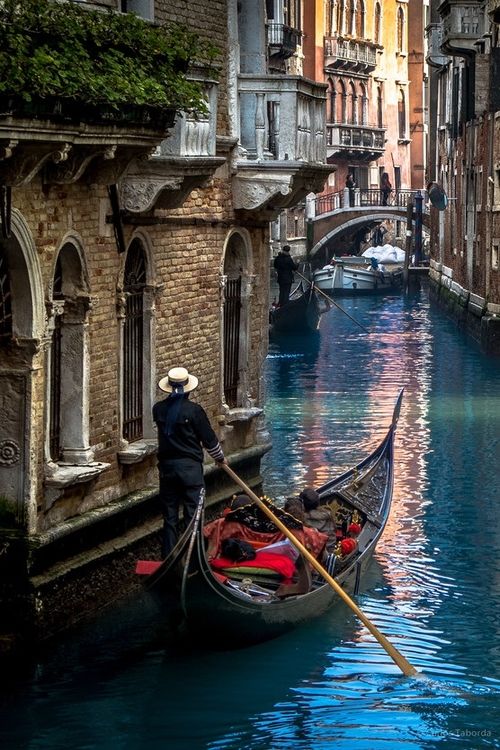
It was yet another day, yet another class, with yet another teacher asking us to turn to page three hundred and ninety-four. The faint Harry Potter reference was all the entertainment we had. That was until I saw the picture in that page. It was an English class and for reasons still bewildering, the lesson was about gondolas.
Venitian majesticity
For some odd reason, I thought of orangutans. Perhaps it was the sound of the two words, or the colour of the picture facing me. Nevertheless, when I took in the word, gondola, I could only imagine an extra-large orangutan crouching itself inside a deep brown boat staring at the camera, and at me.
It took me a while to erase that image from my mind and look at the topic of discussion: Venice.
That’s how I fell in love with gondolas.
Now that I think of it, I don’t even remember the contents of that lesson. Except that it spoke of the no street Venice and the gondolas people used for transport. The idea fascinated me. I was never a fan of the Indian roadway system. Somehow it always makes me regret my food choices.
But this, this was genius. Travelling through the city in boats. I could picture the beauty of it, the environmental awareness in such a system. This was a time when global warming and pollution were so huge that they were essay topics for school students. Here was a city that boycotted them all. And I wanted to experience it, despite my aversion to all water bodies — I had taken swimming lessons for three years before my mother realised I wouldn’t do anything more than holding on to the edge of the pool with my head high above the water.
Staring at that pixellated picture of the gondola and the people in it, I realised I wanted to go to Venice. Just to ride around the city in a gondola.
For about three to five years after that, I didn’t think about Venice at all. It had become one of those school-days’ fantasy that people only cherish when they grow too old to pull themselves off their armchairs.
But one day, I thought back to the tingling sensation I had felt when I saw that picture in my text-book.
Craving for more, and clearer photos, I went looking for Venice and gondolas in Pinterest. The next thing I knew, I had created a board to collect all the beautiful Venice photos I could find. I still don’t know what good that would do, but that’s how love works: you never know why.
So Venice is my ideal destination. I’ve spent a lot of waking hours and much more sleeping hours wondering how I’d go to Venice. Or if I’d go at all. It didn’t take long for me to realise, going to Venice was no big deal. At least the dreaming part of it wasn’t.
I’d go alone. Because I haven’t found that one person who’s worth going with, and I don’t want to wait if I could go instead.
When? Tomorrow if possible, but this is just a plan so I’d leave the “when” to availability of flights and possibility of cash.
Where? Venice, of course. Perhaps once I’ve seen enough of Venice, I’d go somewhere else, but I’m not the kind to draw out detailed itineraries. I’d go where my gut takes me.
However, I’d like to make a stop in Bulgaria and Croatia on the way. I have no idea what’s best in either countries, but people don’t talk much about them, and I’d take that as a sign these countries need more travellers.
Oh, and since I’m already landing on Italian soil, I might as well pay a visit to the Colosseum, make a tribute to Madame Nightingale’s birthplace, and say hello to a few models in Milan. And once I’m done mingling with the tourists, I’d traverse away to some of the less known parts of Italy. Grab a pizza at Crotone, maybe, and spend a day watching Friends.
And then, when I’m ready to come back, I’d go back to Venice again, thank the gondoliers for a few more rides, and return with memories worth bragging about.
PS — This post is for a promotion campaign by yatra.com.
You know you don’t belong when you have nothing to say. You know you don’t belong when you have no reason to stay.
I have nothing to say.
People around me talk about what that one person told the other person, who that dark haired girl slapped, who followed her home, and about who’s in whose friend zone.
While I stare at my phone, scrolling through fancy footwear without the slightest intention of buying.
But I have a reason to stay. I’m a part of society that won’t let you live unless you endure. So I endure. Though I censure.
I hear a friend talk about her trip around the world, and my insides burn with a yearning I can’t bear. I am happy for her, yet jealousy creeps through my veins, for me. It’s torture to listen to someone else’s stories when all you want is to go yourself.
That’s when I realised: I don’t belong. And I have no reason to stay.
Except, a poor bank balance.
It’s a vicious circle of self-hatred. Which results in posts like these.
It took me over a week to note that in writing, but I think June is the best month of the year. I know some bloggers do a month-to-month post about the month itself, but I’m not one of them. I just happen to like June better than any other month.
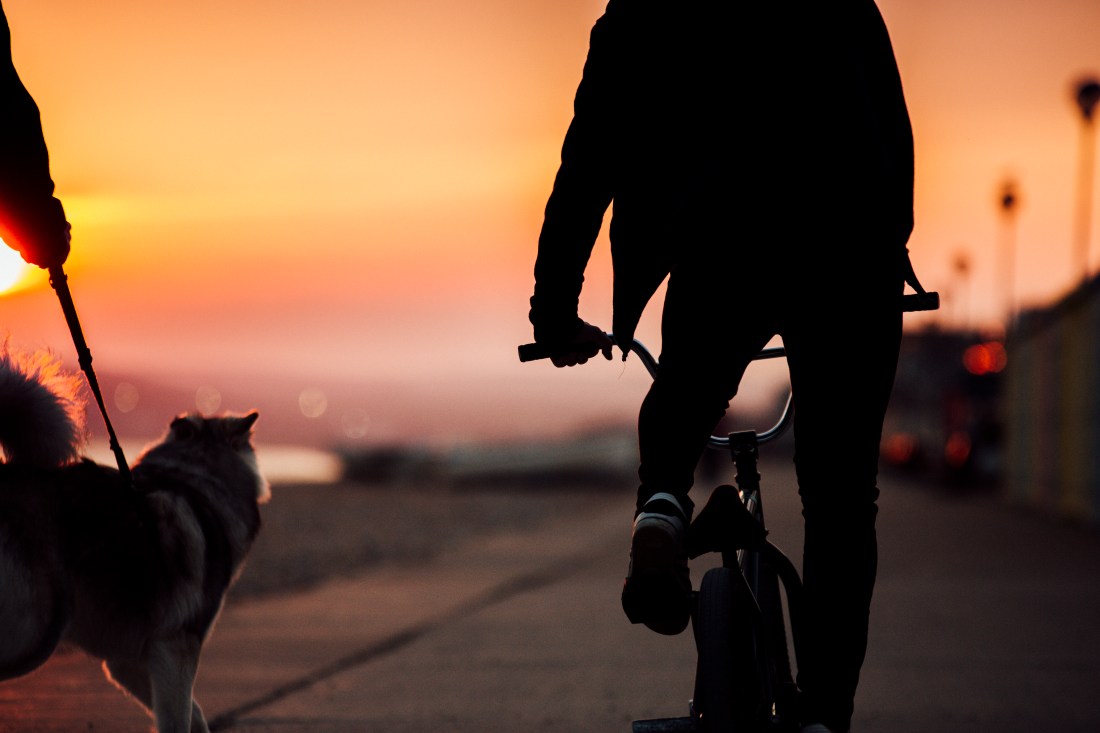
It’s no surprise why: just look out the window. It’s been an awful summer, and it’s so good to plunge into the smooth breeze after the scorching heat. June is the only month when people are happy to leave the house in the morning or ride a bike in the park after sun down. It’s the month in between the mangoes and the monsoons. It’s neither this nor that, but it’s got the best of both seasons.
It feels great to wake every morning without your t-shirt clinging to your perspiring back. Or to not want to sit inside the refrigerator all day. It’s liberating, in a whole new sense, to step out of the house without drenching yourself in an “ice-cool” talcum powder that never works as well as they do in commercials.
What’s better than June weather? It’s cool in the morning, it’s cool in the evening, and it’s cool at night. The sun comes up when he wants to and smiles all day long. And all of a sudden, is something goes amiss, it rains. With no warning at all, just like in life. And then we’re smiling again, and staying up a little late.
Even the sun resonates with us this month. So much so that the sun has his heads in the clouds, while we have ours in the iCloud. Ain’t it wonderful to walk all day with the clouds looking over us?
I like July too, but that’s another month altogether.

 Every morning when I pick out the day’s clothes, my eyes land on that one pair of jeans, or that shirt that would be great to wear on the trip. Or when I’m munching on a new flavour of fries, I make a mental note to buy it for the ride. “Ma would enjoy it,” I’d tell myself. I browse through cakes online to get “an idea” of the kind of cake we should order.