Set me Free

Salvatore Striano quote from Set me Free

I haven’t met a Shakespeare fan I didn’t like. 

Dreamy fierceness oozes from his words like a tube of toothpaste, and make readers stick like mosquitoes on an oil plate.

And when two mosquitoes meet on oil plate, what else would they share than their love for wit that landed them there in the first place? 

It was with that curiosity that I picked up Set me Free by Salvatore Striano. The title itself wasn’t any different from the thousands that line the library aisle. It was the sub headline of the book that forced my feet to retreat and my hand to reach out: The story of how Shakespeare saved a life.

At that moment, I knew I had to read it.

Life got in the way, many times, slowing down my progress. And yet, I persisted—the deadline loomed and I didn’t want to be that person who extends a library book because they were too busy not reading.

I read in the bus, I read walking around the lake, I read in bed at night sipping black coffee.

This tale come from behind bars. It’s the story of a high-security, long-sentence serving prisoner in Italy. The narrator, Sasà—the prisoner himself—tells how he’s been a frequent visitor to jails since he was seven, walking us through various parts of his life leading up to the present. And all the while, he explains the realities of prison life, the solitude and hopelessness that hugs the air, and the spite that separates groups.

What’s Shakespeare doing in a place like this?

Saving souls, of course.

The narrator goes on to illustrate how one accidental play they put on opened the vault to an under-appreciated realm of sonnets and theatre. He reads Shakespeare, and with every play he finishes, Sasà feels himself glow and grow as a person. And in the end, the book closes with a hint of how even inside prison, lessons from good literature change and free people of their darkest despairs.

It’s a well-told short book.

However, at many instances while reading this book, I felt a tinge of irritation scratch the surface of my patience. For there are pages in the book that function, not as part of the story, but as the author’s opinion and observation of The Tempest. I scoffed, remembering CliffNotes. The narrator does this a lot—there’re chunks of references, poetic verses, and lengthy explanations of how and why Prospero forgives his enemies in the end. Sasà even argues with a fellow prisoner, who plays Prospero, for doing the character injustice.

As I read on, though, my annoyance melted. I grew intrigued at the narrator. For he’d internalised Shakespearean characters so much that he began identifying their real-world counterparts.

As readers, we see the plays help him discover his feelings towards the people in his life. His wife was like Miranda—loyal and pure. An older cellmate, a mentor and guide was Prospero—a father-like figure in jail. And he, the narrator, himself was Ariel. It becomes more than a role in a play, and we see how Sasà lets Ariel and other Shakespearean characters influence his own behaviour. Like an earthworm tossing out the dirt to let a breath of fresh air down the ground, these fictional men wade in and out of Sasà’s consciousness, picking out hatred and sadness, and replacing them with gardening, writing, and composure.

This is a small book. With a big takeaway. 

The more I recall incidents in the book, the more I understand the impact of these plays on the narrator. From being a thief, drugger, and gangster, he emerges as a poet, and a rather philosophical actor.

This is a good book. Give it a read.

Calling home

“What else?” She asks.
For the second time today.

The first time, 
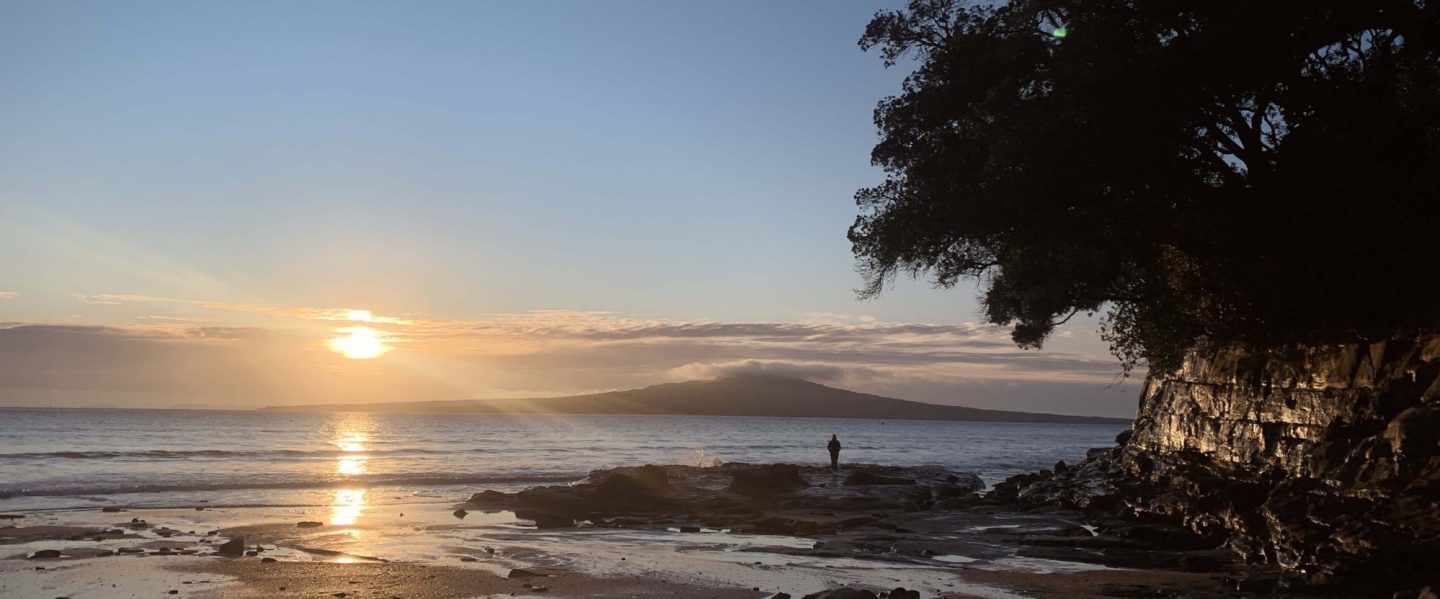
I’d stood by the window
basking, in the stream
shooting from the horizon.
Full in my face,
filling untinted glasses
with blinding brightness
and warmth.

Like a steam towel on an airplane
soothing, it sat on my eyes,
closed, I’d surrendered
just a little longer…
almost forgetting
mother’s “what else?”
I’d jerked at her shakiness
“Hmm… Nothing else, ma.”

Clicking off,
promising another call
in eight hours.

As a pebble in a stream,
tumbling, tumulting at tasks 
delayed progress
time flew in my world—
froze in hers.
As empty picture frame, 
life hung around.
Hollow in the middle, 
nothingness spread wide,
countable greys now blacks
once page-flipping fingers
frayed, shiver at a touch
shrill soccer mum’s throat
now trill in weak trebles.

“What else?” she asks me.
Stumped, “How’s the weather ma?”
I repeat.

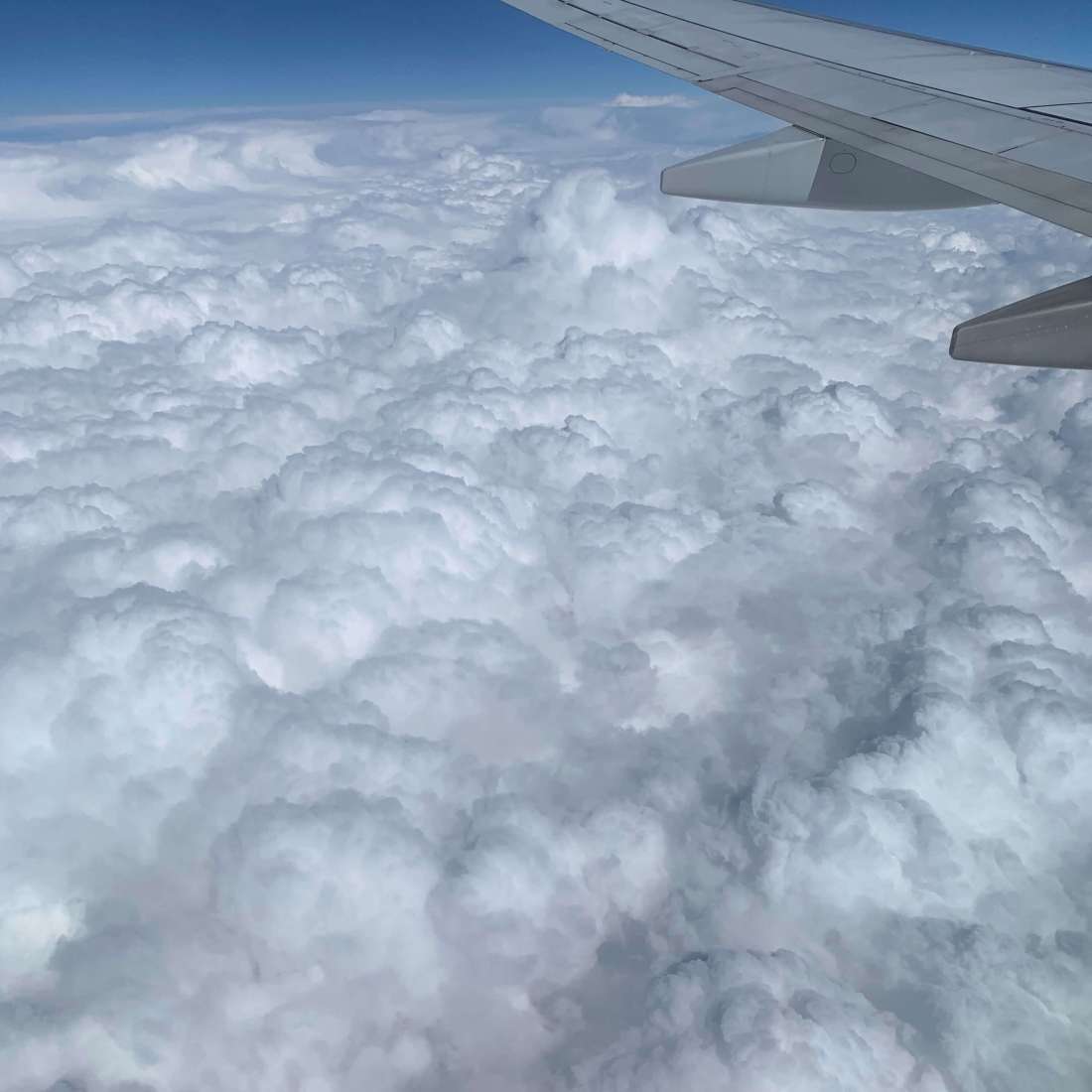
Window scenes

White, light on sight,
as swans in a lake
flowing with a breeze,
fluffy puffs of spring
glide across my gaze.

As tiptoeing at midnight
lest we awaken ghosts,
floating, beyond reach—
like truffle, treacle tarts,
hover those clouds.