

arching aisles
into an exciting life
marching hiker
Adventurer
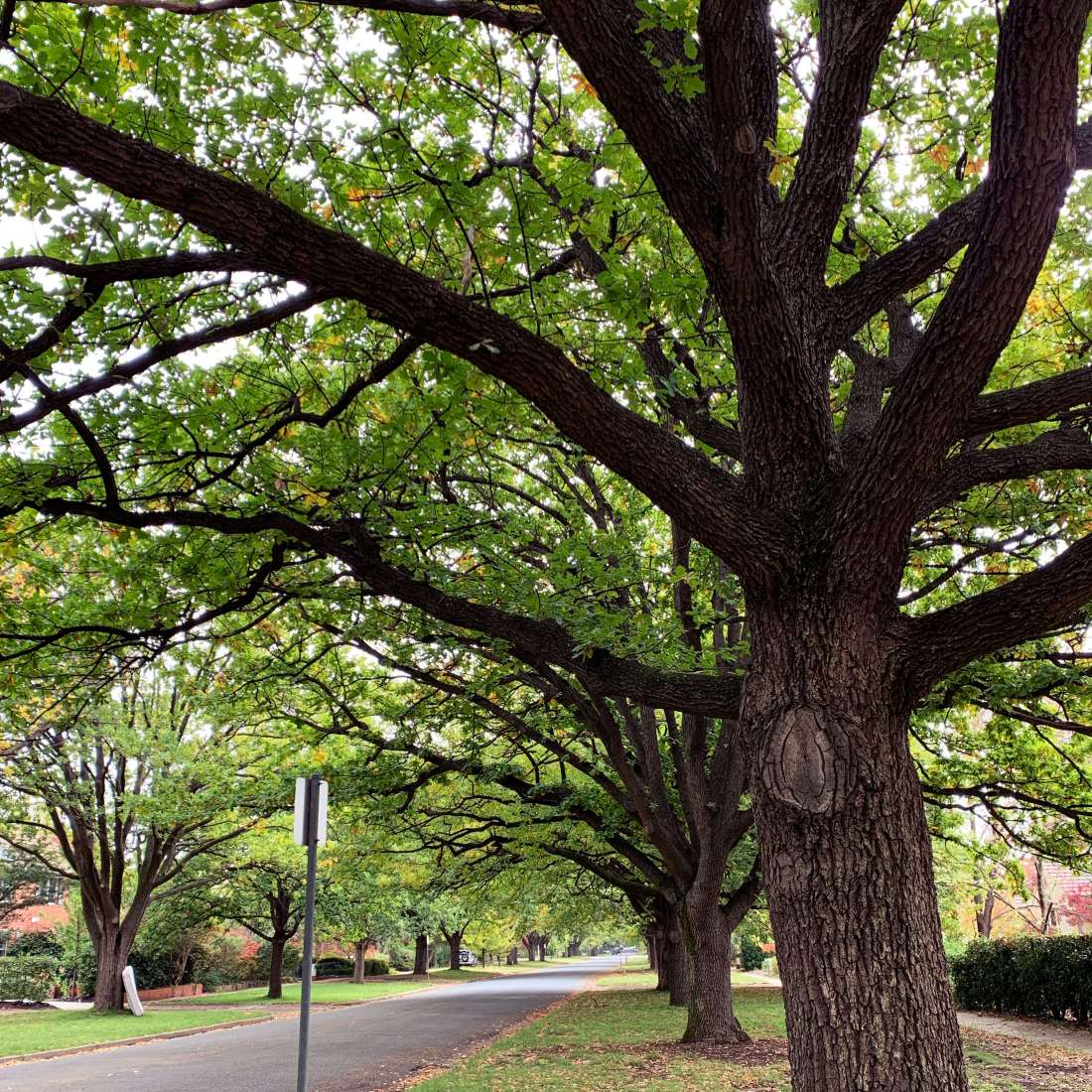
arching aisles
into an exciting life
marching hiker
arching aisles
into an exciting life
marching hiker
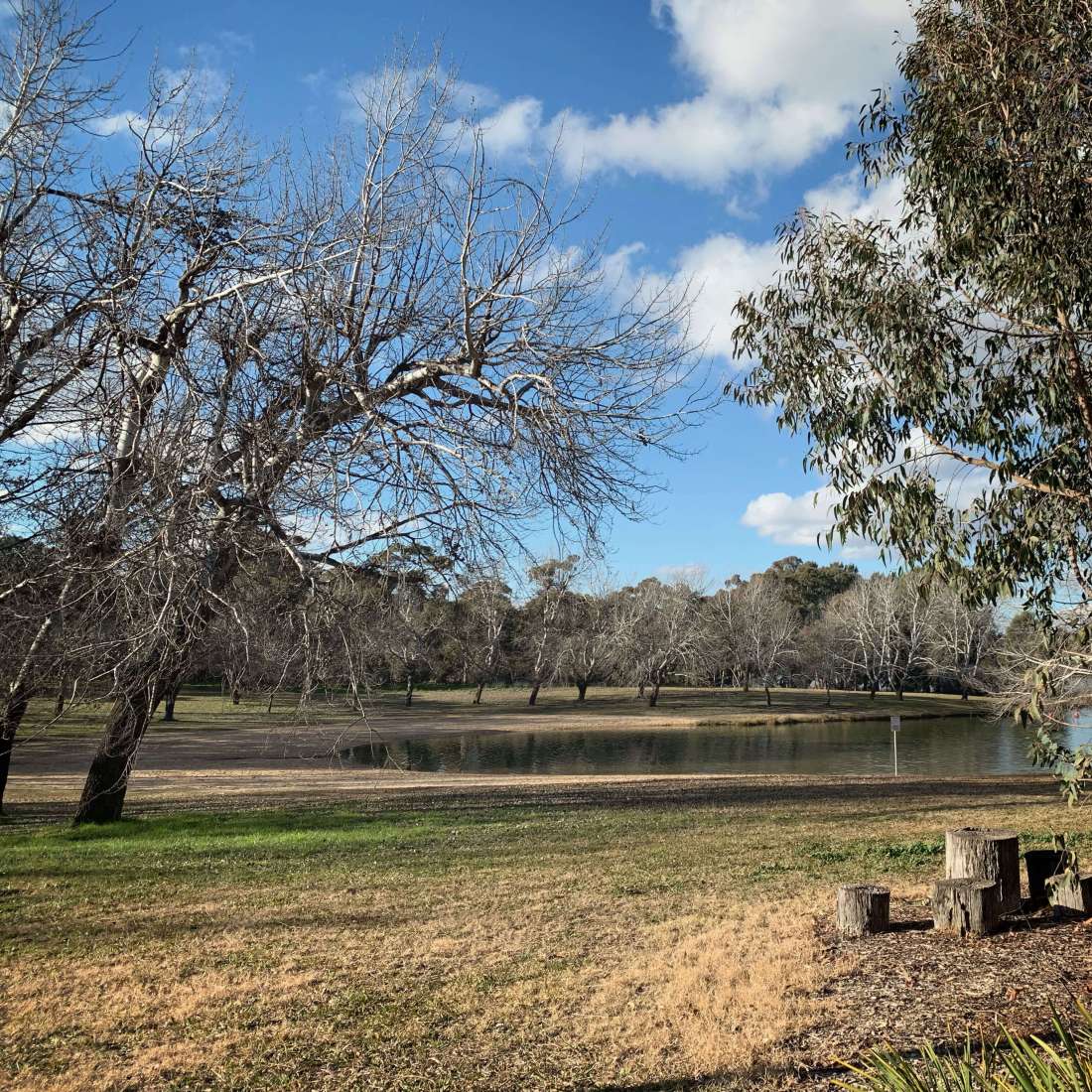
lined up unarmed
awaiting winter
summer trees
prising away
protecting tether
plops baby
*Experimenting with modern haiku. It’s fun—try it sometime.

giant trees
falling soundless
sun setting
In the spirit of modern English haiku, I’m experimenting with shorter syllable patterns.
It was in an English literature class, while studying Shakespeare, that I first heard of poetic licenses.
Poets breaking rules.

Writing as their heart desired. Morphing labels, forging words, scouring attention.
It fascinated me. I grew up learning to obey authority, as most of us did. And I followed devotedly, setting additional rules for myself.
I hated putting a foot out of line. Always submitted homework on time.
Though I loved restrictions, I also found immense joy in testing those boundaries. That’s why haiku as a poetic form attracted me. It threw a challenge: tell a story with limited words. Couldn’t resist.
I’ve been writing haiku for a while. And I’ve always vehemently stuck to the traditional pattern. A haiku is a Japanese form of poetry containing three lines in the 5-7-5 syllable pattern. That’s how I’ve always written it; that’s the only way I knew of writing haiku.
Until I heard of Haibun—a piece that combines haiku and prose, often in travel writing and autobiographies.
Haiga—a haiku accompanied by a work of art like a painting or photograph.
And haikai—linked verses relating to vulgar, witty, and earthy topics written by multiple poets.
And then I heard of “modern English haiku”.
Apparently, contemporary haiku in English uses a 3-5-3 syllable pattern (with exceptions, of course).
I also learnt that the longer version is more suitable for Japanese haiku because of the language’s natural rhythm.
Hmm.
So after being inspired by a bunch of modern haikus, I decided to give it a shot myself. Oh, well—it’s not breaking the rules if there’re no rules to begin with.
rebellion
poetic license
now convention
Thoughts, friends?
 The Chaos Within