What if—?

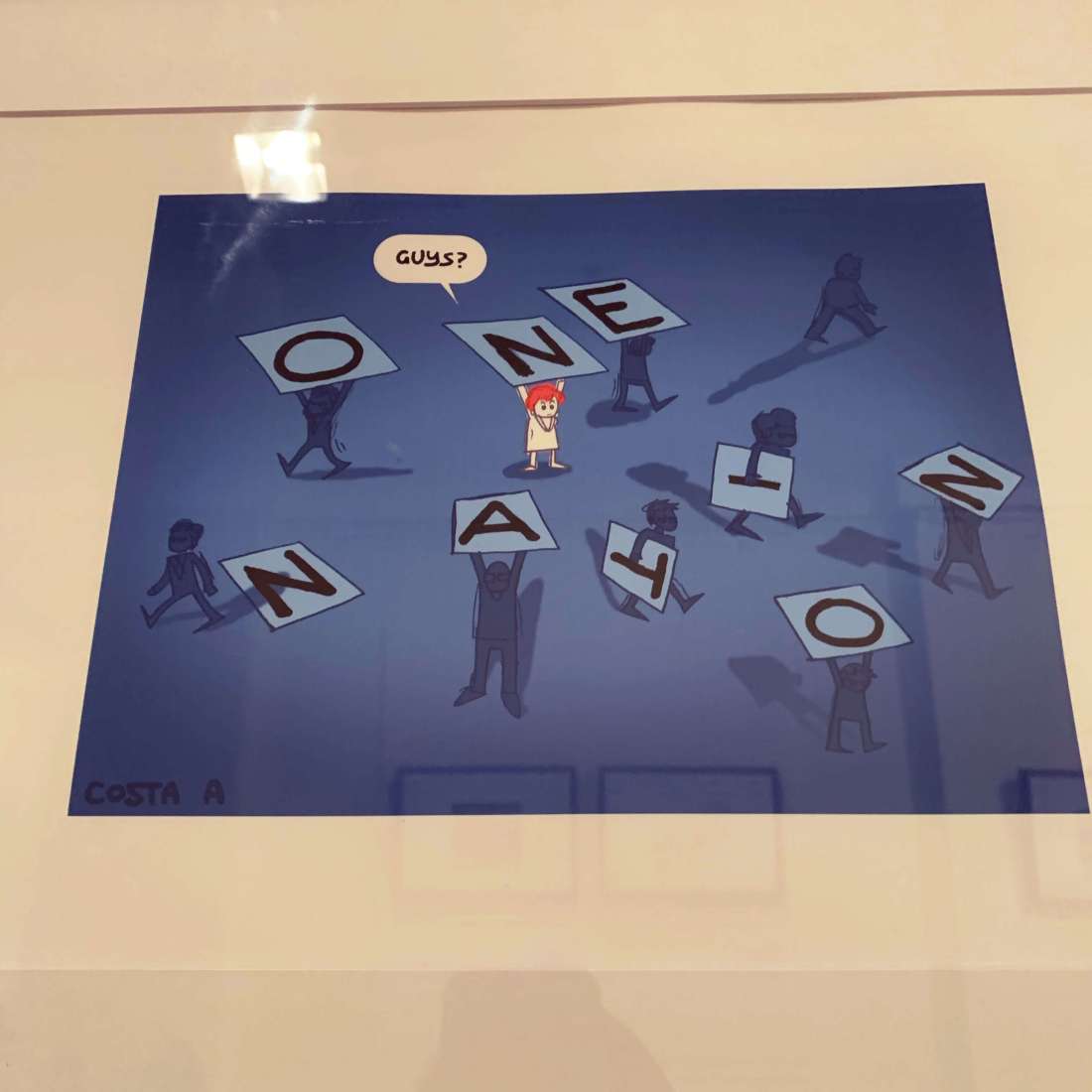
Institutions and rules keep us in check, and tell us what we should and shouldn’t do. Without a religious belief watching over us we’d run amok with madness.

But what if we wake up one day having no memory of a god or religion? What if they never existed?

Well, we won’t have violence in the name of god, for sure. People will be fighting because they’re hungry.

We won’t have loud bells claiming to wake the lord, and waking up the whole street instead.

Men won’t need wear saffron dhotis for three months in the year. Imagine not living in a neighbourhood where the men are all clad in eye-numbing orange every day.

And women won’t have to cover their heads every time they go out. Hats will become a lifestyle choice. And I can wear a scarf to without being called out.

Oh, and we won’t have discrimination in the name of godmen. Sadthus and gurus will be out of business. Holiness would mean… nothing.

Footwear will become comfort, and people won’t torture themselves in the name of devotion.

Flowers will bloom and fade away, intact in plants. Slaughtered meat and alcohol won’t be part of a traditional offering—just Thanksgiving dinners. Or brunch.

Piercings will be a hippie thing—not a god thing.

What if we told the whole world that god and religion don’t exist?

Well, people just might go crazy.

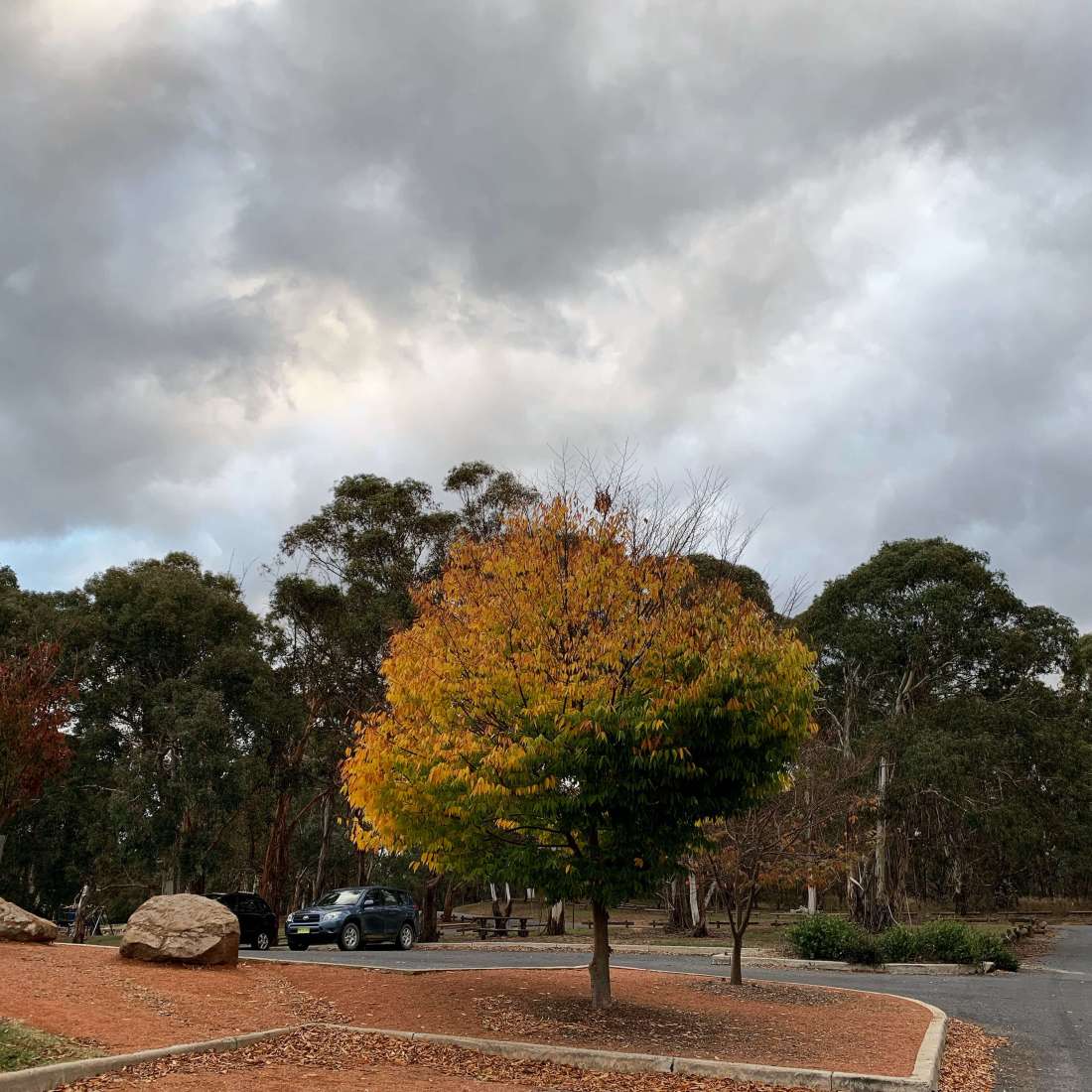
Different is courage

Australian National Botanical Gardens in Canberra

Fear less though alone

it’s the odd ones that stand out

a lesson from plants


Photo: Australian National Botanical Gardens in Canberra, ACT

The visitor

“Hi mom!”

Jennifer stroked her mother’s head and left the bag of oranges on the bedside table. Waving back to the nurse who’d led her in, she slumped on the chair next to her mother’s at the centre for the aged and helpless.

“Hello,” her mother replied in a small voice, unable to muster enough energy to speak or extend a smile beyond centimetres. She remained silent for the rest of the hour. With all hope of seeing the outside world gone now, she often took short walks only within the corridors or, on certain good days, the garden. Years had weakened her Parkinson’s-riddled body, and her once-bulletproof memory was now letting go.

Jennifer couldn’t have cared for her on her own. But alas, the world knows only to blame.

“See you tomorrow, mom.” Sighing, Jennifer kissed her mother’s forehead.

“Bye, Laura.”

Laura was one of the three nurses who took shifts to provide her round the clock care.

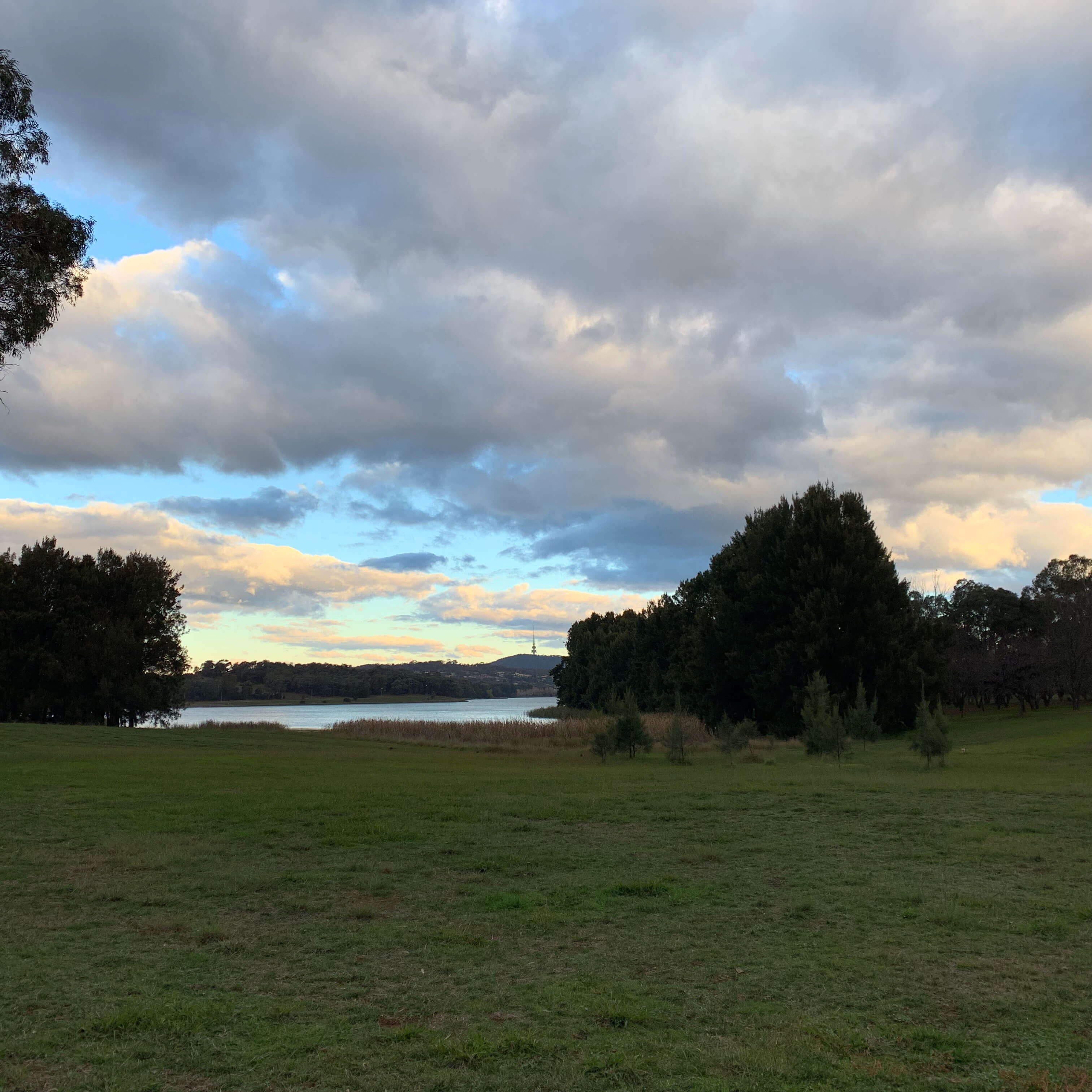
Reflecting

Lake Ginninderra in Canberra, Australia

Bathed in reflections

and deep wonder, lies the lake

and beside it, I


Photo: Lake Ginninderra in Canberra, Australia

Ya alright, mate?

I haven’t talked about it much, but about three weeks ago, I moved to Australia. From south India. It took me two years to get a resident visa, and I was beyond thrilled when I saw the visa grant letter in my email.

I was at work at the time, and I galloped to the restroom so I could punch my fist in the air without alarming those around me. It was, after all, a life-changing moment and I had every right to celebrate—even if it meant shouting out inside a bathroom cubicle to muffle my jubilance.

After spending a month with my parents, consoling and convincing them that I’d be fine without them watching over me like hawks, I landed in Australia happy and dog tired. Having flown for almost 17 hours, excluding transit, I was too stupefied even to express my joy and excitement. I sat in the car on the ride home, staring at nothing in particular, unable to muster words, breathing just like another vegetable on the counter.

Jet lag, some people would call it. I wouldn’t, but I also don’t know what it was. Even for a few hours afterwards, I felt as if things were happening too fast for my puny mind to comprehend. I sometimes still stare into space, my mind wandering, unable to believe that I now live in the first world.

It’s natural. Culture shock affects us all in different ways, and this is how it is for me. For the first few weeks, I lived with Indian housemates who’d lived here long enough to become accustomed to the lifestyle. As for me, even my first experience in a supermarket was overwhelming. Although I’ve seen first world supermarkets on my trips to the US, I wasn’t browsing as a resident; I was just a visitor looking for snacks.

And even though there’s plenty of large chain supermarkets in India where I came from, the ones here are so much bigger and have much more variety.

There’s so much variety that it’s insane. I was walking down the aisles, browsing and musing…

There’s canned tomatoes, canned organic tomatoes, canned crushed organic tomatoes, sun-dried tomatoes, un-canned whole tomatoes, un-canned sun-dried tomatoes, red tomatoes, green tomatoes, and prepackaged tomatoes.

And I’m just cooking for one. I lost the will to use tomatoes.

But that wasn’t all. Take carrots, broccoli, or just peas for goodness’ sake. They’re fresh and whole; prepackaged in bundles; bundled and frozen; chopped and prepackaged; chopped and prepackaged in individual steam bags; and even boiled and ready to eat in packages.

And what a fool I’ve been all my life—I used to buy carrots, wash them in salt water, peel, and chop them before throwing in the pan.

Nowadays, it’s just as easy as buying frozen vegetables and microwaving it for lunch.

I did prepare myself for this move. I mean, I dreamt so much, planned and planned for almost two years. But I wasn’t ready for this.

I’m still lost for words at how much things have changed. This isn’t jet lag—this is a lifestyle, mate.