
“Baby, baby, oh…”
She sang, a spring in her step,
having aborted.

There are plenty of things that go well together. Like pie and pecans. Like bread and butter, like chocolate and milk, or bagels and cream.
But no matter how many decadent things you put together, there’s one pair that beats them all: early mornings and coffee.
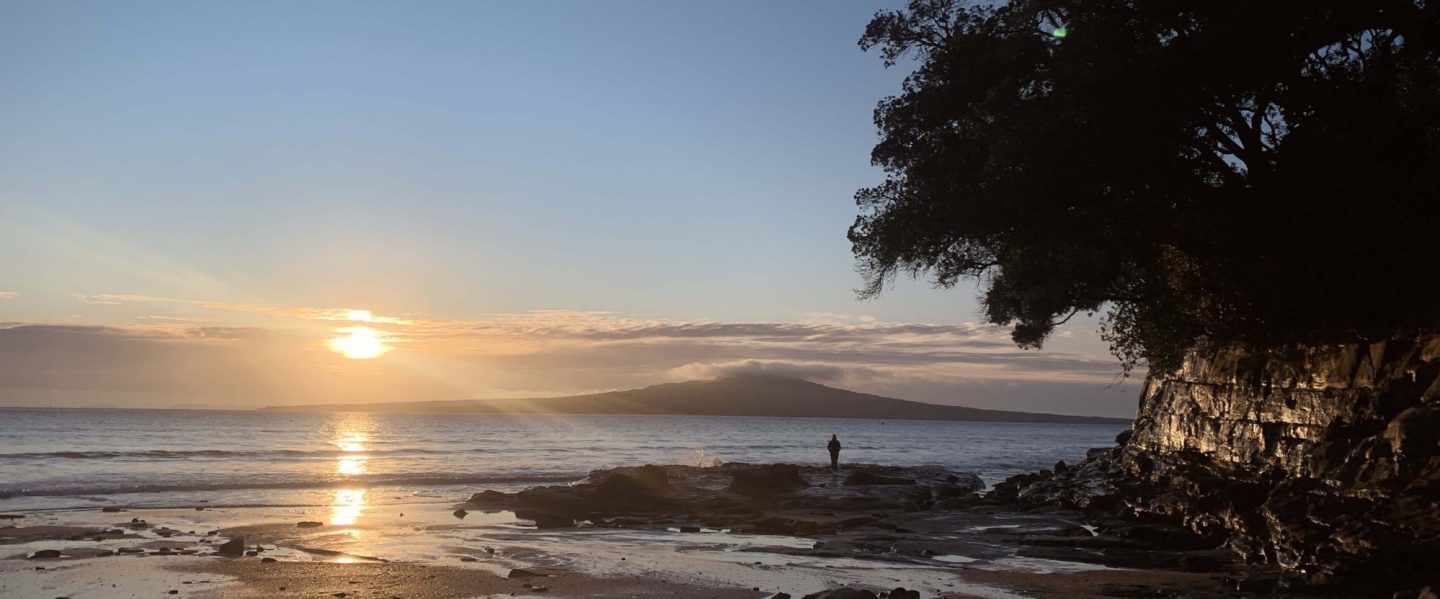
For me, sunrises are incomplete without a cup of my favourite nourishment. Sometimes it’s tea and many times it’s coffee. No matter which, an empty cup reflecting the morning sunshine fuels my soul while I bask in its warmth.

Feeble, she couldn’t eat any more. Doctors said she’d soon move on. He wept, yet knew it was best. She had taken too much pain and painkillers that failed. She had endured injection after injection while he sifted through test reports.
He had done all to help, keep, and guard her. He could hold on no more; her weakening heart begged to let go.
He sat by her side, listening to the declining rhythm of her heartbeat. He looked at her closed eyes and smiled, remembering their first meeting.
A trash collector, he had found her purring in the dumpster.
I sometimes read poetry, and often, I come across a poem that strikes me so hard that I have to save it, savour it, and share it.
One such poems, by Gina Myers, is Hold It Down.
When I first read the poem, I was so awed that I wondered why I hadn’t heard of the poet before. I studied literature, but I’m ashamed, neverthelss, to admit that there are so many popular writers I’ve never event heard of. I read, but I don’t read that much. I’ve felt small when friends talk about books and writers they cherish whereas I’m just lost.
Regardless, I read the poem again, and realised it didn’t matter that I hadn’t heard of the poet before; the poem speaks louder than the poet could’ve.
It’s a little long, but it’s worth it. Here it is from Poetry Foundation:
It’s 70 degrees outside but in the drugstoreChristmas music plays over the speakers asI stand in line balancing my checkbookin my head, stretching things thin untilmy next paycheck when the rent is due.The security guard cracks a joke, butI wasn’t paying attention, so I just smile& step forward in line. Images moveacross the screen. When I think about moneyit seems impossible. All over the countrypeople are moving into the streets& we’re here in Atlanta starting a new life.Darkness surrounds the latest revisionof our shared history. Everything clouded.Yesterday 1 couldn’t tear myself from the news& already today the events have been distorted,the numbers downplayed. It’s late fall& in the early morning crispness, the leavesfall from the trees & cover the sidewalks.This new feeling we lack a name for, strugglemanifested in the streets & in parks & on bridgesacross the nation. The headlines read“Protesters clash with police,” but as we watchedthe live stream, we saw aggression only by officersdressed in riot gear. We saw people tossedon the ground, hit with batons,a woman punched in the face, an eighty-four year oldwoman’s face drenched in pepper spray.The images endless in this land of the free.I’m losing focus, distracted by the newsfeedon the computer screen, hitting refresh.The cat paws at my leg, demands its own attention.This shift entirely unexpected but necessary.Leaves blot the window. Every so oftenI leave & start from scratch, imaginedamaged relationships & sick citieswhere there was no damage & no sicknessgreater than anywhere else. In Atlanta,everyone drives. The bartender called us“hardcore” when we said we’d walked there.She said, “No one in Atlanta walks anywhere.”Walking home from work in post-daylightsavings time darkness I pass no one on thesidewalks. I pass the traffic backed up bythe stoplight. The weekend passes too quickly—I wish it would last longer, which is what this allis really about: time & my lack of controlover it, my inability to do what I want with it.And there’s a greater futility at workhere too—a greater frustration in my inabilityto control my environment or to stop my countryfrom killing its citizens. The police beat peoplestanding still, linking arms, holding cardboard signs.Each day I think more & more about the past,about where things began to go wrong, where I, too,began to go wrong. Before I moved, before Igot sick, before I unfriended you on Facebook,before I decided I no longer loved you,before New York, before college—thinking backto childhood when we could run fearlessthrough the neighborhood at night, whenwe didn’t think about the future, when we lovedour country because we didn’t know better.
Gina is a modern poet. Perhaps that’s the reason I relate to her writing so much. The story and the panic-inducing lifestyle of a youngster is all too familiar. And as I read through the poem, words jumped at me making me feel it’s me she’s talking about.
We’ve all had that mid-life crisis moment, when we look around us feeling repulsive at the society we call home. People are mean — to animals and to each other. Just as we’re trying to figure out our purpose and way in life, we watch our fellows taking incredible measures to hurt each other, and that’s heartbreaking.
We look around us and wonder why the country’s gone to the dogs. We look at authority wishing they’d be less brutal, we look at weapon-wielding children and wonder where the flowers had gone to. It’s the reality of our lives, a sight that none of us wants to see.
Growing up is a curse. We’re forced to see things and know things, and understand situations we’d rather not. It’s disturbing and painful, making us wish we were kids again, when we loved without conditions because we didn’t know better.
This poem is the heart of a broken person. It’s the heart of every 21st-century person.
Frank — the people’s icon. Colleagues loved him, his respectful nature, and knack for avoiding controversies. Friends appreciated his remaining unbiased despite political influences.
He’d seen many downfalls as he had seen successes; lost awards, media insults, lame caricatures, and even protests against his works. Yet he shone through all that without batting an eye. He was used to it all. Fourteen years in the business had taught him how to keep his head through thick and thin.
But all the glitter of Hollywood couldn’t make up for missing his daughter’s birth. For the first time, Frank’s eyes glittered with tears.

