
Wowing, spine tingling
forth painstaking scrutiny
comes spine of buildings
— — —
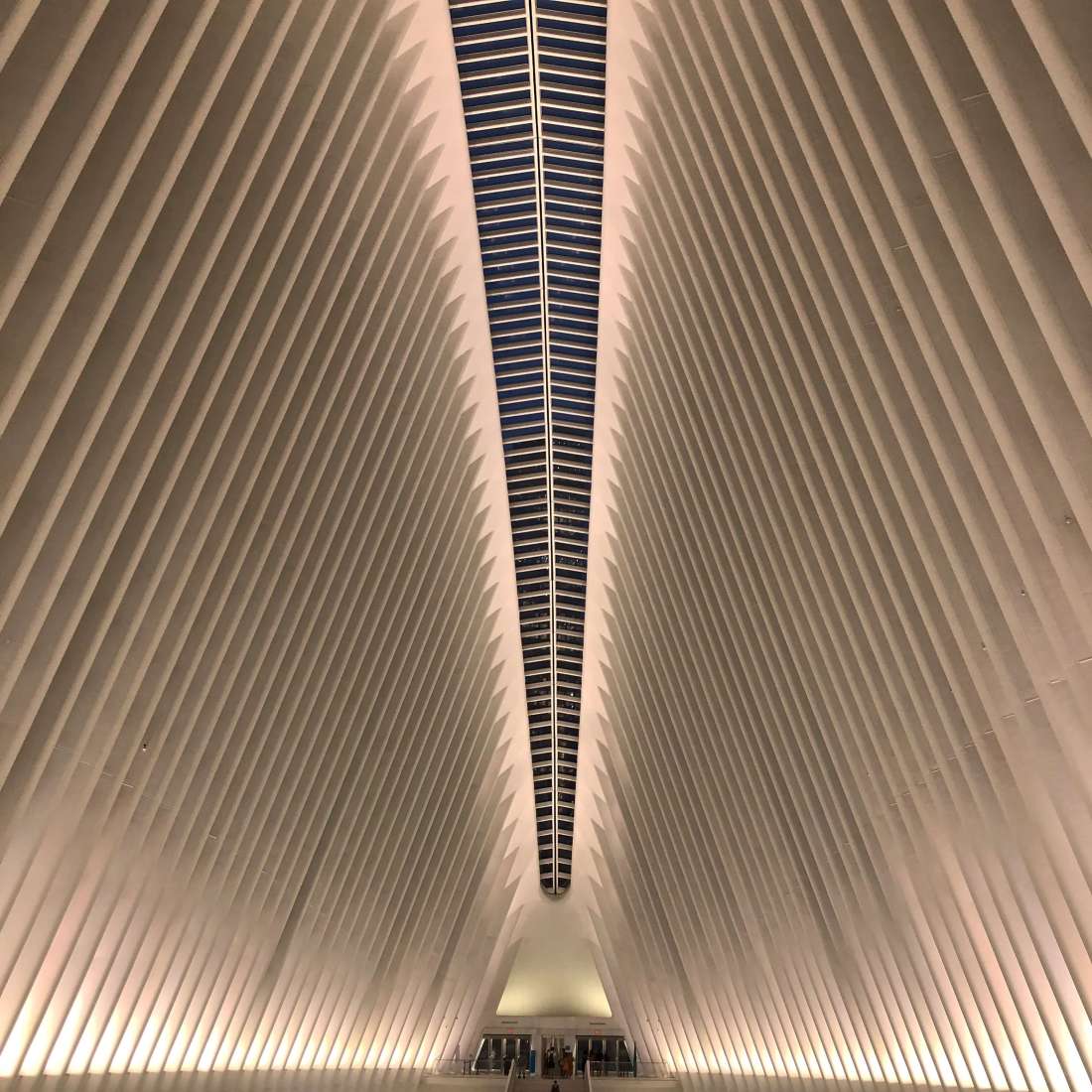
Photo: The ceiling of the World Trade Center, New York City
Wowing, spine tingling
forth painstaking scrutiny
comes spine of buildings
— — —
Photo: The ceiling of the World Trade Center, New York City
Say Miami and people reply with, “Beach, please.”
Yes, from what I saw in my brief time in Miami, the city is all about its many beaches, suntans, margaritas, and coastal souvenirs.
But what if you don’t like all of the above?
That was me in Miami. A vegan in the seafood city. A park walker among shopaholics. The best thing about it, though, about being an outcast, is that you find places no one else talks about.
Like The Freedom Tower, for instance.


An art museum and the headquarters of a few departments of the Miami Dade College, the Freedom Tower was once the epicentre of Miami’s people.
When I first set eyes on the building, I knew nothing about it. My map informed me it was a museum, and curious to learn the city’s culture - and more so to avoid standing under the sun - I entered the intricate architectural marvel. I’d noticed from afar that it was a proper tower. Although smaller in diameter than the buildings I’d seen in New York City and Chicago, it’s just as tall.
Paying a rather hefty entrance fee of $12, I went it with a confused mind. Perhaps I over paid, I wondered. I worry about entrance fees where ever I go, not because of the price but because I hate leaving thinking I’d wasted it. The thought lingered as I accepted the brochures from staff, listening as they explained what I should expect to see before letting me explore.
Constructed in 1925, The Freedom Tower was the headquarters of The Miami News, which the publication vacated in 1957 as refugees from Cuba flocked the city and the government needed a place to process them.


As I stood there watching vintage photographs of the people who’d fled Fidel Castro’s regime to come to Miami instead, I felt an intense coldness replace the heat in my body. Children torn away from their parents, families shattered, lives disrupted, these people had come to the only place that’d take them. And there I was, half a century later, on the same spot that the early residents of Miami had bled and wept.
It was a powerful moment of realisation. Although the government sold the building to private buyers afterwards, it still stands as a haunting reminder of the city’s history. It’s no wonder that Spanish is such an integral part of Miami - airports, stores, street signs all had a Spanish version of their English text and messages.
Concluding that I hadn’t wasted my money at all, I moved on to other exhibits. Sure, I could’ve learnt the history and, perhaps, even seen the photos online. However, there’s a strange comfort about being in the presence of history.
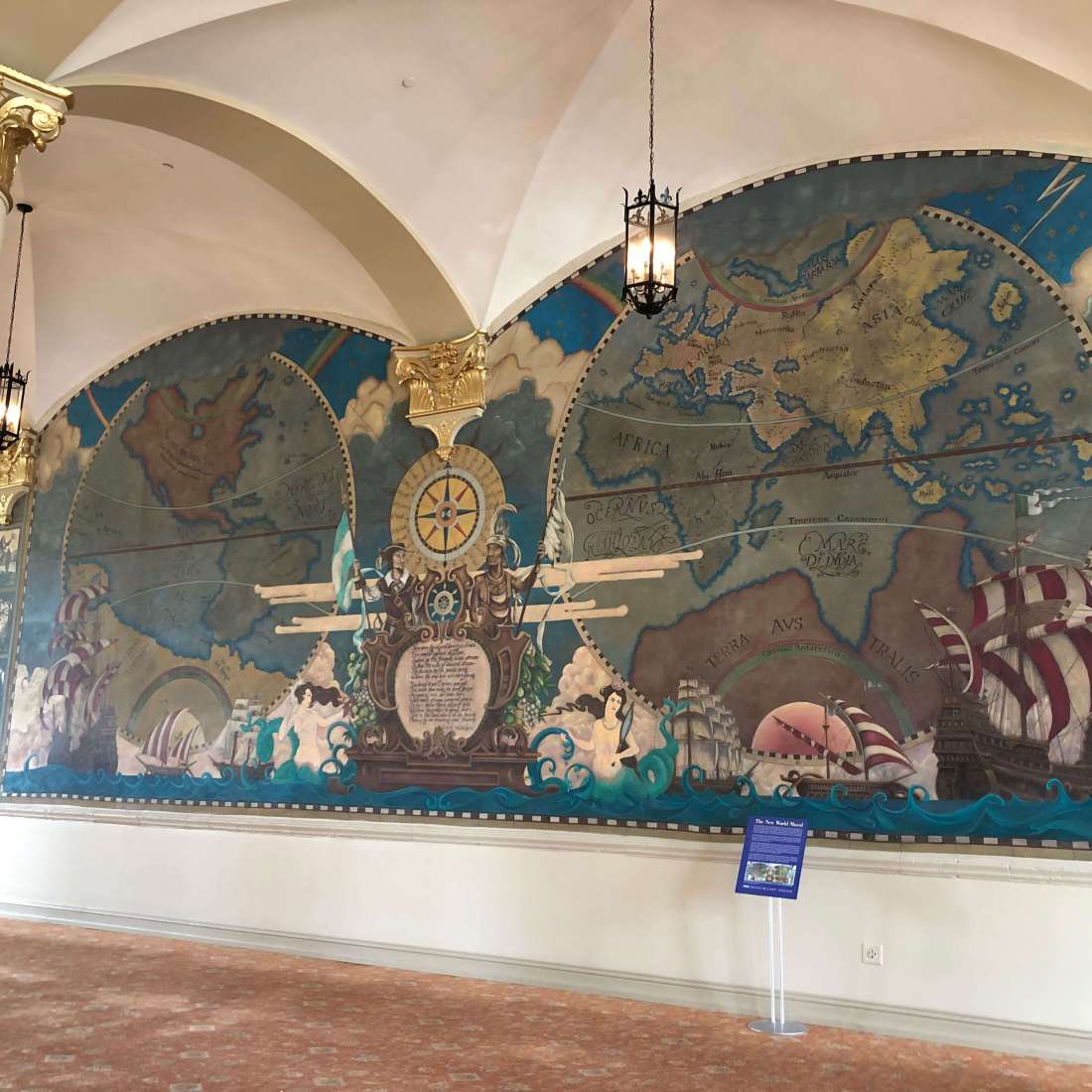
The building’s design included the original but painters had to recreate it in 1988 to protect it from ruin.
This one showcased hundreds of artefacts and tools used by early settlers of Miami, including cultural representations from ancient civilisations, as well as paintings and statues of olden traditions like games, meditation behaviours, and social gatherings. Original copies of history books and writing samples, and even copies of Robinson Crusoe and Treasure Island.


This is an entire floor dedicated to social and technological advancements in the US. It was perhaps the most interesting and surprising part of my visit to The Freedom Tower. It showcases social developmental proposals from individuals and organisations. Some of them were just plans but some were in production.
Examples include, an urban housing plan for California, an upgraded city plan for Detroit, eco-friendly gear and cycles for farmers, waste management systems, abortion awareness campaigns, hydrology development plans for LA, and even a proposal to revamp windows in prisons to improve inmates’ morality.


These stunning proposals made me wonder how much the world is changing and how less we’re aware of it. New home designs, architecture plans, systems for police personnel protection, smart vehicles, all of which were a glimpse of our potential and the possible future. Humans are incredible, and the mind’s capabilities transcend the impossible.
If only we put that to good use, we’ll leave the world a far better place than we found it. Perhaps humanity isn’t lost after all. If only -
You have to understand that when someone says Grand Central Terminal, not everyone thinks of a train station. That’s how it was for me when I read about it online. Weeks before my trip to the US, I scoured the internet for things to do in New York City. We had three and a half days and a lifetime’s worth of experiences to expect.
And so it was on a travel website that I came across this must-see place. Upon reading a review, it dawned on me that terminal referred to the train station, but I still was nowhere close to prepared as I entered the station.
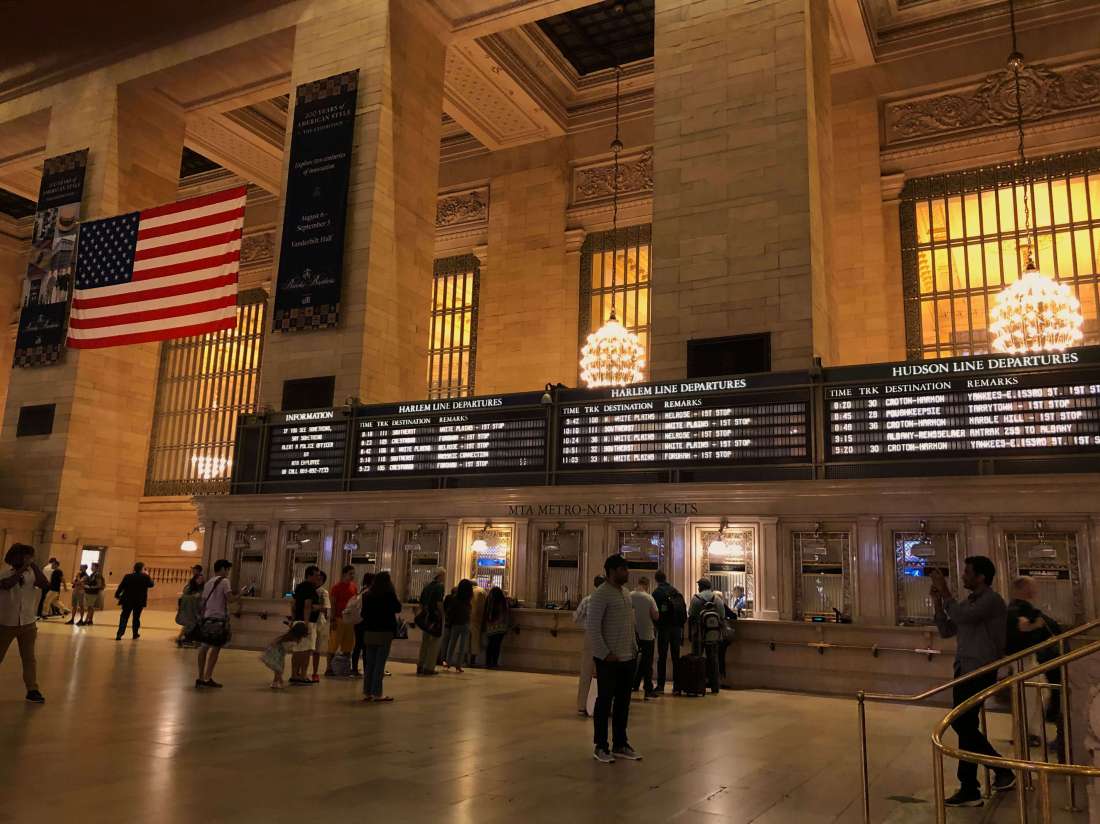
My friend and I walked a long path, scanning the map to identify the exact entry point. And when we, at last, figured it out, we rode down the escalator to the actual lobby of the station.
In hindsight, that moment of my life was like a movie. My jaw dropped on its own accord, and my eyes grew wider than in a long time. For someone who’s accustomed to dingy stations overflowing with weary travellers who clutch five or six carry-on bags, wailing children, the stench of uncleaned coaches, the whiff of engine smoke, and months worth of grease on every wall and railing, the central terminal was a make of pure gold.
It’s funny, but the station walls were mustard, glowing in gold because of the thousands of lights that lined every inch. People flocked, of course. But nothing else seemed even to remind me of the train stations back home. Arches to my left and right led to tracks on both sides. A stairwell on either side made up a path that went around the centre of the terminal. And right in the middle, facing me was a grand gold board displaying departure and arrival times.
Blinking in slow motion, I tilted my head upwards gawking. There, stretched out across the entire ceiling was a mural—a gorgeous work of art—illustrating the night sky, the stars, the moons and, the zodiac signs. Orion seemed to wave at me, and the majestic Scorpio slithered in a corner. I spotted Cancer and Leo and the good old Libra weighing, analysing every situation.
My mind felt amused. My heart elevated. And my body transfixed. It was grander even than the setup palaces in movies. And trust me, Tamil (my mother tongue) movies have a lot of castles.
I couldn’t imagine the genius that went into building such intricate works of beauty into a train station. Its purpose was the same as any other train station in the world: helping people find their trains. But this station went way beyond: there was a massive food court in the lower levels featuring the best of culinary experiences like fresh gourmet bakeries, Shake Shack, and the Oyster Bar. And as if that weren’t enough, there were over 40 retail shops within the station, including the likes of Starbucks, Apple, and various other chain stores.


It’s no wonder that Wikipedia claims that in 2013, over 21 million tourists visited the station—not to board trains but to experience architectural marvel and elegant interior designing. And of course, the Grand Central Terminal is a US National Historic Landmark.
While I was busy wrapping my head around the many glittering things about the station, most people around didn’t care as much. New Yorkers. They were more worried about missing their trains or losing their seats. Alas, I realised, perhaps the Grand Central isn’t as exciting when you’ve been there a hundred times.
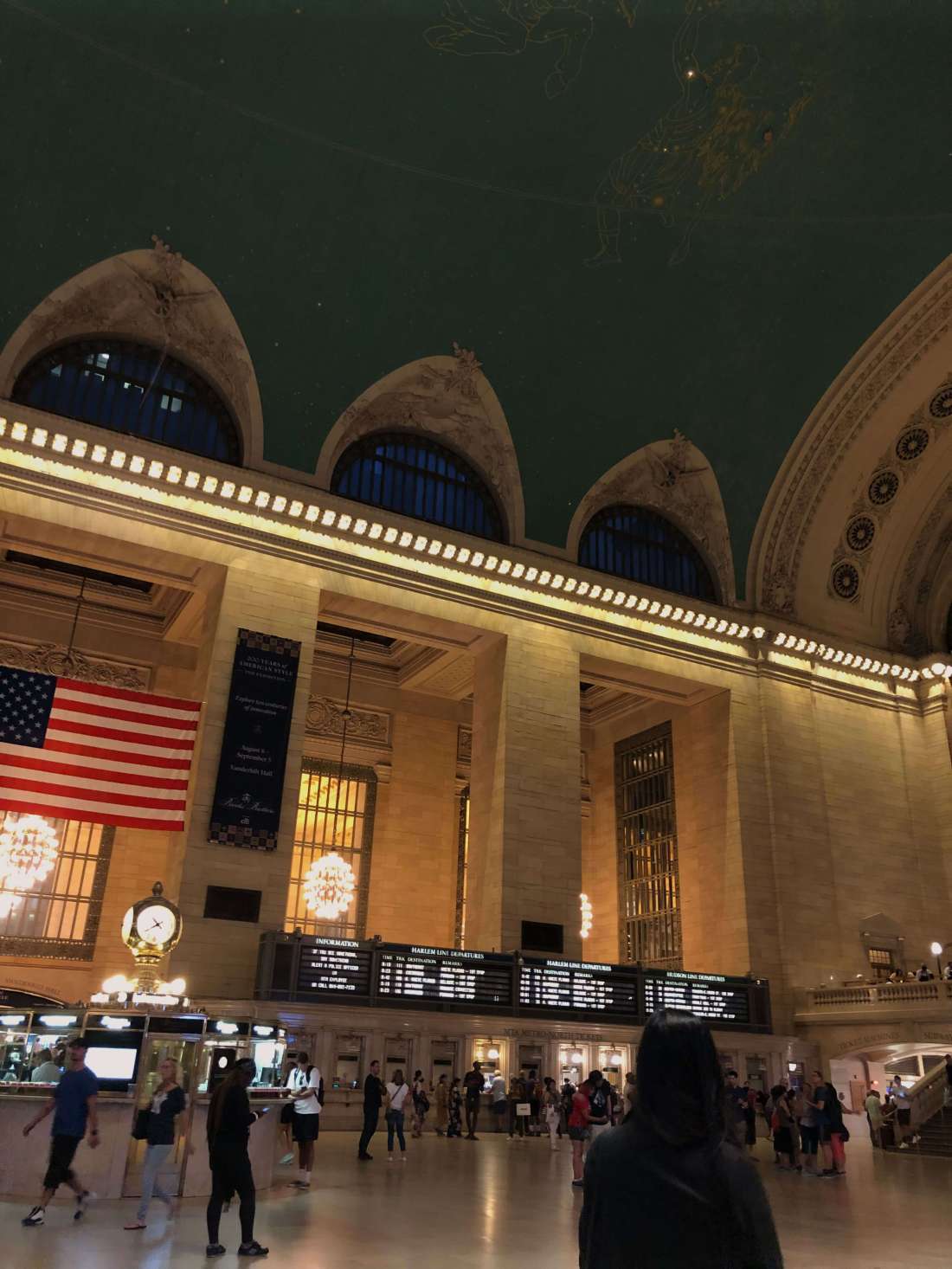
Tourists, on the other hand, seemed satisfied with posing for a few photographs against the glowing granite walls, or with the shiny display board in the backdrop. It’s a memory worth keeping and cherishing. Would they spend another evening of their vacation at the same place, I wondered doubtful.
In my case though, there’s every chance I missed many little noteworthy things at the station. And I’m sure that if I go back, it’ll still seem different, new, and impressive as the first time.
Perhaps that’s the difference between a tourist and me—it’s not about where I went or stood, but about the significance of the place and the spine-tingling sensation afterwards. It’s not about selfies or Instagram Stories, but rather more about the muse it leaves me with and the undeniable yearning for more.

Every step upwards
painful than the ones before
stairways, life’s prep class
— — — —
Comes creative craze
with unlimited freedom
just as with power
 The Chaos Within