
Fraying photographs
desperate to keep intact
long gone memories
Fraying photographs
desperate to keep intact
long gone memories
When was the last time you did something for the first time?
Not long ago, this question popped up all over the internet. People woke up to realise how meaningless their everyday routines are. And all of a sudden, they were talking about making significant lifestyle changes that you would associate with the madness of new year’s resolutions.
People quit their jobs. They took to hiking, to jogging, to exercising, and some even considered bungee jumping for crying out loud.
Despite the varying degree of madness, everyone who’d boarded the bandwagon had one thing in common: they wanted to come out of their comfort zone.
That’s commendable.
It’s just too easy to snuggle up in a comfortable place, listening to comforting words and eating mac and cheese—even more so when Winter’s just around the corner.
It was one of those days—cold and cloudy, not a ray of sunshine to dry out the dewy grasses. I woke up to 7 degrees Celsius (44 Fahrenheit), and for the first time in my life, it didn’t go over 9 degrees Celsius all day. Taken by surprise and shaking with shock, I sat in the corner of my room with my blanket wrapped around my shoulders like my mother’s arms. Though I’d closed the window and the wind whistled way out of my reach, I still sensed the biting cold just waiting for me beyond the comfort of my room.
I didn’t want to go out. It was a Wednesday afternoon, and all I wanted to do was lock myself in my room until winter past.
In my defence, I relocated to Australia only a month ago. It’s my first experience with Autumn and the fast-approaching Winter. But after sitting in my corner all morning, and watching the final episode of House of Cards, I realised I was a coward. I work from home, which is convenient, but that also means I could use it as an excuse for not stepping out.
Within five minutes, before I could change my mind, I was in the shower. I would go out for a walk and face the falling temperatures. So what if it’s cold, I told myself—let’s get used to it.
And so I went.
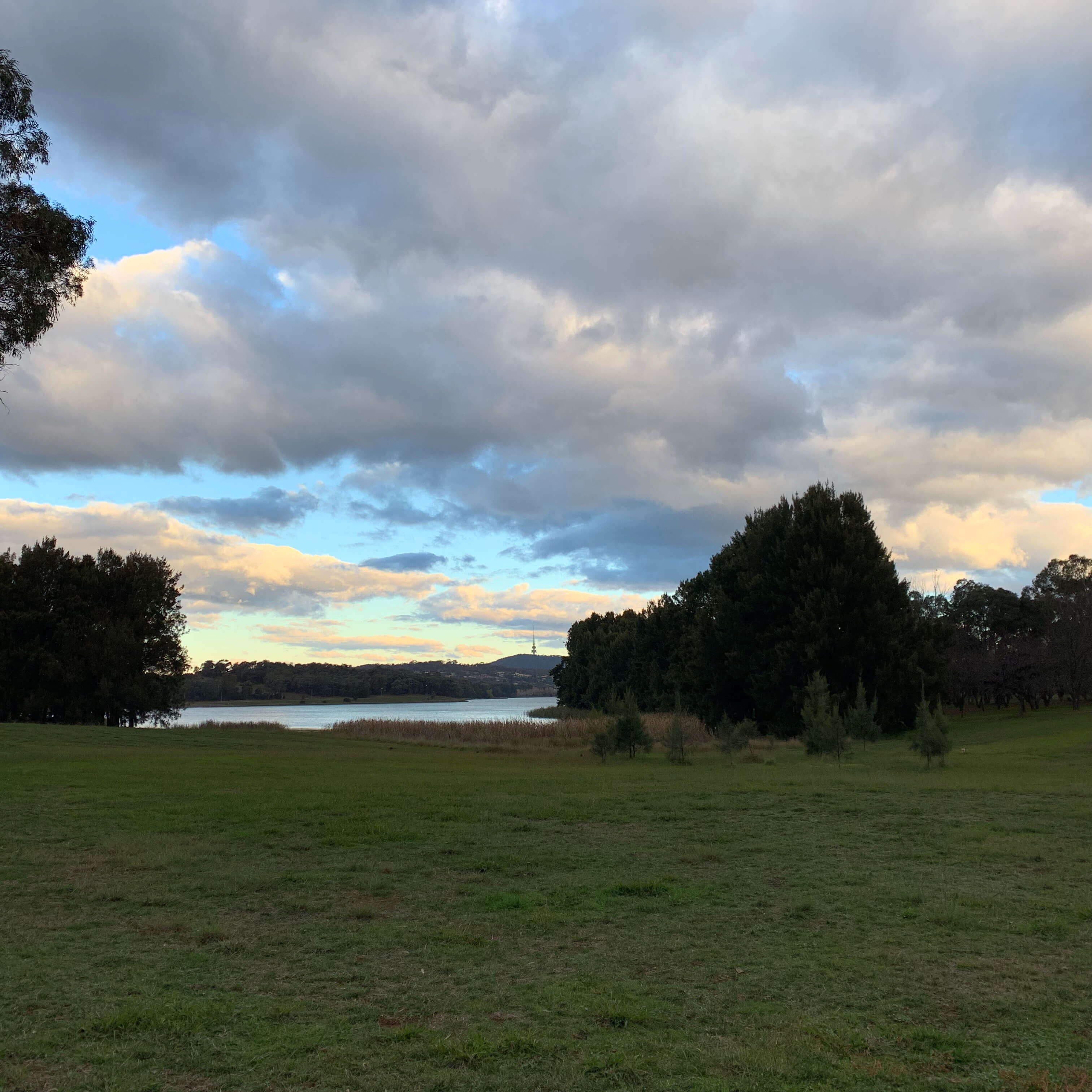
I was a little cautious—wearing my beanie to prevent the cold from whispering in my ear or coming down on my forehead. But from the moment I decided to get out, I felt the temperature within me change—from feeling cold and scared, I felt a warmth spread through me that had nothing to do with the weather outside. And as I walked down the street, flanked by trees in their Fall prime, I felt the breeze kissing my face. It stung a bit, yes. But after a while, I started enjoying it. It didn’t hurt anymore, but felt rather welcoming. My nose was running—I was breathing fresh air like never before. The leaves rustled all around me, the cockatoos sang in approval as I strode past their homes, and even a couple of other people crazy enough to wander the same path smiled as we crossed each other.
By the time I returned, I felt so alive. And cold, yes. I did make myself some hot tea before curling under the blanket, but it was still an achievement in my book.
Doing something for the first time doesn’t have to be a drastic and dramatic adventure. It could be a simple everyday situation where we explore the uncomfortable. And for me, it was challenging myself not to fear this beautiful time of the year.
Australian politics and history have evaded us for a long time. I realised this as I walked past portrait after portrait of the Australian prime ministers. Most of Canberra’s suburbs have names of these Prime Ministers, but aside from that I hadn’t heard of even one of them before. What a shame. Though I grew up in Asia, I knew leaders of Britain, the US, and Canada from an early age—they were always in our history books or the ugly political discussions at awkward family dinners.
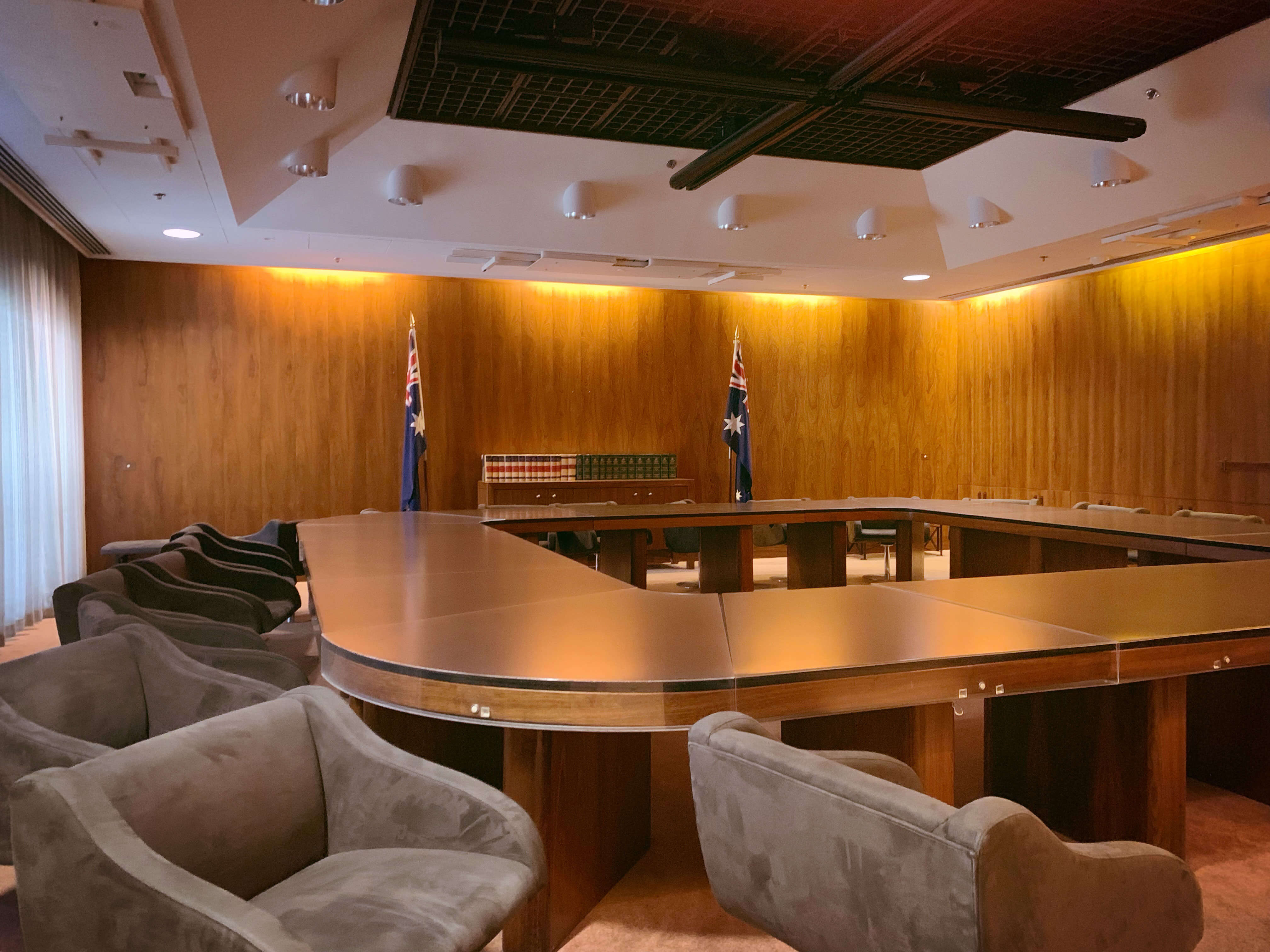
Wondering about the weirdness of it all, I wandered the old parliament house in Canberra.
Although it was built as a temporary parliament in the 1920s, the provisional parliament building ended up serving as the actual parliament for over fifty years. Today, though, it’s a storehouse of exhibitions and historical monuments.
Apart from the primary attractions like the House of Representatives Chamber, the Senate Chamber, the Prime Minister’s office, the Cabinet, and the Opposition Party Room, the parliament building is also home to plenty of smaller, yet significant exhibitions.
When I walked in, I had no idea what to expect. Equipped with a though floor plan of the entire building, I wandered through the corridors looking into each exhibition.
Finders keepers
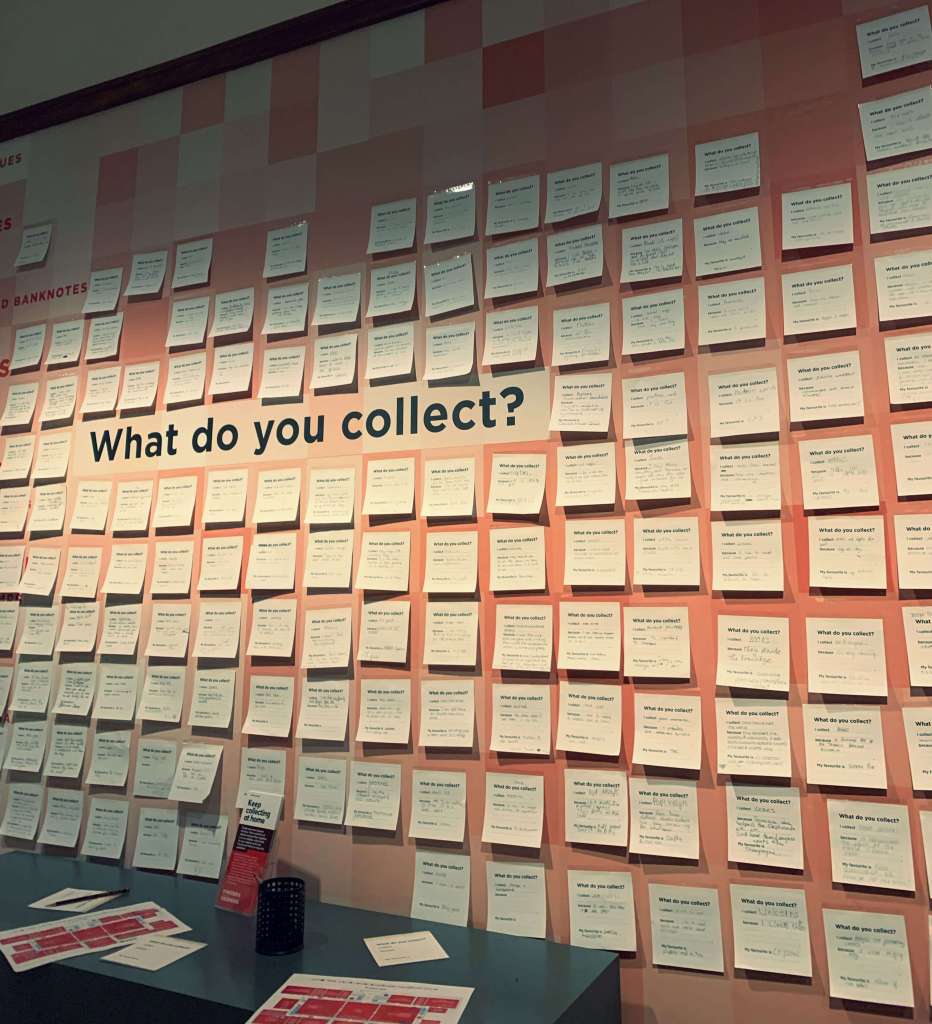
My first stop, this exhibition showcases the different types of collectables famous Australian figures collected—like the telephone collection of a former telecommunications officer, the tie collection of a former minister, the t-shirts and badges owned by a social activist, and the porcelain collection of a parliamentarian. Each of these collections ties into the larger story that museums themselves are collectors.

OnetoEight
Moving along, I paused at a large room dedicated to remembering the Prime Ministers of Australia. Apart from photographs and descriptions of their work, you can also hear recorded versions of some speeches they delivered throughout their reign.
Wives of the Prime Ministers
Inspiring and eye-opening, though they were, more striking was the portrait exhibition of the wives of prime ministers. A surprise, it was—although every museum I’ve been to celebrates public leaders and their achievements, none of them mentions the families that supported the great menfolk of our time. This exhibition, albeit small, casts a vital spotlight on the womenfolk of the nation.
Whenever I visit historical sites, I don’t set time limits to myself. I don’t like rushing through exhibits to move on to the next attraction on my list. That’s such a touristy thing to do. Instead, I take my time to explore, read inscriptions, watch the videos, and linger. As a result, I spent $2 (entrance fee) and over 4 hours inside the parliament building.
I have no regrets, though. If I hadn’t stayed on, I would’ve missed the witty and thought-provoking political cartoons on display. Couriser and couriouser, huh?
I would’ve missed the #UDHRquilt project. UDHR stands for Universal Declaration of Human Rights, and this project was the work of craftivists (craft+activist), Tal Fitzpatrick and Stephanie Dunlap. They made four quilts, embroidered with the articles mentioned in UDHR. I’m no activist. I have mixed feelings about how human rights are so subjective at times. But I still enjoy a good piece of art.
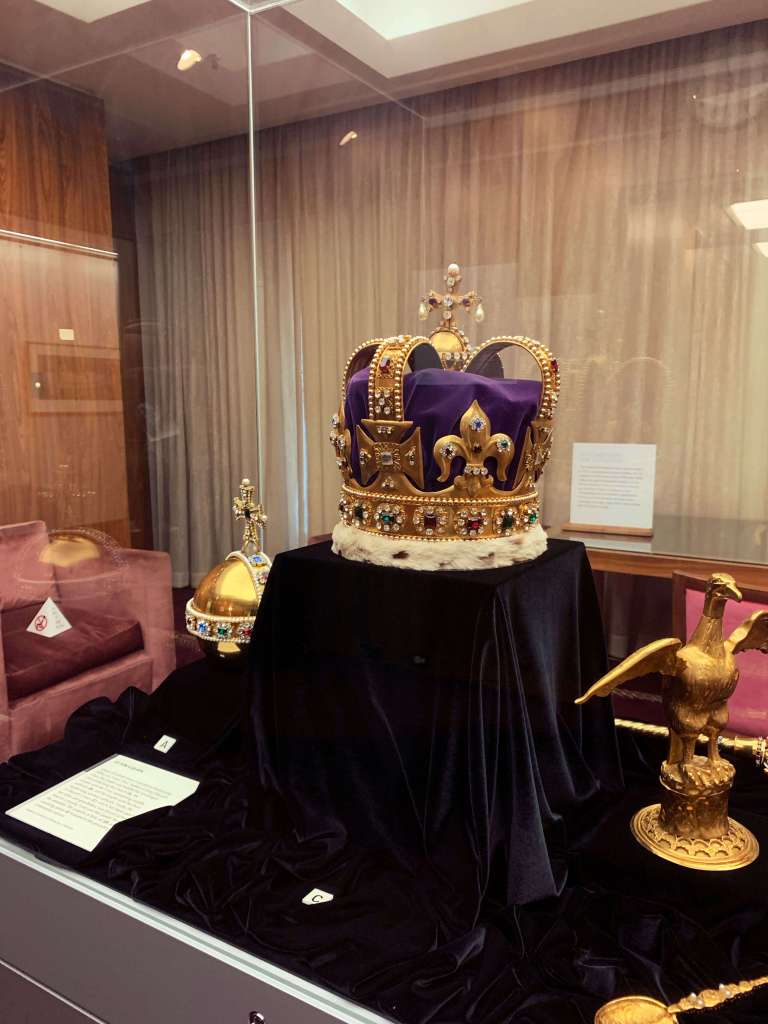
Oh, and I would’ve missed the crown jewels. Not the real ones, though, of course. When Queen Victoria visited Australia, they made a separate area in the parliament to accommodate the Queen and her party. And as I stepped into her living space, I couldn’t believe how simple everything was. The dining table was just a basic wooden structure, the bathrooms, the kitchens, the sitting area, though impeccable, were more functional than fancy. It reflected that the royalty and the highest members of the government were still so human, so vain.
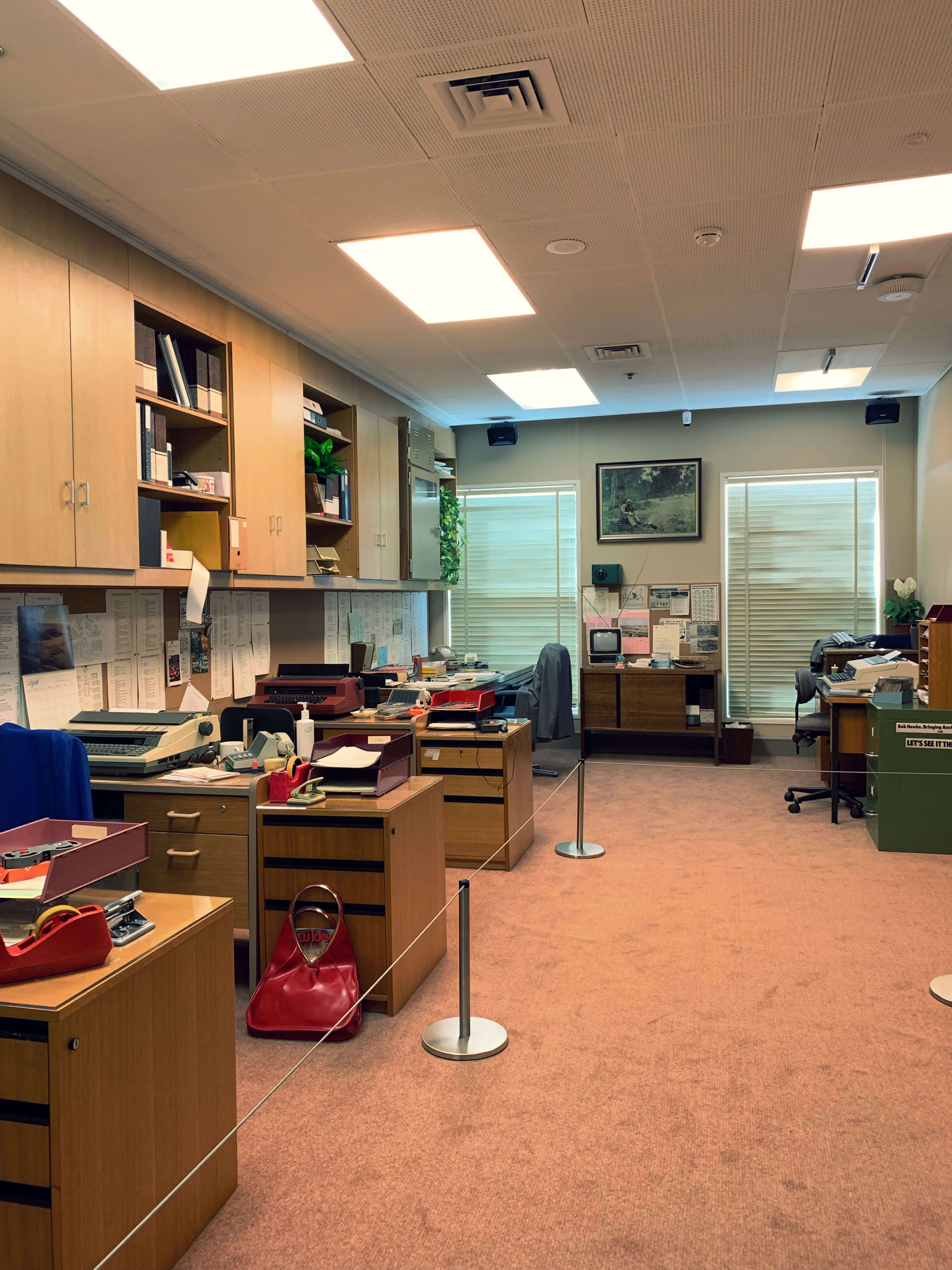
Had I left any sooner, I’d have missed the most exciting exhibit of them all—the Press Gallery. It’s hard to fathom that the small, even stuffy, rooms above the house of representatives were the life of the government. Everything that the world knew and heard of about the rule makers came from the press—every printed phrase and every uttered word makes a world of difference. And as I stood where so many print and radio journalists had stood in the past, I felt proud to appreciate the power of the written word and its influence in the world.

Other highlights in the museum:
In the end, it was like any other trip to the museum—so satisfying, so full of lessons, and so overwhelming. And still so worthwhile. By the time I left, I didn’t have time to go elsewhere because most of the museums and historical sites in Canberra close at 5 pm. Remember that when you visit—and do visit.
Ever travelled to a foreign country and found yourself converting the local currency to your own? And have you ever had this face when you realised how much everything costs in your own money?

It’s the bitter reality for most of us. Although you tell yourself you’re on holiday and it’s ok to splurge once a while, you still can’t fathom the marvel that is currency conversion. But your inner mind is right—it is only once a while, and you should splurge on yourself.
Can’t say the same about me, however. One of the scariest things about moving to Australia—a country well known for its venomous snakes and its well-established economy—is that everything is so damn expensive. And the locals often don’t realise it because, well, they earn well.
The average earning capacity for an Australian is high enough for an average Australian lifestyle.
For me, though, it seemed bollocks. I had fair warning, yes. Expat forums and online resources informed me page after page how pricey life is. But I didn’t understand the real weight of it until I saw that a simple fruit-and-nut bar costs 4 to 5 dollars. A decent meal at a so-so restaurant will cost at least $15—not including drinks. It’s not uncommon to spend $25 on a meal.
What’s funny though, is that I found a good, sturdy pair of shoes for the same price. It wasn’t Nike or Sketchers or any if those high-profile brands, but it was a functional pair of shoes.
And I see that across all products—the pricing structure is so illogical. Coles and Woolworths are two of the largest supermarket brands in Australia. Both have their own branded products for almost everything (like Trader Joe’s). Salt, pepper, detergent, prepackaged meals, chocolate, biscuits, chocolate biscuits—you name it, and chances are they’ll have it. They’re super cheap too—a 2-litre bottle of laundry liquid cost me less than $2. But unlike Trader Joe’s, these supermarkets also carry other local and imported brands which are four to six times expensive. Just for comparison, other detergents range between $7 to $10. And people still buy them.
Most people I’ve seen use a clever combination—they buy home brands for a lot of stuff, but they also spend extra on some other fancier brands. It all depends on the product. I’m still trying to discern how they reason it out, but after spending weeks comparing prices between brands and also between supermarkets, I’ve also started making some calculated purchasing choices.
The most important thing to know, if you’re visiting Australia, is that how items are priced makes no sense whatsoever. Whether you’re travelling from the US, Asia, or Europe, don’t expect logic. Come, explore, have fun and splurge. Don’t try and make sense of the Aussie way because you’ll only depress yourself by doing so. I speak from experience.
Moving to a new country isn’t just about striding through supermarket aisles making fun of all the types of tomatoes you can buy. And neither is it about exploring the city as a tourist.
Moving to a new country means you have to start doing regular chores as well. And today was the first time I did laundry by myself.

Of course not. It’s not the first time I ever did laundry—I’ve done it plenty of times back in India. I used to hand wash my clothes for a long time before we got a fancy washing machine. I’ve run it loads of times since, and know my way around it well enough.
For my first few weeks in Australia, I bunked with my brother whose washing machine I got accustomed to without any trouble.
However, I hadn’t done my laundry at all since moving into a place of my own. It wasn’t any different than doing laundry at my brother’s home—except it was. Unlike my brother’s place, my new place doesn’t have a clothesline or a balcony to dry wet clothes. Instead, we have a dryer.
Ah, a dryer. A concept I’d only heard of in movies where winter was a real thing. Back in Chennai where temperatures never fall below 25 degrees Celsius (77 degrees Fahrenheit), it seemed insane to have a dryer. Plus, it’s expensive and a luxury item. I didn’t worry much about it, though—my roommate walked me through the procedure, and it seemed simple: throw the clothes in and turn the knob. Easy. Great.
So there I was a week after moving in, with a load of dirty clothes that could no longer escape the wash. But first, I needed detergent. Not unlike the tomatoes, there were hundreds of brands and types—of powders, liquids, concentrated liquids, conditioners, and bleach. After struggling for about 15 minutes, I grabbed the cheapest liquid detergent and got the hell out of the supermarket.
I’d seen my brother dump a spoon-full of detergent powder onto his clothes. My roommate, who used liquid, affirmed the procedure. However, the label on the laundry liquid I got warned against pouring it onto the clothes. Helpful, you might think. But no—it didn’t tell me how else to use it. So on the morning of my laundry day, I spent about 20 minutes online trying to figure out to use the liquid on a washing machine—and hear this—that didn’t have a detergent dispenser. I’d never imagined a washing machine without a detergent dispenser, but here we are. It turns out I have to dilute a small portion of the liquid in warm or hot water and then pour it on the clothes. Fine. But even now, I don’t understand the difference between the regular liquid that I got and the concentrated liquid I was sure to avoid.
By the time I turned on the washing machine, I felt drained of mental energy. But it was just the beginning. Worried that I’d made a mistake (I hadn’t), I was too afraid to leave it running and return to my room. So for the next hour, I stood close by alternating between working and checking in on the machine. Despite my preparedness to pull the plug if something went wrong, the machine worked fine. My clothes came out clean and intact—although I wish my socks had had a better run. Heaving a huge sigh, I wondered if there was a way to avoid using the dryer. But to my tough luck, it was a cloudy, rain-forecasted day. The sun didn’t even show its face all afternoon.
Oh, well. I shoved my clothes in the dryer and turned on the knob. There were only two settings—light blue for synthetics or delicates and dark blue for regular. I ran the dryer under the highest heat for delicates. Unsure of how long it should go, about 15 minutes in, I stopped and felt my clothes. They were still wet, so I let it go again. Then I realised that the dryer was making a big racket—nothing faulty, but it was so loud that I panicked. So I stopped after another 10 minutes. My clothes were wet. I ran the dryer yet again, and again, stopping every 10-15 minutes. What if I ran it for too long? What if it overheated and went kaput?
It was a tense afternoon. I was shuffling back and forth between the dryer and my laptop. I got no work done, however at the end of it all, I had a bunch of clean and warm clothes. And I didn’t flood the apartment—which is always a good thing.
People say moving to a new country is a major life change like work, family, and friends, but I don’t think they realise that it’s the small everyday things that pose the biggest challenge. Geez—it was easier to get on the bus to the Botanical Gardens than it was figuring out the functionality of a washing machine that didn’t have a detergent dispenser.


 The Chaos Within