
Delicious.
Made in Australia
with ingredients from multiple origins.
Low fat,
with Australian oats;
stabiliser—
cappuccino.
We appreciate your comments,
freecall,
Enjoy!
Serving,
empty contents into your favourite cup,
pour in hot, but not boiling water,
stir well.
Please dispose of thoughtfully—
not for individual sale.
Please recycle—
see bottom of pack:
plant based cafe classics—
this packaging is not recyclable.
May be, present,
for lovers of coffee.
Tag: coffee
What goes around…
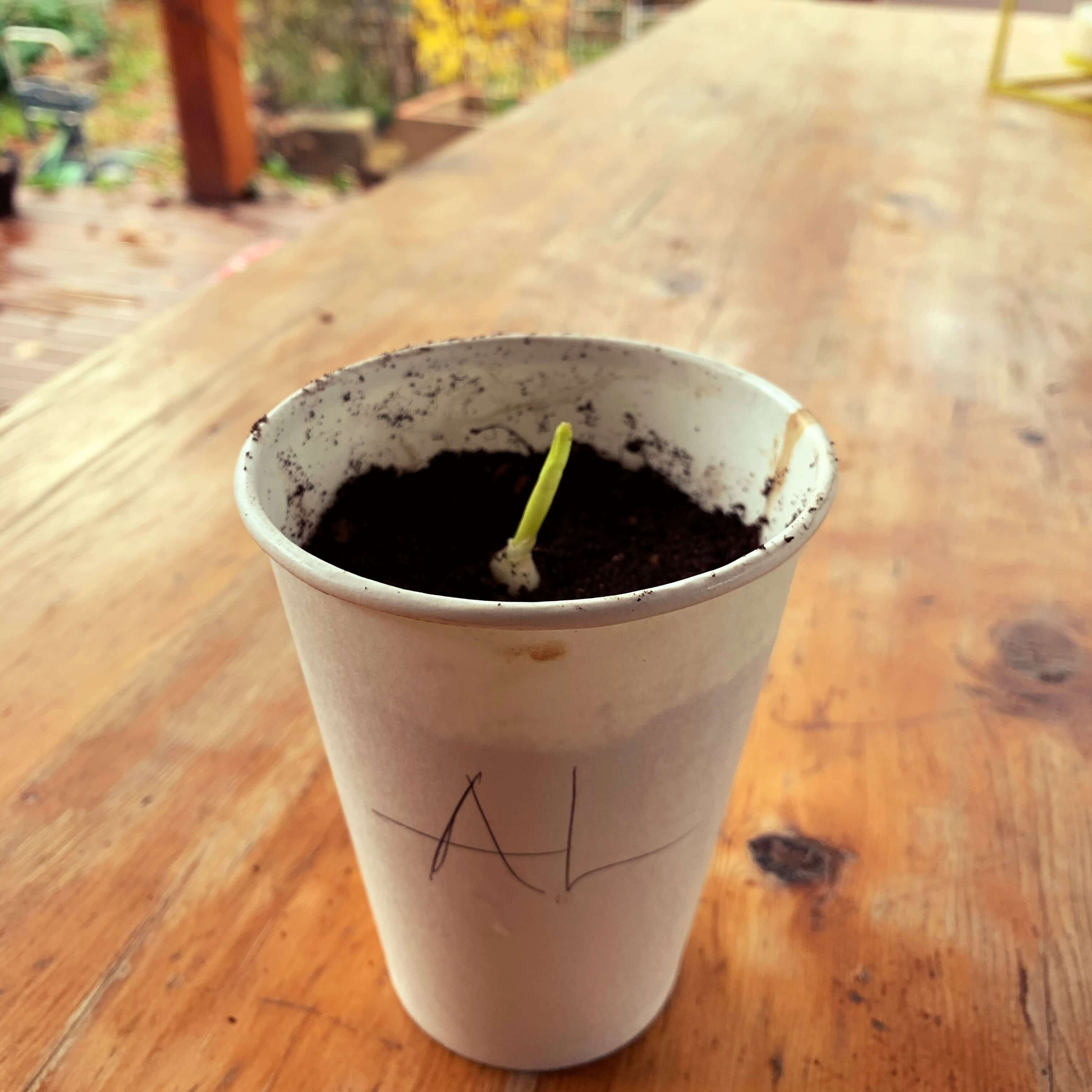
With every re-use,
comes a lighter load of trash,
brighter chance for green.
Coffee
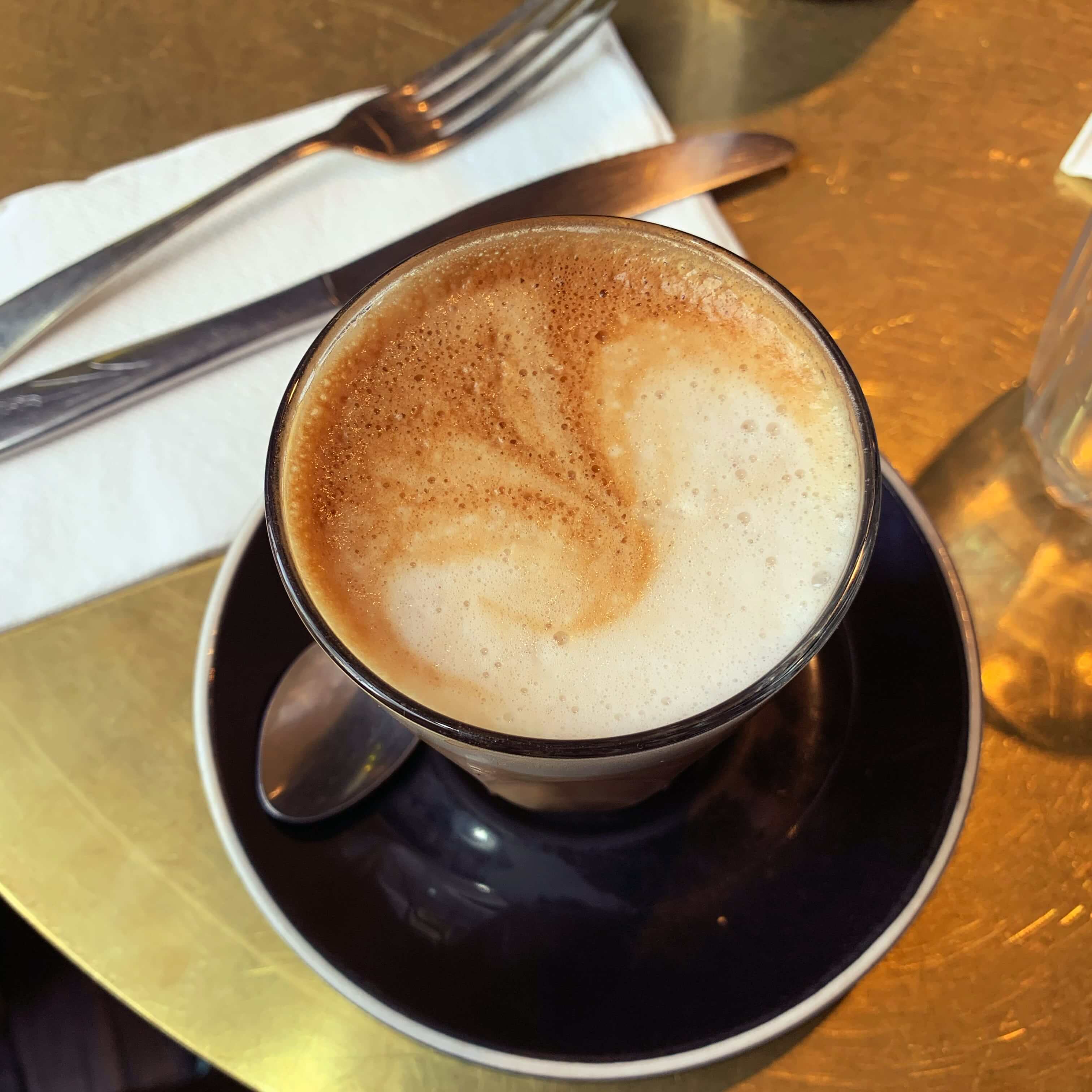
A shot and some cream,
their fates twisted together—
yin and yang of life.
Coffee traditions
Over the weekend, I volunteered at the National Multicultural Festival in Canberra. In its 24th year and my first, it was such good experience to be part of the three-day extravaganza.
Of the many highlights, was a small cup of Greek coffee.
Standing outside the Greek food stall, I stared at the sign that said “Traditional Greek coffee, boiled in a briki.”
Italicised and unpronounceable means that it’s traditional, right?
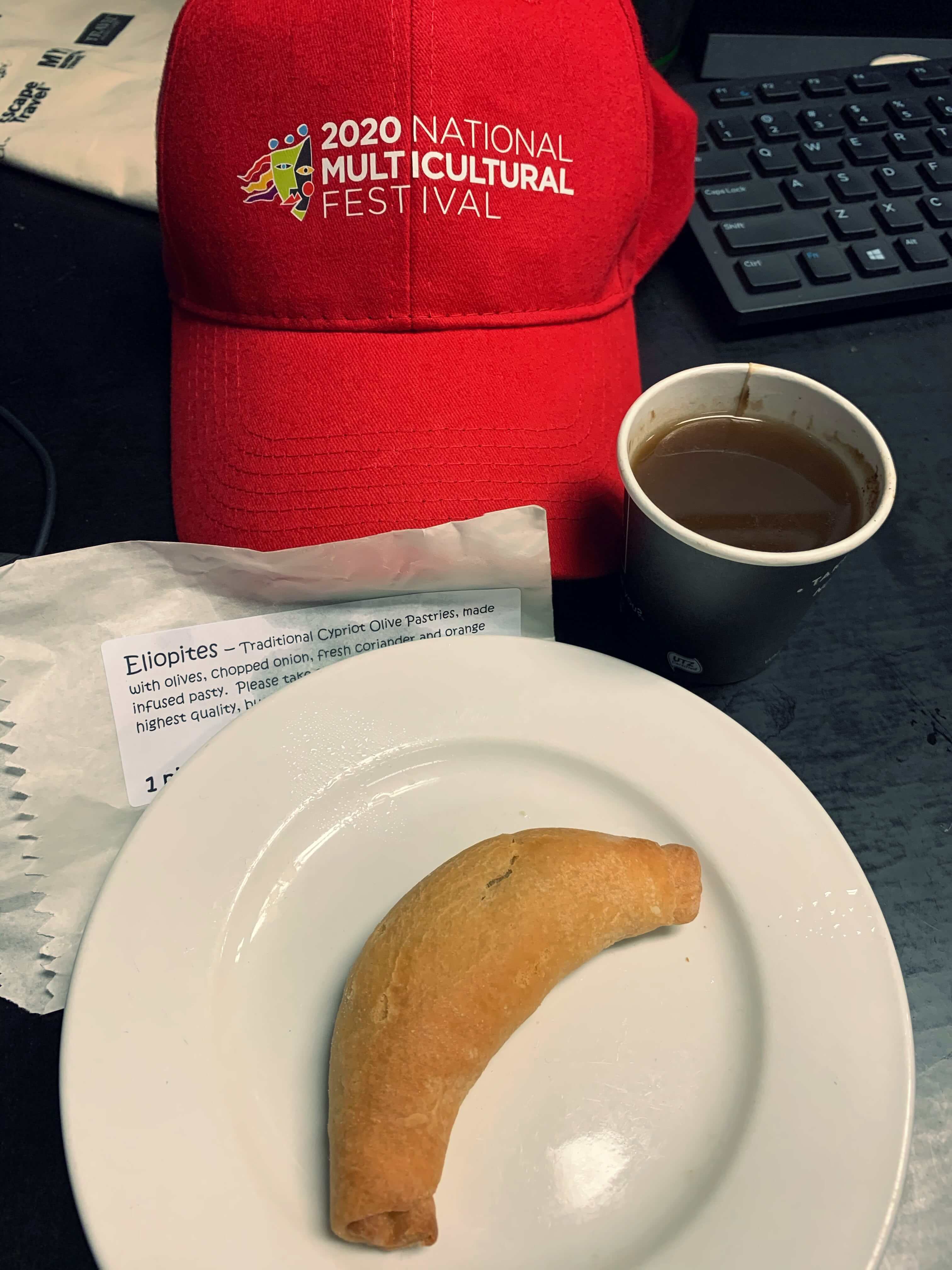
It wasn’t anything groundbreaking though—just regular black coffee—the same thing I drink everyday: fine-ground coffee powder boiled in water, served steaming hot.
Although it was neither authentic nor imported from Greece, it was unlike any I’ve had. It was stronger, and without the strange sourness of instant black coffee.
The best thing about the festival is that I could watch (gawk at) Greeks doing the Zorba dance (such grace!) and then later talk to a woman about the tradition that’s Greek coffee.
Much like the Turkish, Serbian, Armenian, Cypriot, and Bosnian coffee, the Greek version is also boiled in a tall metal pot called, that’s right, a briki. The coffee isn’t filtered and so when I received the cup with gracious thanks, masking my disbelief at the smallness of the serving, the dregs swirled around, rapidly gaining weight, sinking to the depths of the cup’s under world.
Saying that it’d take a while for the grounds to settle, the woman advised me to drink it slow and warned not to drink the “mud”.
The reason?
In Greece, once people finish their coffee, they turn the cup over and read dregs—much like tea leaf reading in many real and imagined cultures.
Because it’s so hot, the coffee promotes conversations in social events. Greek coffee is an accompaniment for afternoon(ish) tea gatherings. Not a bad thing—forcing people to talk to each other while waiting for the damn coffee to cool down. That would’ve prevented people from chugging it and rushing away from over inquisitive aunts and uncles.
Clearly, this all before the mobile phone era. Then again, aren’t most traditions?
Appreciation

Breathe, take a moment,
sip, and savour what you have—
love life like coffee.
 The Chaos Within