The Time Factor

“No one can see the future,” some say.

But what if you could?

We’ve all have that fantasy: To know the future. How we’d be fifteen years from now. Where we’d live. Whether Trump would become president, whether ISIS would conquer Europe, or whether J.K.Rowling would write a part nine of Harry Potter. On a warm night, when you’re gazing at the dark sky studded with stars, you can’t help but wonder…

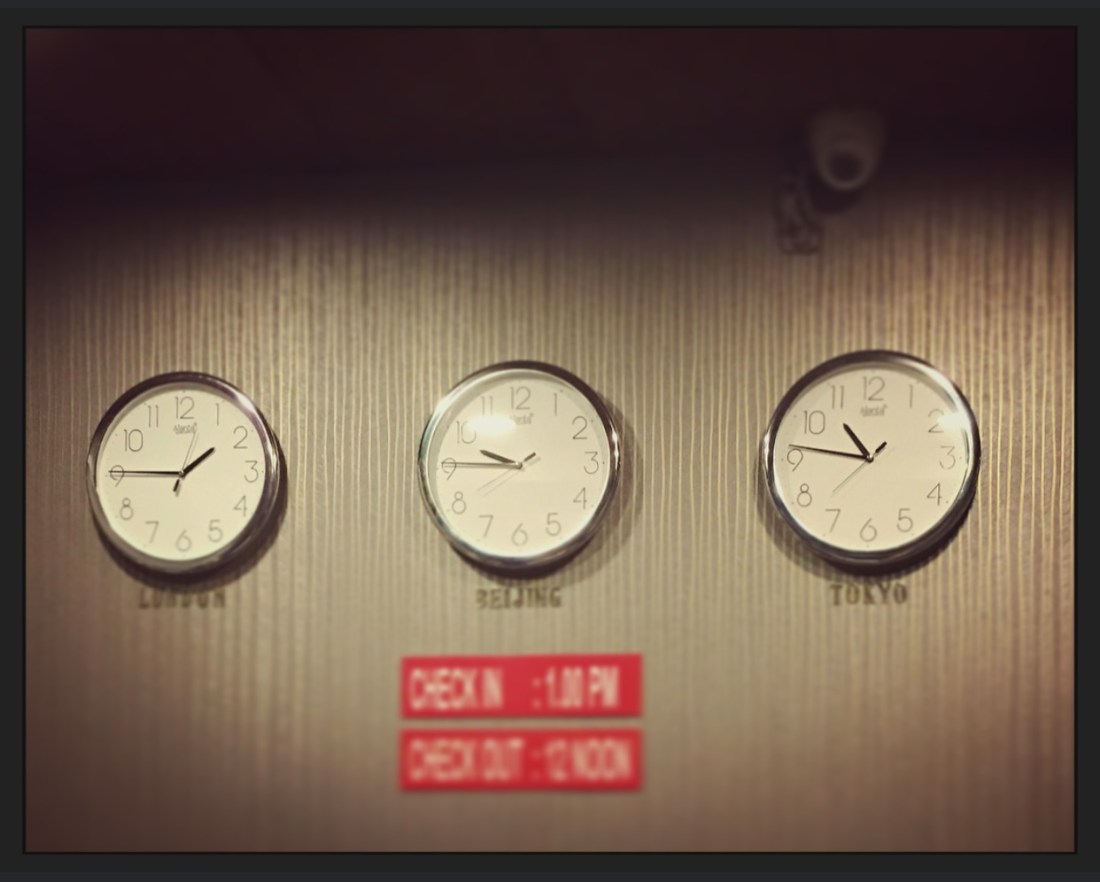
But then, sometimes you don’t need a summer night and glittery stars. Sometimes, just the clocks would do.

clocks


Tea Talk

Sometimes, to understand some things, you have to be there. That’s how Darjeeling is. I had to be there to realize what the most talked-about tea was all about.

It’s just tea. But the mystic romanticism involved with Darjeeling tea is enough to make any dog out peep through the window.

That’s why I had to know what the ruckus was about. From my research, I learnt that locals add unsalted butter to their tea. Well, with plummeting temperatures, they need to be bulletproof of course.

We never got to try it though. It could be because we were just a fancy group of people walking around with flashy phones and discount DSLRs, pretending to be professionals. Typical tourists tend to put the locals off.

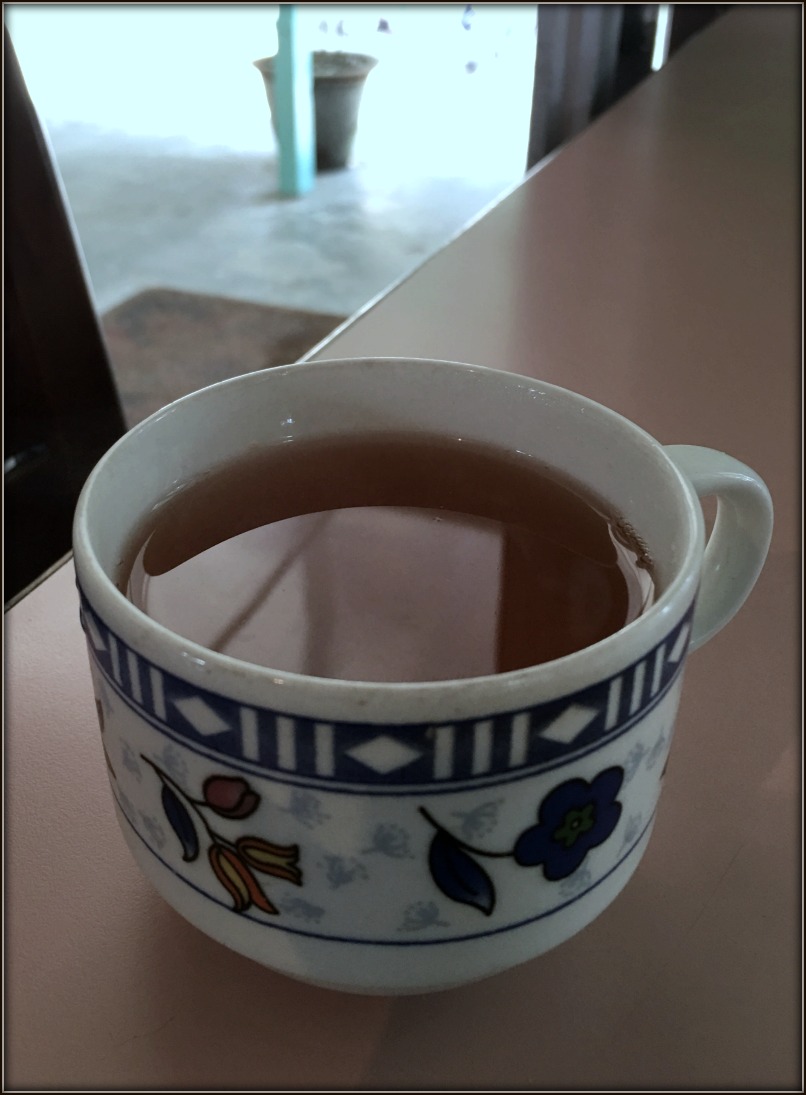
Nevertheless, there was tea. There’s always tea.

cups

But it was commercialised tea. Good, yes, but some shops denied justice to the perfect combination of milk and water. Because milk does’t suit Darjeeling. We shouldn’t have expected a perfect cup of tea with full cream milk and two spoons of sugar.

When in Darjeeling, you should drink tea without milk. As for the sugar, maybe a little. That’s the essence of tea in that hill.

I love tea in all forms. I adore the strong smell wafting through my nostrils, invigorating the brain all the way to the last bone. And the earthy flavour that lingers in my throat, even hours afterward.

Milk just ruins the whole experience. At least in Darjeeling.

As an avid tea-fanatic, I can vouch that colour is most important while drinking tea. And if you like your milk strong, you can’t have your tea as strong. Darjeeling is famous for leaf-based tea, and not the dust that’s common throughout the rest of India. That’s what makes Darjeeling tea unique: It’s all leaf and no powder. And that’s why it needs to brew, not cook.

Tea making is an art. Making Darjeeling tea is another one altogether. It’s a process: You put the pot to boil, and wait for the bubbles to pop up, threatening to evaporate all your water. You switch off the stove, and let it sit for a few seconds while you measure out a few leaves. Sniff in the scent of fresh toxic before throwing them into the pot and closing the lid.

And then you wait.

For a minute or two. For the leaves to seep through the heat, to distil the purest of flavours, and transform plain water into a royal drink. Then strain and enjoy. It’s worth the whole 2 minutes you’d have spent standing by the pot.

tea

But making Darjeeling tea isn’t as easy as four steps. Let it seep for an extra few minutes, and you’d end up with some bitter tea that’ll make you feel like a dethroned royal.

Despite that, I bought back five packets of Darjeeling tea. I know, some days would be bad tea days. But every day, I’d be royal.

Editing Hurts

As someone who’s spent the most of her free time writing crap and reading about how to write, I can claim, with certain authority, that editing hurts. Not internal editing, mind. That’s an undeniable part of every writer. I mean the external editing. The proofreading. The extra pair of eyeballs that eye your writing. And it does not help that the extra eyeballs are so focussed on putting you off.

Because editing hurts.

It hurts to write a 200-word piece where you think and rethink each word, each phrase, every pause, and punctuation, just so that someone else (who knows nothing about the effort you’ve put in) comes up and sweeps away all your work down the drain.

Editing hurts.

I’ve spent my whole life fantasising. I want to publish my own novels. I want to write, and write what’s right for me. And for me, writing is personal. It’s my democracy. For me, by me. But not everyone thinks so. As long as I wrote pieces beginning with “Dear diary,” I could write anything without anyone’s interference. But once I moved out into the light, once I started craving the appreciation that good writing deserves, I came under the spotlight of editing. I had more balls than ever, eyeing my work. I had more colours in my page than I liked. My blogs started looking like an ethnic clothing brand, and my sentences had less of me and more of others.

My writing had improved like never before. But, editing hurts.

It hurts the writer in me who spent sleepless nights scrolling through quotes on Twitter that egged on writers with promises of isolation and unlimited caffeine. Writers are an elite, I learnt. And the internet became an endless stream of encouragement: “Writing is a lonely job,” “Writers write about depression, because they’re depressed themselves,” “Writers write it better than saying it.” It was a glimpse of a life we, as writers, should grow to expect. And I expected that. Until I was proven wrong.

Editing hurts.

So much so because editing is collaboration. Which contradicted everything the internet had fed me. It puts me in an awkward position where I had to “collaborate across borders,” come up with “out-of-the-box” phrases, and share documents “on-the-go.” I used to be a part of a group that revelled in veiling itself. And then, all of a sudden, I had to come out into the open and volunteer to vulnerability. Because — the greater good.

And that’s why editing hurts. It improves me, it improves my writing, and it gives me a clearer view of what I say. But it kills the elite. It destroys the isolation that I’m so used to.

And what does that mean to me, a self-writer? I publish refined content, which —like fast food— feels good, but is stripped of natural goodness.

But what does that mean to me? It makes me doubt my writing. I get lost without my editors. What if I make a mistake, or use the wrong punctuation? What if there’s an easier way to say something?

What if I get so scared of publishing bad writing, that I stop writing altogether? Just like in food, too much of refining makes you sick.

And that’s why I still rely on this blog to keep me sane.


Of Madness

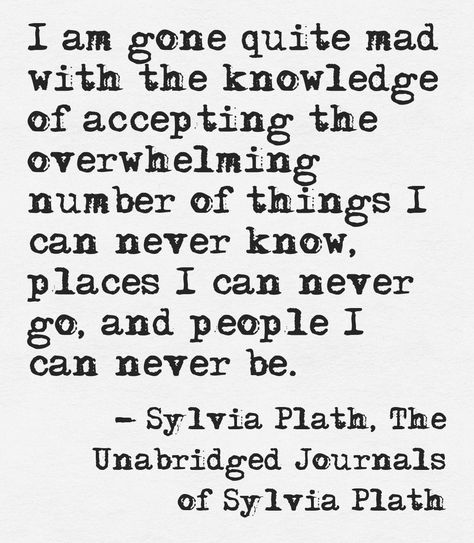
Sylvia
Image courtesy: Pinterest

The heart yearns. To go places, to see things, and to delve in knowledge worth delving.

But sometimes, you can’t do more than you can. Sometimes you have to bow your head and accept: Life’s a game of cards, and you got the Joker. It’s all part of the larger truth.

And it will make you mad. You could either let it kill you, or let it motivate you to thrive through the madness.

And I choose the latter.

It’s Not for All

To write is —

to trick yourself,

into believing you can.

to show weakness,

and persist inspite of it.

to welcome shame,

with wide arms and smiles.

to string words,

that end up stringing you.