
For ages now, cinema and advertising have given us flowers. But we never wanted flowers. We crave the freedom and luxury in simple joys.
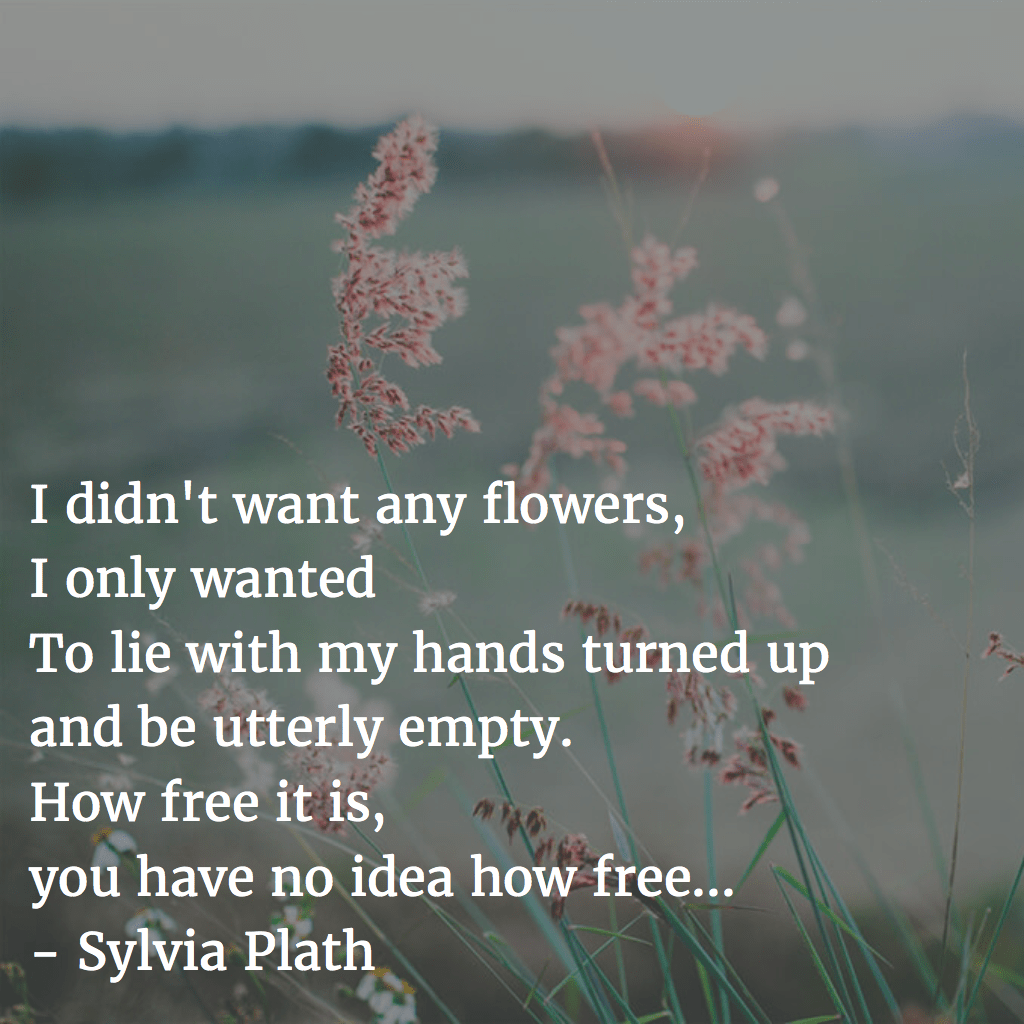
For ages now, cinema and advertising have given us flowers. But we never wanted flowers. We crave the freedom and luxury in simple joys.
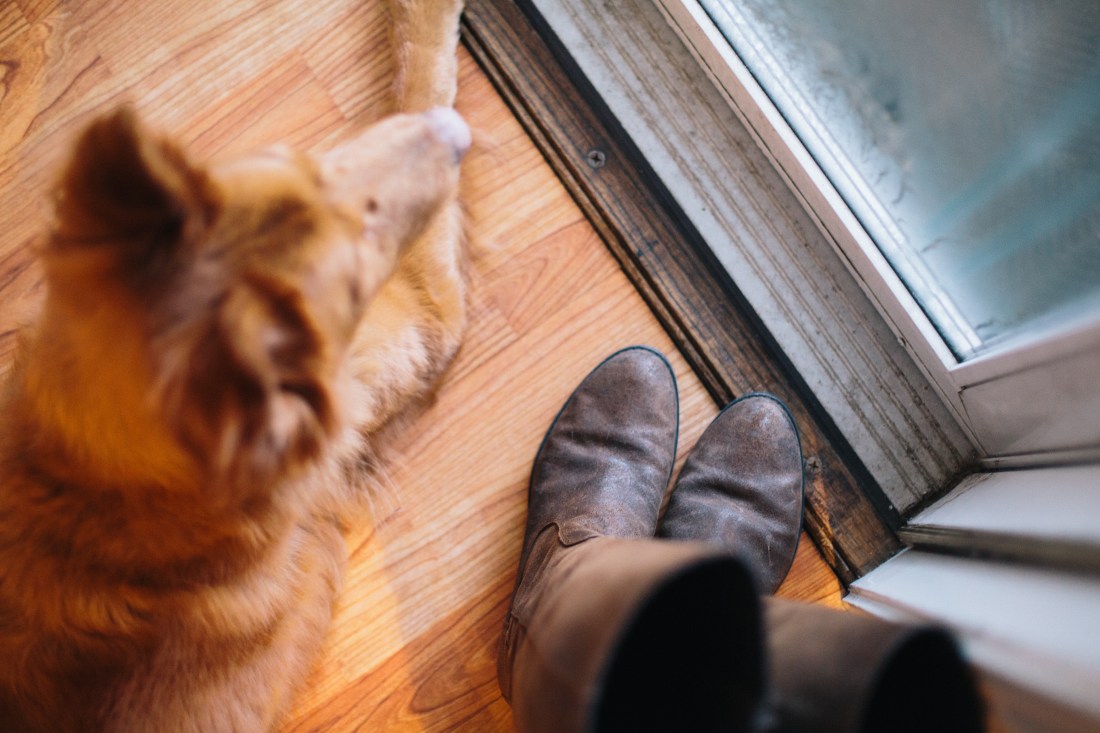
“It’s too cold out there, Mark. Go read a book. Or play with your sister. Why do always want to go out into the snow?”
Mark hung his head and retreated. His mother had caught him sneaking through the door again. It wasn’t fair. He wanted to ski, and it was perfect outdoors. Maybe he’d try again later.
Mark was a great brother. His sister loved spending time with him and sharing gossip. She even told him about her first crush.
His mother was proud of him too. He was the ideal son, a good brother, and a gentleman in the making. So unlike the man in her life who had left her to chase his passion — never to return. But Mark was different. He was always there to care for his family.
Until 92′.
“I’ve got a chance to participate in the Winter Olympics preliminary round,” he announced, his voice echoing through the room.
Catherine remembered. Her brother used to clean up his snow-smudged shoes every morning.
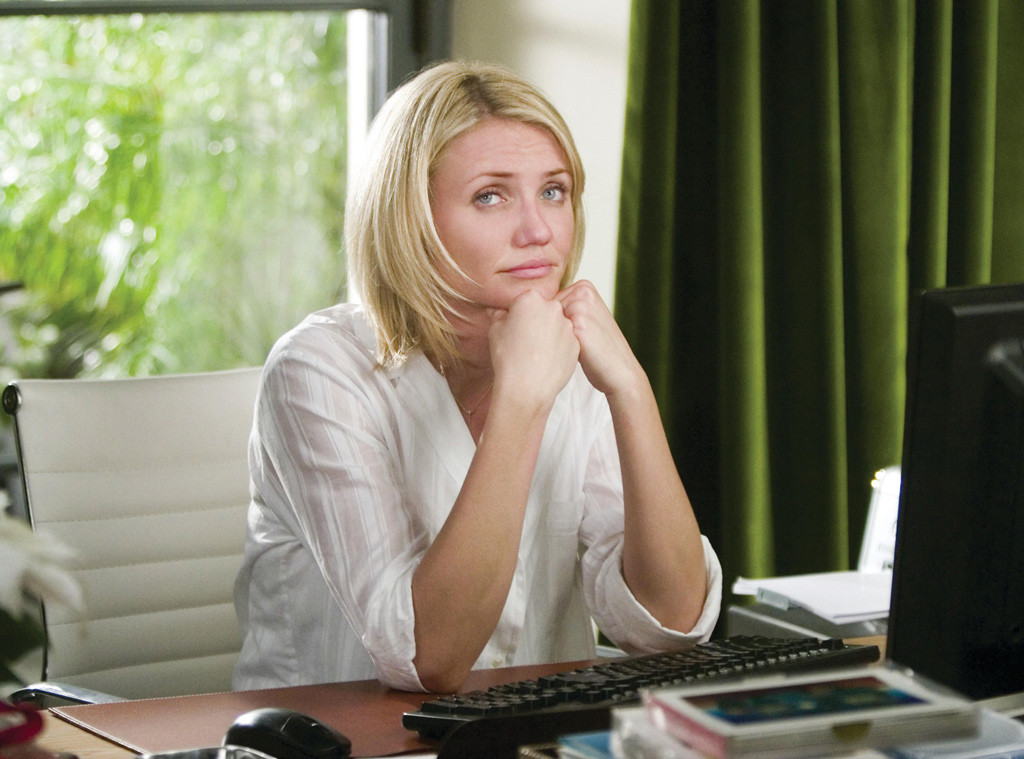
She never quite liked that word. She didn’t like the way it rang in her ears; the way the sound lingered, echoing. Every time someone uttered that word, it took her back to her childhood.
Her father would call her that, every crack of day, every close of day. He used it as a nick name when he shoved her into her room, tucked her into bed (grinding his teeth as he did so), and when he passed her the plate of omelette — with a clatter that alarmed her dog.
Every time someone uttered that word, she’d close her eyes to see her father’s beetle eyes loom back at her.
People thought she hated being called sentimental.
But it was the “mental.”
She paced up and down the platform. She looked up at the wooden clock, tick-tocking at the most gruelling speed. She looked down at her feet, at her favourite shoes. It always helped her get through the queue at the hostel.
She turned back to see as far as she could. Still no train. According to the “Voice,” the tain should arrive any moment. And that was fifteen minutes ago.
She threw her arms up in exasperation and went back to sit on the bench. She took a book out from her bag, opened it, and stared at the fine print without taking in a word. A friend had demanded she read the book, and she’d been meaning to. Only, she hadn’t been able to get through the first page.
Now, however, she had to read it. A 12 hour journey with an iPod full of songs and no other books, she was ready to get this journey over with.
She still stared at the first line.
“It was the best of times.”
‘As if!’ She wondered to herself tearing her eyes away from the page, and turning to where her mind wandered: the winding track. Straining her ears for the faintest of whistling, she longed for the train that would take her home.
None came.
There’s something so disturbing, yet divine about death, devastation, and destruction.
If that makes me an evil an twisted sadist, so be it. I’m addicted to war poetry. And in a world that’s addicted to war itself, that’s saying something.
Anything about young soldiers dying before their time, having their lives sucked out through their rifles, and soul-less bodies strewn across no man’s land, is so powerful that it makes me crave more and more. It’s pain, but it’s gratifying. It’s sorrow, but it’s a lesson. It’s proof of what we, as a breed, are capable of, of what I could do to my neighbour if I wanted to.
It’s scary to read Sassoon, Owen, and Tennyson. It’s scary that mere words on paper can bring to life the worst acts of terror we inflict upon this world.
And it’s amusing how even after pulling so many meaningful lives apart, we’re still willing to walk the same path. Every time we raise a weapon, every time we declare war on war, every day since the first boy was killed in action, we’ve been doing the same, wishing for a different outcome.
And even if we do get a different outcome, does it make a difference to the soldiers dreaming of firelit homes and clean beds?
Alas. Thus is the way of the world.
Dreamers
Soldiers are citizens of death’s grey land,
Drawing no dividend from time’s to-morrows.
In the great hour of destiny they stand,
Each with his feuds, and jealousies, and sorrows.
Soldiers are sworn to action; they must win
Some flaming, fatal climax with their lives.
Soldiers are dreamers; when the guns begin
They think of firelit homes, clean beds and wives.
I see them in foul dug-outs, gnawed by rats,
And in the ruined trenches, lashed with rain,
Dreaming of things they did with balls and bats,
And mocked by hopeless longing to regain
Bank-holidays, and picture shows, and spats,
And going to the office in the train.
— Siegfried Sassoon
 The Chaos Within