
People Don’t Know What They Want

people-dont-know-what-they-want-steve-jobs-quote

Sometimes in life, you just get used to the way certain things work. You take them for granted and, for some reason, you start believing that’s that’s the way things should work. Like personal laptops, for instance. I love Apple, but I couldn’t afford an Apple product until I started working. That’s when I got the office Mac. Despite its hefty price tag, the Mac was breezy. The near-unattainable beauty was darn easy to get used to. I fell for the Mac the moment I touched it and the cool metal sent electric excitement down my spine. It felt sleeker than the “tick-tock” of my previous Windows laptop.

The Mac was a class apart from every piece of technology I had seen before. It wasn’t just its cool exterior; I was in awe of everything that came with it, too. When I tried moving from one window to another for the first time, the Launchpad popped in out of nowhere. I was taken aback before noticing the search bar on top. It was like my Mac knew I was lost and needed to find my way through a mass of apps.

I love Finder’s eagerness to find anything on my system, from the smallest file I’d saved years ago to the last website I opened a while ago. And the first time I shut my Mac off, I spent a good couple of minutes trying to close the Finder, only to realise later — with such thrill — that you can never quit looking for answers.

Then came the shock of the inverted scroll. What was shocking, though, is how natural it felt to scroll against Windows. For too long I’d used Windows without noticing that the other way made more sense. I now I cherish Mac’s re-invented inverted scroll, not to mention the way a document bounces back when you’ve scrolled all the way. It’s the little things that matter the most, and it seemed like Apple had thought of them all.

And then there’s Safari, without a doubt, the best browser I’ve ever used. Not just in terms of beauty and slivers of silveriness, but also the way it sympathises with a user. I always go for full screen, and when I move my mouse pointer towards the top to switch to another tab, it works fine without affecting my experience. What wasn’t fine, though was when I did the same in a more “hip” browser. There, the system menu showed up, hiding my browser tabs for a while. I went back to Safari to check how it handles the situation and found out that it doesn’t hide the tab names in the browser. And that’s where Safari is better than every other browser I’ve used.

Here’s the thing, though, I wouldn’t have noticed the obvious flaw in the other browsers if I had continued to use only those. I would’ve adapted and believed that that hiding the tabs was the only way to handle the case.

But the Mac showed me an alternative — a better version. We’re so used to adapting to what we already have, that only when something better like the Mac comes along do we realise we shouldn’t settle. Perhaps that’s why Steve Jobs was a visionary.

Resistance

Martha was the pickiest eater her colleagues knew. She’d decline late-night parties and would never go to the hot dog stand. She ate from her packed lunch, often some chicken and quinoa, oatmeal and fruit, or whole-wheat tortilla with meat.

When they went for lunch treats, Martha would choose salad with dressing on the side. Her team would roll their eyes and “LOL” to each other while she’d pick on her salad, looking unperturbed.

But unknown to all, Martha had a poster of mascarpone pizza in her bedroom, right next to a photo of her obesity-stricken family.

And All’s Well Again

December 26, 2004 — a great Tsunami wrecked everything in and around the Indian Ocean. The calm sea rose above crashing into the lives of those who revered the ocean as their god.

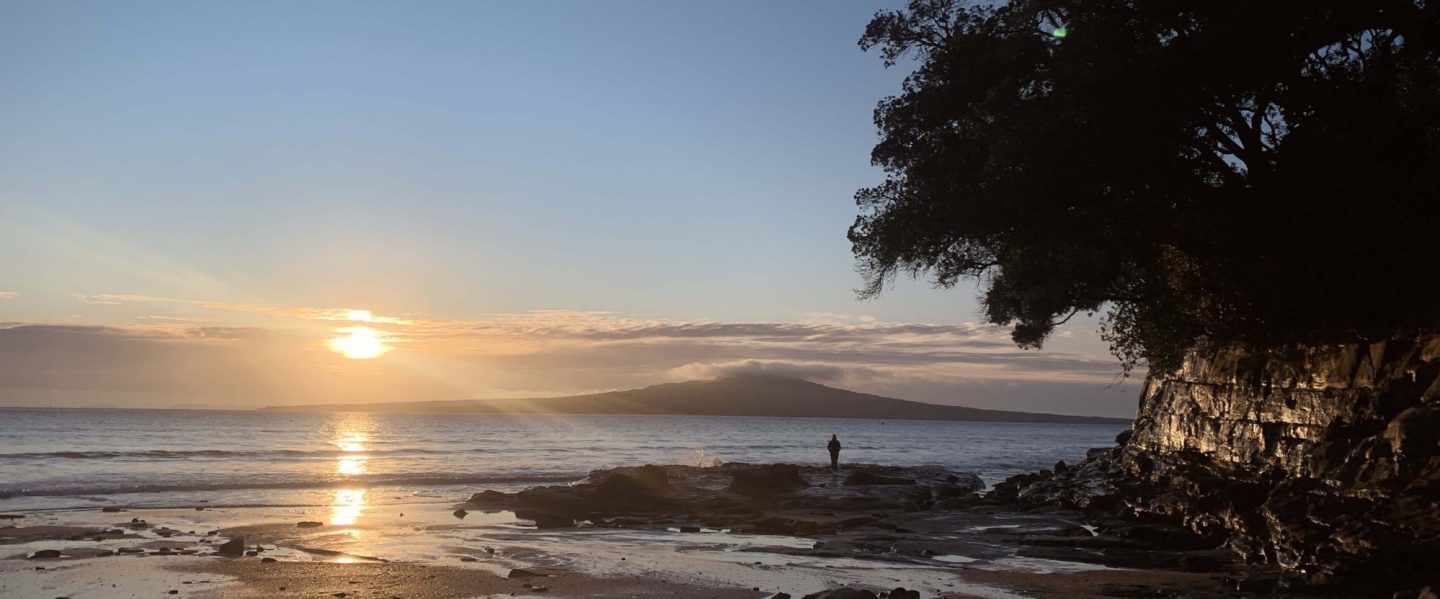
2005 dawned unwelcome as millions mourned the loss of their love, life, and lifestyle. And yet, 12 years later, the sea shows no sign of the monstrous face it displayed then. It looks as calm as ever, unthreatening and loveable.

I wonder if there’s anything as resilient as the sea. It transcends its limits, transforming into a fierce beast, only to go back to its calm and unassuming state.

the-sea

Write like Theatre

Practice is key. A performance artist doesn’t blow us away on a whim. No one can play a part for an audience unless they’ve played the part before. For the sake of one day’s show, performers practice for days, morning and noon, under lights and beneath makeup. Nothing goes out in one day and turns out successful.

A writer is also a performer. I write copy every day for websites, blogs, ads, and social media. But I never sit down in front of my computer and write the best line the first time. My best writing doesn’t pop out of nowhere; I need a warm up run first. Every day, I need to practice for show time before I dress up. I need a rehearsal, a prelude for what I’d do for the rest of the day. Because for a performer, every day is show day. For a writer, every day is a big day.

It may seem like theatre artists just breeze out and put on the best show of their life. But spontaneity is overrated. What appears spontaneous to the audience is meticulous practice on a day-to-day basis.

Theatre artists must practice every day before the show begins. And a writer must write every day before the day’s work begins. It’s a way to flex those stiff finger muscles and ease into the task of feverish typing that awaits them through the day.

Every morning, I practice on my blog. I write to get my thoughts under control. I write to bring motion back into my palms, to stretch my arms, and to get the shit out of my head. Then I edit. I go back to the first sentence and try to make it make sense. I catch a few typos and add a couple of puns. And once I’m done, I’m confident that I’ve practised enough to do more, and better, writing.

That confidence exudes at show time. Once artists are ready, they can walk onto the stage and put on a great show. Theatre or writer, toiling efforts behind the curtains — away from the world — makes successful whatever’s in front of the curtains.