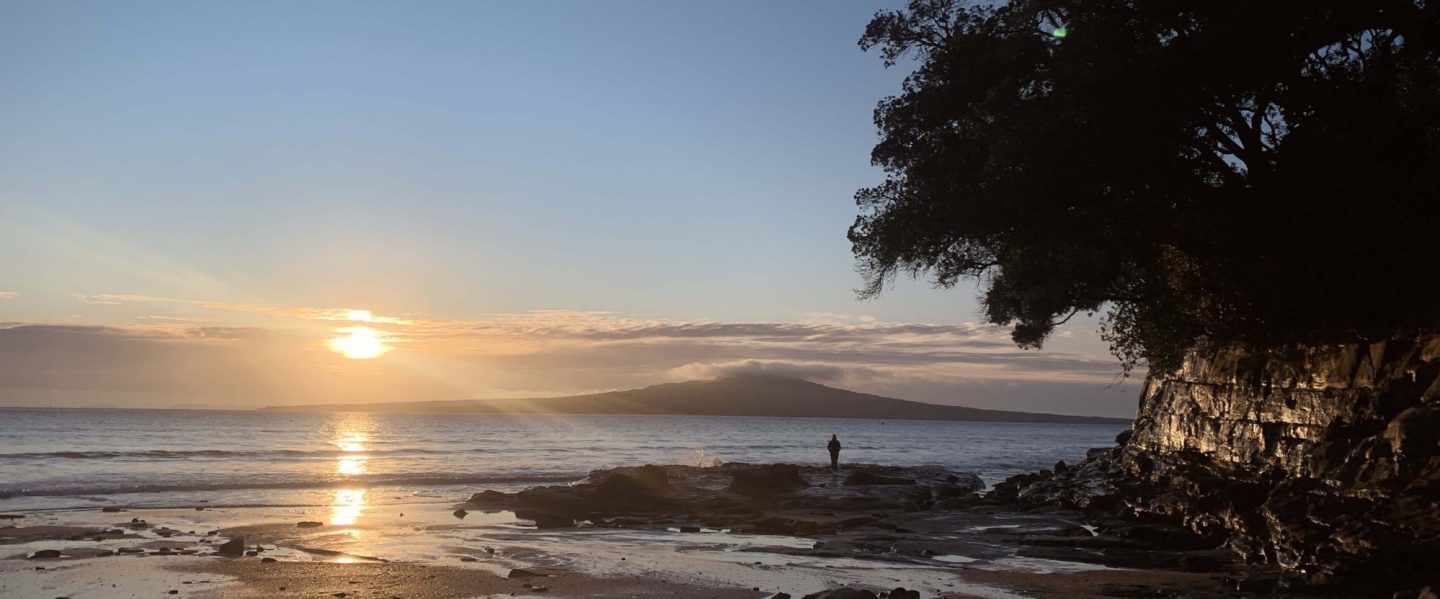

you’re always in front of me
every time we go out
you walk ahead
strutting along, a know-it-all
playing the guide, a role
as a warrior father
mean protector
for a shady, puny figure

but honestly,
you’re just in my way
blocking my sight
overshadowing

what am I, a child?
am as good as you
a little darker, perhaps
and shorter sometimes
yet weaker—never!

a puppeteer you are
waving arms amok
yet I do follow
like a puppy its master
trudging along
wagging after

behind you always
helplessly
like a slave
a snake
dancing to your tune
your bidding
biding my time...
—
echoes a whisper in my ear
grazes my cheek
rise with me
it says lifting my limbs
my spirits
above humans, petty peeves
and I rose
for the first time
over your head, ahead of you
midday is my dawn
shadow my name
Tag: lifestyle
The feeling of home
It’s been just over two months since I moved to Canberra, and I’ve at last started to feel like a local.
It’s nice too—I can now walk to the shop nearby without having to look at a map ten times along the way. I like knowing how many signals I need to cross before reaching the mall, and which entrances are be open later in the night. I find myself analysing the various walkways to my destination and choosing the closest or the most scenic depending on my mood.
It’s empowering in a way that I don’t have to rely on someone or a some technology to help me navigate, to help me get through every day.
That’s the life of a local—knowing the right bus stops and the frequent routes, not because you’ve memorised them but because they’ve become part of your routine. I even shrug off the little things that a someone new in town might roll their eyes at; well, that’s Canberra for ya, mate.
But it also means that I no longer feel the city the same way as a traveller does. And I felt that way for quite a while. Everywhere, I saw something worthy of a jaw drop, a closer look, a lingering moment. Everything fascinated me, and I’d willingly walk an extra kilometre to read the street names and stare at the buildings.
I don’t do that as much nowadays. Sure, I still walk four kilometres everyday around the lake just because I want to experience the many wonderful trees and birds and noises—they’re so enchantingly different every time.
However, I also see the other side. And resonate with it.
I see the things, the little annoyances, jitters, that a common person sees. I understand more about why some people don’t appreciate the new bus routes. I loved them when I arrived—extra buses, free services for a month, what’s not to love, I wondered.
Now I know how it’s affected some people’s lives. How a small change in their schedule has toppled regular commuters who find it difficult to adjust to the new system. I’d never have understood that a couple of months ago. Now, though, I can sympathise with them. And now when the old lady sitting at the bus stop tells me that the previous bus never showed up for some reason, I realise what it means to her. And the best of all, I’m now local enough to agree with her and tell her about the time I sat waiting and the bus never showed.
It’s the little things like that that make home feel homey. My lifestyle has melded into the ways of other Canberrans, so much so that I’m now a regular spectator at a local Morris dancing practice. The dancers identify me so that if we run into each other someplace else, we’d exchange a warm hello. I have events and things to do every week—people to meet, shanties to sing, writing clubs to be accountable to—things I look forward to. Things that make living in a society enjoyable and worthwhile.
That’s what it means to be local.
Distracted
“I hate you”
you declared
stormed out
into the setting sun
that winter’s eve
through glass doors
away from me,
my reaching hand
I turned back
silent
oh, my child
I love you still
you’ll come around
after all,
aren’t mothers and daughters
just fighting cocks?
it was something silly—
but my dear,
people will dally
you were right to worry
tension’s high
big day nearby
complain, whine—fine
pray, lay off wine!
“drive safe”
text, less invasive
I hovered…
ah, beautiful shoes
perfect wedding night
complements your white
clicked my phone off
distracted.
Sought luxury for your feet
as you lost luxury of feet.
So many people
For five years, I lived in Chennai (south India), a city of 4 million. Imagine—that’s more than 10 times the people in Canberra.
I’ve been living in Canberra for about three months now, and the one thing I’m certain is that this green, bushy, mountainous, and lake-laden (words I’d never place alongside in any other scenario) city is small.
Yet I hear locals musing how fast Canberra’s population seems to be growing. I see it too—much like the ducks and swans, cranes are also an inevitable element of my everyday lake walks—expectable like the sunset. Commercial names are popping up all over residential areas, and corporates are fighting over who gets to build the tallest building and how to overcome challenges of the already-manifested leaks and rat-infested homes.
But—
I hadn’t heard of Canberra until about two-and-a-half years ago. That’s when I started planning for migration. My friends and colleagues know it now because I’m here, but they still think of it as a quaint, rather mysterious town far away from anything remotely familiar.
And aside from the clever kids who won general knowledge quizzes in school, most of the world believes Sydney’s the capital, Melbourne the corporate centre, and Queensland the Miami Down Under. Like the Tassie tigger, the remainder of this vast pool of sand is lost to the world.
Canberra is to Australia what Australia is to the rest of the world.
At least from what I observe. People come here on school trips, visiting the national museums, the parliament, the war memorial. It’s where national policies are concocted. Apart from that, Canberra’s small and boring for most people. It’s got no late life, no night lights, and not much life at all. Winters are horrible, summer’s terrible, and the average day is as bland as saltless porridge. The average person is an adulting public service worker—pointed black shoes, black trousers or skirt, shirt tucked in, and a jacked pulled over. It’s like looking at a well-directed tele series depicting the non-existent social lives of political members. They go to work, attend official meetings and gatherings, and return home to a cozy white villa, with clean-cut apple rings in the fridge, A-grade children, and a stony watchman guarding the house 24/7.
So contradictory, if you think about it. How is such a self-contained community attracting so much construction—who’s coming to Canberra? And why?
I may have found a clue.
I dread pitching the “is this vegan?” question at any place with food, because of the weird looks that accompany it. And so I’ve always avoided such situations. However, in the last month, I’ve tried to go out more—to food festivals, poetry readings, casual meetings in bars.
I wanted to meet people—the real Canberrans behind the bushy facade that most others see.
And I’m amazed every day.
So far, I’ve come across scientists who write poetry, writers who dance, dancers who sing, chemists who write songs, psychologists who study bartending, bartenders who are professors, and most recently—a full-time employee who makes fudge over the weekends—just for the hell of it (and partners with wineries to launch their vintages).
Canberra is like the secret life of adulthood. Micro breweries, cafés, bakeries, and shops support and welcome quirky hobbyists. Hundreds of small, family-owned businesses thrive here.
It seems like more and more people come here for something beyond 9-to-5 weekdays and weekend hangovers. This is a place to explore a world of opportunities. And I’m excited to be part of it.
Askew

Equilibrium
nature’s art of existence
humans’ however;

