
Cry now little one, cry now
for life’ll only get harder
the rain will ruin your dress
and the wind will mess your hair
play dates will uninvite you
vacations will be cancelled
your dolls will lose their hair
toy cars will shed their wheels
classmates will turn out bullies
and alleyways become scary
your exams will be challenging
and bitterness will rein aloud
prom night will be disappointing
embarrassment overshadowing
friends will no longer be true
and reality will seem so unreal
breakups will bring in tears
but ice cream will rectify fears
well—for a while, at least,
you’ll leave high school with a high
and soon realise ’twas all a heist
when open arms welcome you
into the world you’ll go, bravely
before you see how you’re stupid
ignorance, you’ll understand is bliss
when you don’t count empty beer cans
you’ll drive home every day, insane
damn office politics casting you down
and you’ll throw open your door
facing the bundle you left home—
that bundle of laundry pending
and the bundle of dishes still dirty
bundle in the corner overflowing with trash
while the biggest bundle’s on the couch
the smallest on the cot by your bed
why, welcome home, dear mom,
come hither it’ll wail your ear off
then, my dear, you’ll have no tears
so cry now, little one, cry now
Tag: mother
Other mother
What a mother she once was
wearing scars of child bearing
for years she nurtured them
with care that none deserved
spewing endless love across
her arms stretched, welcome
she enclosed a world within
and stood proud ever beaming
with firm grasp on the ground
a spine supporting a tall back
stood the mother many an age
though forces came her way
shaking and sucking her youth
ever unyielding, always protecting
never she’d taken any her way
for only given away all her life
until a warm, fateful day in May
kids now grown and all knowing
felled her from the roots to tip
dragging off to where she’d die
withered, weather worn, and sad
betrayed and tortured, forgotten
rested the mother awaiting a devil
the chipper that made firewood
Tell me a story
“Oh, I thought you’d forgotten!”
“How can I, mom? I just got 20 per cent off of bread on Mother’s Day sale.”
My mother thought I’d forgotten about Mother’s Day because I didn’t wish her on Sunday. It came up when I mentioned it, with the flyaway tone it deserves, in a conversation two days later.
Every street corner has a flyer or a billboard reminding us about this celebratory day. Everywhere I look, there’re roses and pinkish red ribbons cajoling people to splurge, guilting them into buying things their mothers may never even enjoy.
But that’s just the tradition of Mother’s Day. Each year during this time, storefronts and in-stores promote maternity, maternal thankfulness, love, and forever gratitude.
What a story, huh?
Storytelling is now an unmistakeable chapter in marketing books. Almost every marketer I know understands its value, speaks about it, and in public forums vouches for it. But this “trend” came about only in the last three to five years. Before that, no one spoke as much about the great tactic that’s storytelling and its role in marketing and sales.
And yet, for years, we’ve been falling prey to some of the most wonderful storytelling the retail industry has ever divulged.
Yes, I’m saying Mother’s Day is a story. And a well-said one too.
In most of Asia, children live with their parents until they get married or go off to work in a different city. However, in most of the western world, children move out of their parents’ far sooner—sometimes as early as fifteen years. That is an excellent market for the Mother’s Day story. You know how it goes: the child takes one day off from their personal life to meet with their mother, praise her, thank her, and show her how much they love her. It’s the perfect story—with the right blend of care- and guilt-inducing narrative, the story can survive generations, as we see it has. The best part? As the Asian culture adapted to westernisation, more Asian children experience it too.
In a sense, the grand narrative of being there for your mother, at least one day of the year, has become such a relatable matter for so many of us that we give in to without second thoughts.
With today’s tech growth, we don’t need one day of the year to bond with our mother. Heck, I moved to Australia a month ago, and I still call my mom twice every day. I don’t always want to—when you’re talking to your mom that often, you run out of things to talk about much sooner than you’d imagine—but I still make time to call her. She would freak out otherwise, but it’s also a nice way to acknowledge her and what she means to me.
I’m not the only one either. A lot of people I know have regular interactions with their parents. But even they follow Mother’s Day ritual because it’s just so baked into our minds, and—gosh what would people think about them if they don’t?
That’s how compelling this story is. It’s so haunting that you can’t get away from it without going through with it. And like a vicious cycle, as people fuelled the tradition every year, we’ve ended up with a generation of mothers who’re accustomed to expecting the $100 wine bottle (which they know was on sale for $89.95) as proof of their children’s love.
As a marketer, I appreciate the mastery of the storytelling. But as a child, it just makes me a monster who’s so obsessed with work that she couldn’t even send her mother a card on Mother’s Day.
Oh, well.
The visitor
“Hi mom!”
Jennifer stroked her mother’s head and left the bag of oranges on the bedside table. Waving back to the nurse who’d led her in, she slumped on the chair next to her mother’s at the centre for the aged and helpless.
“Hello,” her mother replied in a small voice, unable to muster enough energy to speak or extend a smile beyond centimetres. She remained silent for the rest of the hour. With all hope of seeing the outside world gone now, she often took short walks only within the corridors or, on certain good days, the garden. Years had weakened her Parkinson’s-riddled body, and her once-bulletproof memory was now letting go.
Jennifer couldn’t have cared for her on her own. But alas, the world knows only to blame.
“See you tomorrow, mom.” Sighing, Jennifer kissed her mother’s forehead.
“Bye, Laura.”
Laura was one of the three nurses who took shifts to provide her round the clock care.
To the other side
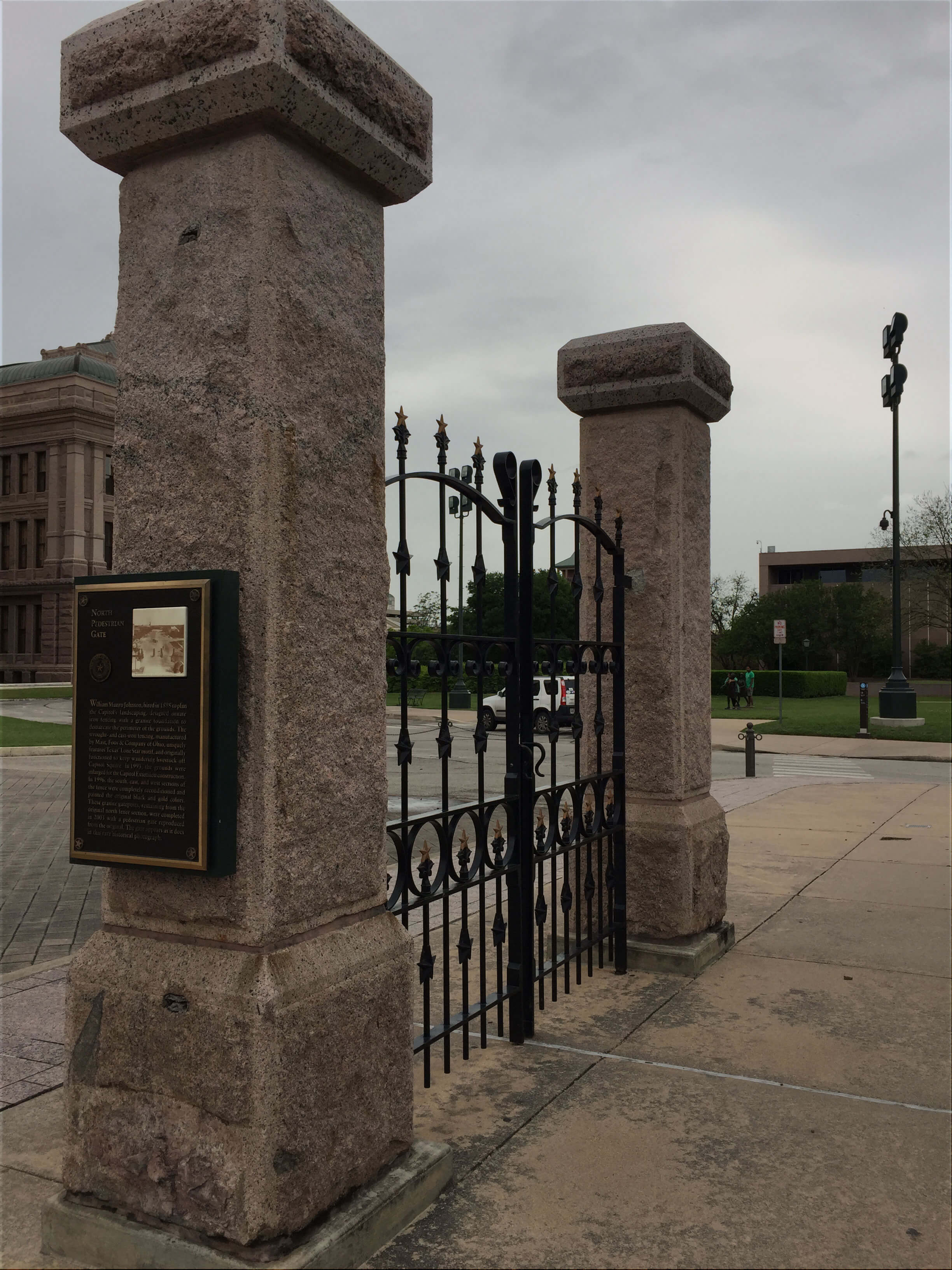
Through the gates of hell
goes every mom in labour
gateway to heaven
 The Chaos Within