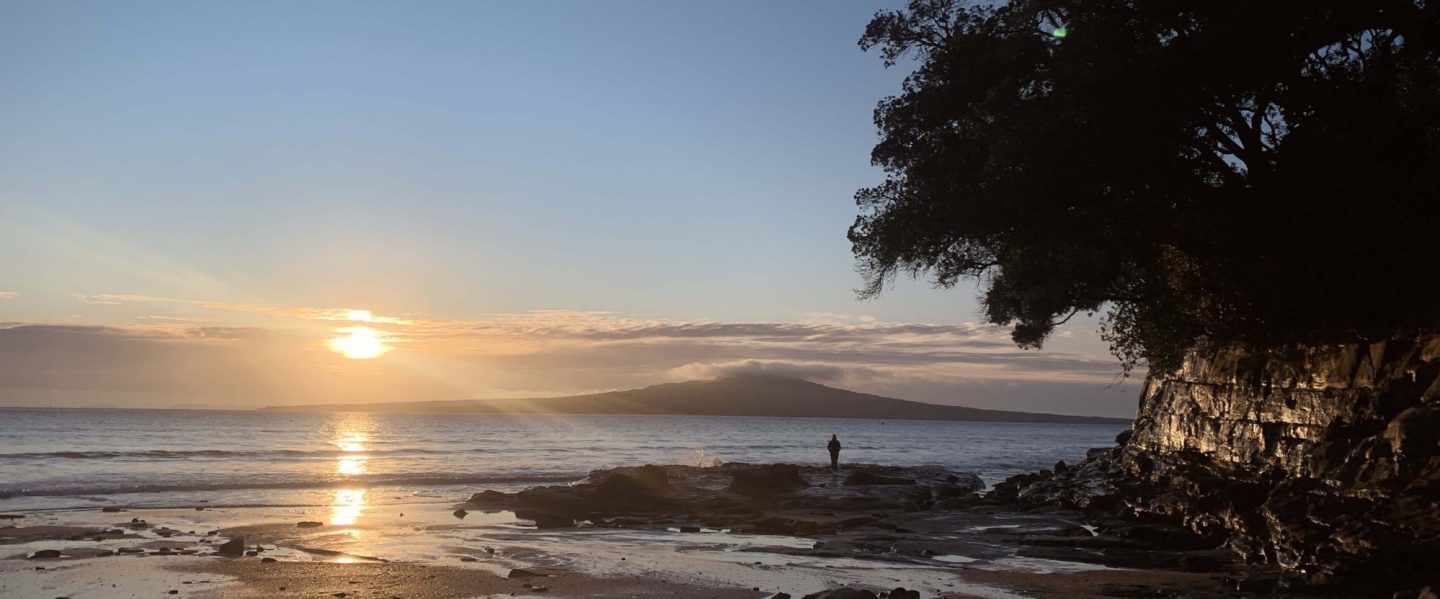


As cascading rains,
savour life’s seeping moments—
a step at a time.
As cascading rains,
savour life’s seeping moments—
a step at a time.
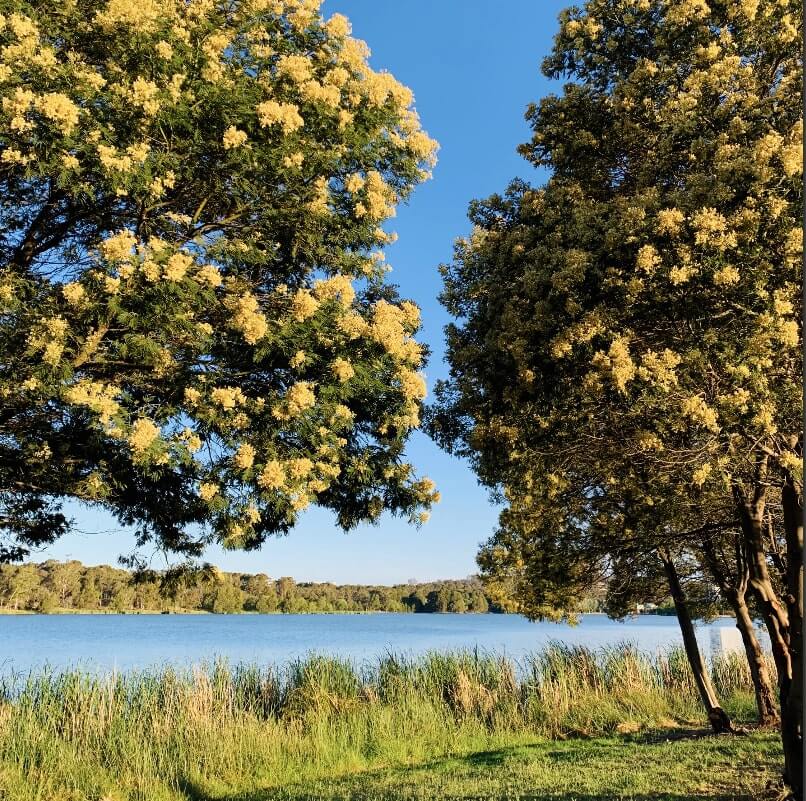
As in life, nature,
contrasts coming together—
shedding harmony.
I’ve written about Australian wildlife being wild and at times, aggressive. Magpies swoop down on runners, bicyclists, and pedestrians even potentially leaving in their wake painful holes in heads and a bloody mess. All over the country, crocodiles await adventurous wanderers, kangaroos could become too friendly and shove all their weight on you, and venomous snakes slither into your home, making themselves cosy under your bed or on your toilet.
Even ducks waddle their way up to you wanting to pick a fight.
However, all of this is book knowledge. I’ve heard stories of others’ homes infested with eight-legged monsters, injured pedestrians keeling on footpaths nurturing magpie wounds, and countless other incidents that curdle your blood.
But you never understand it until you experience it yourself.
As I did today. While I jogged down my usual route by the lake, a woman walking a few yards in front of me shrieked. It all happened fast—by the time I realised what had happened, she’d recovered, a man walking behind her had helped her avoid the magpie’s talon. She held what looked like a leather bag that probably shielded her. The two of them quickly walked away while the magpie settled itself on a light pole between me and the path ahead.
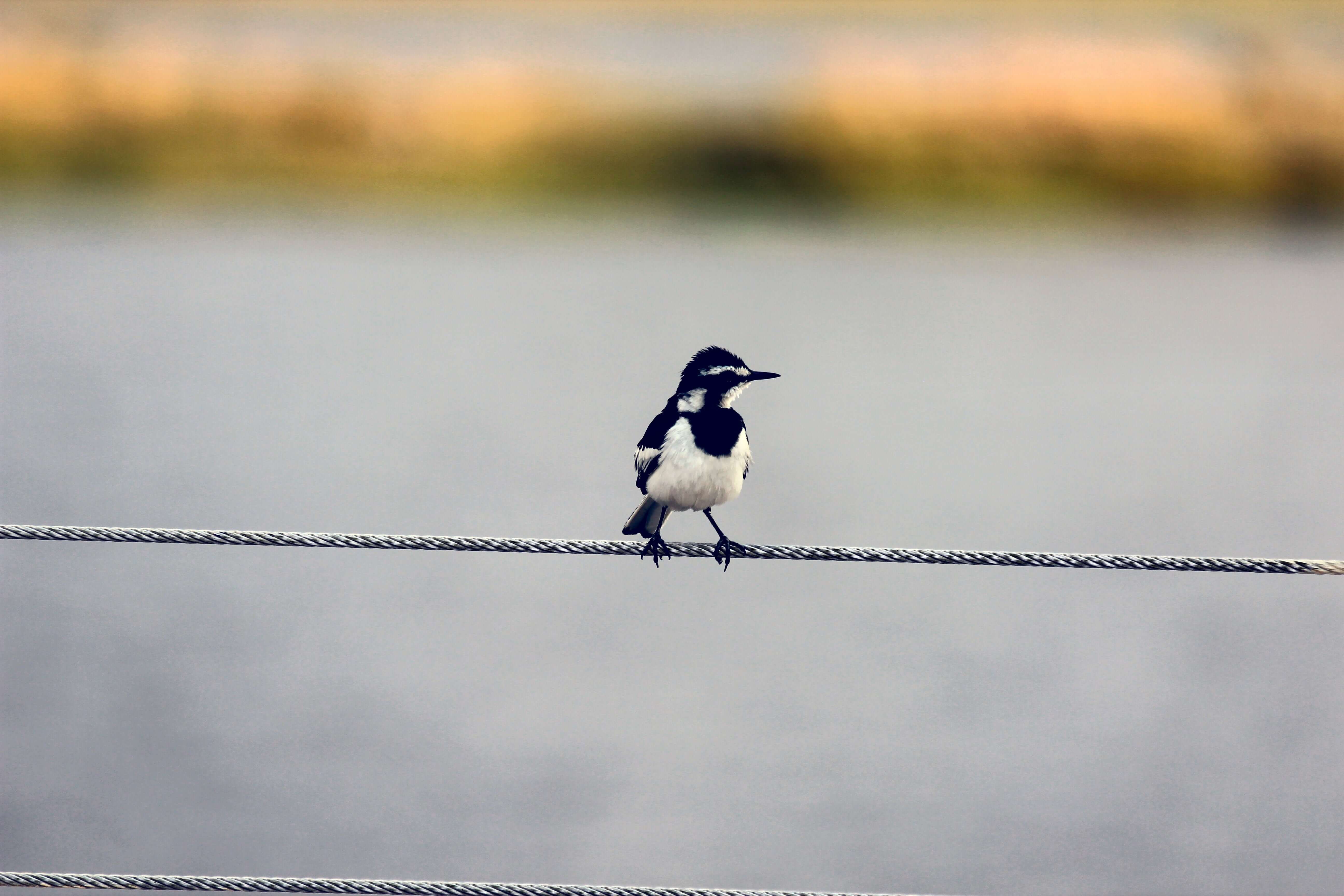
I’d stopped jogging, my heart in my mouth. It seemed harmless. It was just a tiny bird sitting on a pole, watching the world beneath it. Nothing about it suggested any hatred towards humankind. And yet, as I watched, a cyclist pedalled his way towards me from the opposite side. As he rode under the pole, the bird screeched, bent its knees, and lifted off towards the bobbing red helmet.
It was ferocious. The cyclist didn’t deter even for a second. He rode onwards, steady, and almost oblivious to the potential death hovering over his head.
In a split second, without thinking, I took off. Seeing as how the bird chased the cyclist going the opposite side, I ran straight ahead, hoping it would be distracted long enough for me to escape.
But of course, nature is smarter than humankind. I ran like Phoebe, and the bird chased after me wailing and sending shards of panic through my entire being. I hadn’t run like that since my relay races in fifth grade.
As the bird’s cries died down, I slowed and stopped. From behind me came huffing noises, and I turned to smile surprisedly at a runner. She looked far more seasoned than I, and she slowed down long enough to add laughingly, “they went for me, too when I came in earlier.” And she went on as if nothing had happened.
For her, and the cyclist, it was just another morning.
Australian wildlife is crazy, but Australians are crazier.
Photo: Joel Herzog on Unsplash.com

Sticking out oddly,
personifying weirdness.
It’s nature’s intent.
In the few months that I’ve lived here, Australia has taught me a lot of valuable lessons. For instance, I learnt that the pricing system is not systematic at all, and even a bunch of bananas could double in price overnight. I learnt that people here can handle extreme, dry heat, but haven’t the faintest tolerance to spice. Everyone’s way more active and outdoorsy than I could’ve imagined—they bask in the sun wining, bike across an entire state, walk 8 to 10 kilometres as an everyday commute, and run up to 10 kilometres every day just because they can.
But the most crucial thing Australia has taught me is to give nature the respect it deserves.
People say anything in Australia can kill you. Even the sun—it can burn through and cause skin cancer, or it can ignite bushes as it does every year, leaving devastation in its wake. Equally dangerous are the animals. Not only is this country home to some of the world’s vicious, venomous snakes and spiders, but it’s also a haven for aggressive insects and birds.
Swooping magpies are a seasonal menace. Every year around mid-August, news sites flash warnings and incident updates in big, bold headlines. There’s even an official website that shows live updates on magpie swooping: https://www.magpiealert.com

Cyclists, joggers, and pedestrians are warned to be extra cautious and avoid tracks that’ve had swooping accidents. Once, while walking past a university building, I came across a poster on the sidewalk announcing magpie sightings and suggesting alternative routes. There were 1500+ attacks this year, just halfway through the season.
Although it seems as if anything Australian is out to get you, magpies are also widely misunderstood. They don’t always swoop and scoop out people’s eyes or pick at their ears or poke into their foreheads. They, like most living creatures, swoop in defence. And they do so only for six weeks—the period when their eggs hatch and the chicks find their feet.
It would still hurt, though, to be on the receiving end of a magpie’s beak. Deaths aren’t unheard of either.
But ducks should be fine, eh?
Apparently, no. It came as a surprise, but in three days, I was almost attacked by ducks twice. Those squishy-looking, waddling, quacking, seemingly-harmless creatures can flap their wings quite ferociously when they want to chase after you. And to think I grew up pitying the ugly duckling in the children’s tale, empathising with the helpless outcast! If only I’d known what little brats they could be.
When I looked it up, I realised that drakes—or male ducks—are aggressive either to show off their alpha-ness or to express interest in mating. Ah, what vain creatures, ducks. So much like humans.
Musing about how natural elements naturally want to harm humans, my respect for the earth swells. It’s proof—despite all the technology and the modernity that humankind has injected into the earth, it continues to demonstrate how easily it can overpower us.
Nature is a force to be reckoned with. Denying that will cost us dearly.

