Made to order, made in order

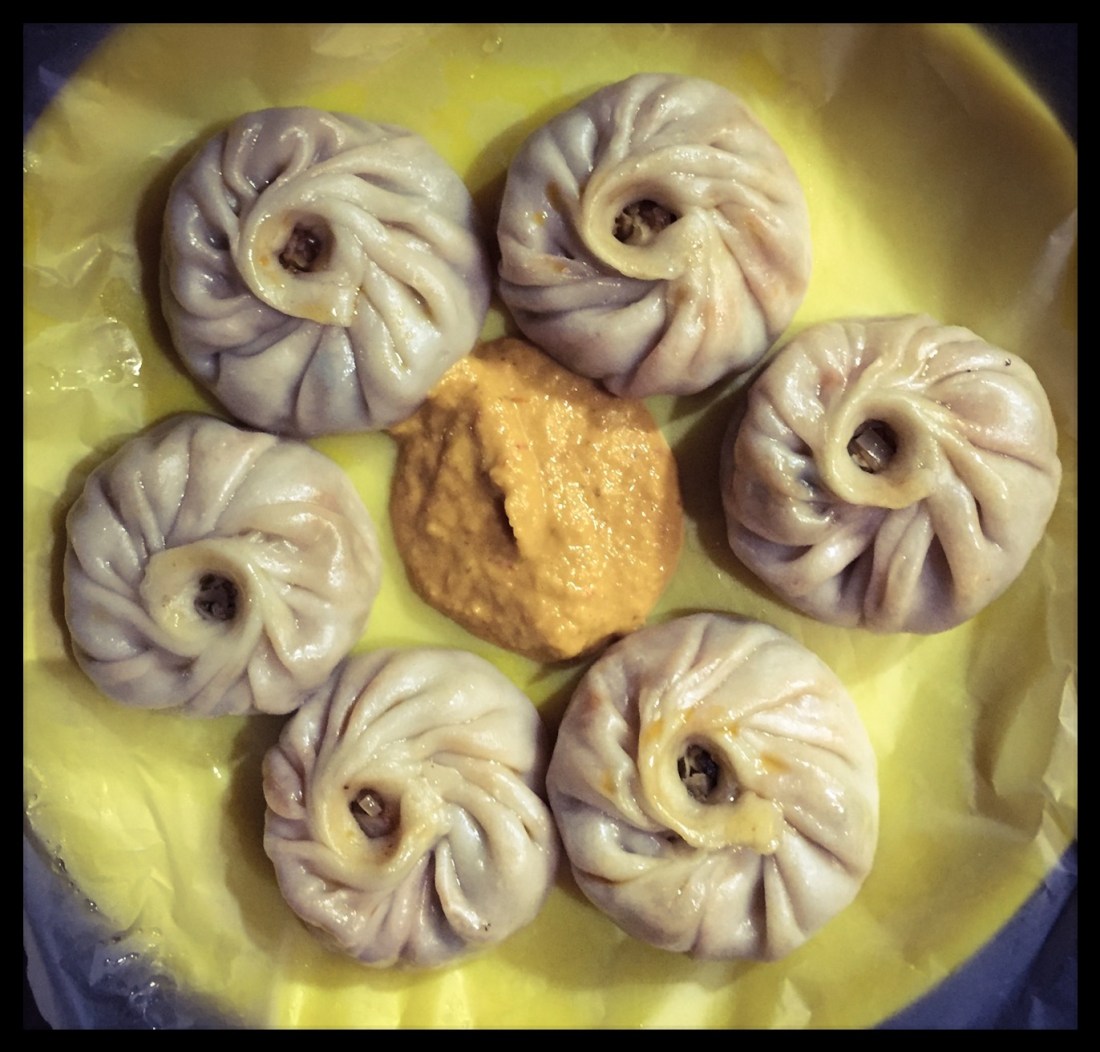
When it comes to putting things in order, even the most chaotic person would first think of food, and food stalls stacked with treats and piled with sugar. Ask me though, and I’d think of momos instead. Dumplings in some cultures, the traditional Tibetan momos are stuffed, steamed delicacies. And ever since a friend handmade them for a bunch of us, I’ve fallen in love with the floury, cabbage-filled, caramelised oniony, goodness. And the best part is—aside from the flavoured heat that escapes into your mouth when you bite into it—that it’s always served in fancy shapes and patterns.

momos made to order

To parents

Parenting is hard, and I know this because I have great parents. I’ve seen my parents manage to have meat on the table despite struggling to make ends meet. I’ve seen them toil each day just to make my day. I’ve seen them wage battles between them and yet hide them all behind a smile when I enter the room. I’ve seen them go out of their way to keep me comfortable, to provide my needs, to ensure I have my wants, too—even if it put them in an awkward place. I’ve seen them debate over what’s good for me, what’s bad for me, what I should study, where and how I should go to school, how much allowance I’m allowed, how to deal with my adolescent questions, when to have the “alcohol is bad for you” talk. I’ve seen them dabbling in confusion about parenting, and I’ve seen them figure it out. I have great parents.

But they’ve made mistakes, too. It’s easy for me to point out how they should have raised me instead of how they did, but as a child, I’m biased. I’m always going to say that they should’ve let me stay out until 11 PM and let it go if I get home drunk. Not that I’m a “going-out” kind of person, but all children have their own ideas about parenting.

One of the things my mother didn’t do well, is handling my liberties. She forbade certain movies that, when I watched later in life, seemed like nothing to even bother about. She was always over conscious, over protective, over worried that violence in movies would poison my mind. Sometimes it made me hate her—sometimes, I’d wonder why she never trusted me to make the right choices, why she wouldn’t accept that I needed exposure to grow in society.

She always wanted to keep me away from danger—away from the evils of society, to protect me from harassment in public busses, to save me from being mugged in local trains, to help escape cheating boyfriends, to get me through life unscathed and unworried.

She is a great mother.

But I still worry that she’s made me too soft — meek and scared of the great wide world. If I don’t learn the harshness of life, how would I ever face life?

It’s something I think a lot about, something I never stop thinking about.

That’s why I could relate to this poem about parenting. I’m no parent, but as a child I agree with Frank O’Hara. And I think you would, too. Even if you don’t, give this poem a read—it’s got imagery worth your time.

Ave Maria

Seeking change

Brainwashed by high-paying jobs, early marriages, and supposed happiness lifelong, Jose’s parents wanted the same for him. They wanted their perfect son to become the perfect man.

Except he had other ideas. In a uniformed world, he craved individuality, an identity worthy of the rebel he was. He read awakening literature and revolutionary biographies. Furious at society’s evils, he rallied forces to fight for freedom. The ideal son became the ideal protester — a radical change the world never expected.

When they captured him at last, he saw all the 6×8-feet cells, and realised he’d spent a useless life fighting ubiquitousness.

What’s the point of attending a wedding?

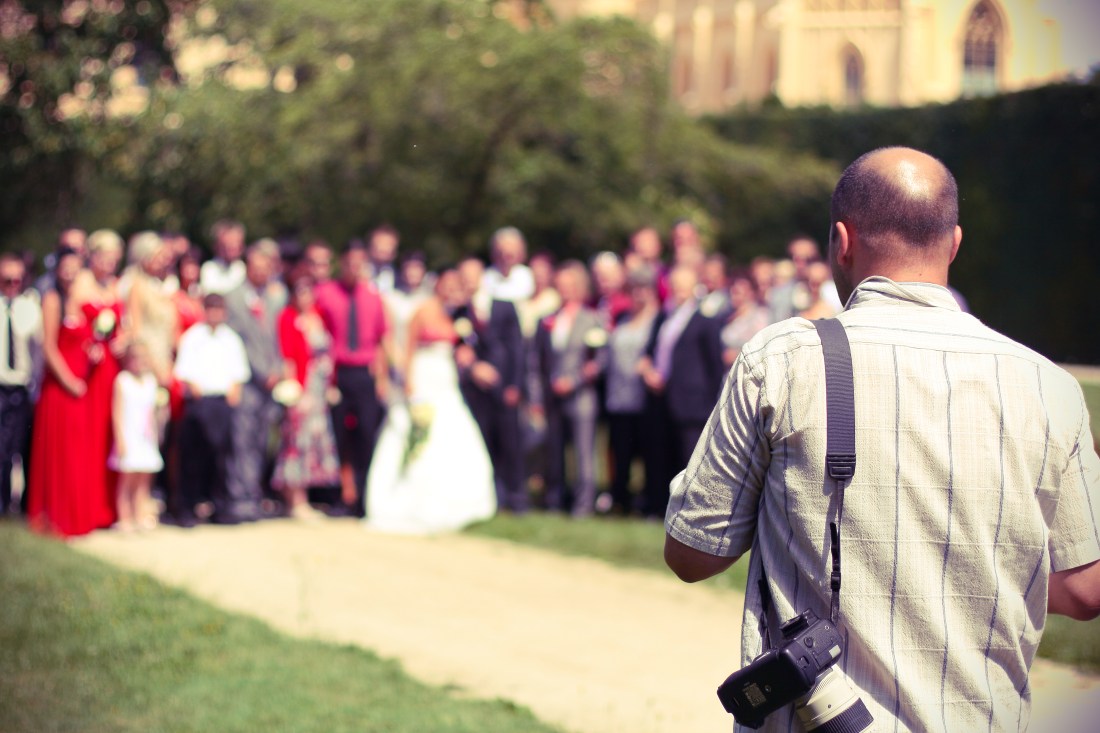
attending a wedding

It’s not the first time that I’ve wondered or written about this, and yet every time I accept a glittery invitation from a glowing bride-to-be, I cringe a little on the inside. Most of my acquaintances are work friends, some of them unavoidable colleagues. And when they hand me their wedding invitations asking me to please come with my family—who they don’t even know—and stay on for the reception afterward, get on stage for a group photograph, and a special selfie later on…

Phew.

Just to think about the happenings on at a wedding is tiring enough, and to add pain to pressure, we’d plan to “go as a team”. Because it’s a colleague, and because we’d have to face them every day once they return from their wedding celebrations, the team would make a unanimous decision to attend the reception at least.

When the day dawns bright and sunny for others, and dull and boring for me, we start calling up each other. “Where are we meeting, how’re we going?” “Let’s take a cab, and share the fare, let’s stay for a couple of hours and share the ride back.” “Let’s get them a gift card, and every one can pitch in a pinch of their salary.”—No one would care if one of us a little low on cash.

We’d call a cab and the driver takes forever to find our picket fences. We’s cruise along the street, on a ride that takes the better part of an hour. And as we near the venue, everyone would scramble on Google Maps trying to locate a wedding hall that seems to have disappeared from the street. The invitation would state the “event” starts at five and we’d be still trying to find the place at five thirty. After going round in circles, we’d at last find the place and head in—only to find that the bride still isn’t ready. The groom would be standing by his room door, on the phone with his busy boss as if his office couldn’t live without him.

I’d sneak a glance at my phone and it’d be 6 pm. The invitation would say 5, and the actual event would start at 7. We’d hang around people watching, manoeuvring around excited cousins running about munching sweets and old classmates of the bride in bright dresses, pouting their lips to flashes from iPhone 7s.

I’d look around at the groom and his best man talking with serious eyes and nervous laughter. The sister would run up to her brother—the groom—and flatten out his suit like a mother flipping out.

And we’d wait, sipping on a watery coffee, too understanding, too decent, and too annoyed to complain, until they exchange the rings, cut the cake, and call us for photos and gifts. We’d get in line after the bunch of squeaky young girls who spread whiffs of sweat and perfume as they flip their curls in my face. And when it’s our turn to wish the happy couple, I, along with the rest of the team, pull on a big fat smile on my face as if there’s no where else I’d rather be. We’d then pose for a group photo and a video clip for the couple’s photographer, and then someone in the team would pull out their iPhone demanding a groupie—as they call it now. First a front-facing, everyone-pouting photo for Facebook, and then a say-cheese Boomerang for Instagram, and at last a decent photo for the office WhatsApp group.

And I, since I’m not an absolute kill joy, would smile and go along. And at last, the photo session would end, we’d exit the stage so that the next group of friends can repeat the same process, and we’d head out in search of food, hoping it’d be worth the price of the cab and the gift.

Pray, tell me, am I missing the point?