The Man

For the past few weeks, I’ve been reading Shakespeare’s Hamlet. The original play in full. And it’s given me moments of solitary pleasure and bliss like none other.

A long time ago, I read a simplified version of the play, and I thought it was just too cinematical. It felt like watching an old movie with a plot that’s been beaten to boredom.

But when I read the play now, I realize how wrong I had been. The story isn’t new, yes, except that everything about it feels new. Shakespeare’s use of words, his insults, his puns and vivid descriptions make Hamlet such an interesting read.

And no one makes imaginary characters utter advice and words of wisdom like Shakespeare does. I’ve found a new respect towards the man. He’s The Man.

And here’s a little titbit.

“Conceit in weakest bodies strongest works”

Pure genius, huh? I know!
Crafting A Dream City

Cristian

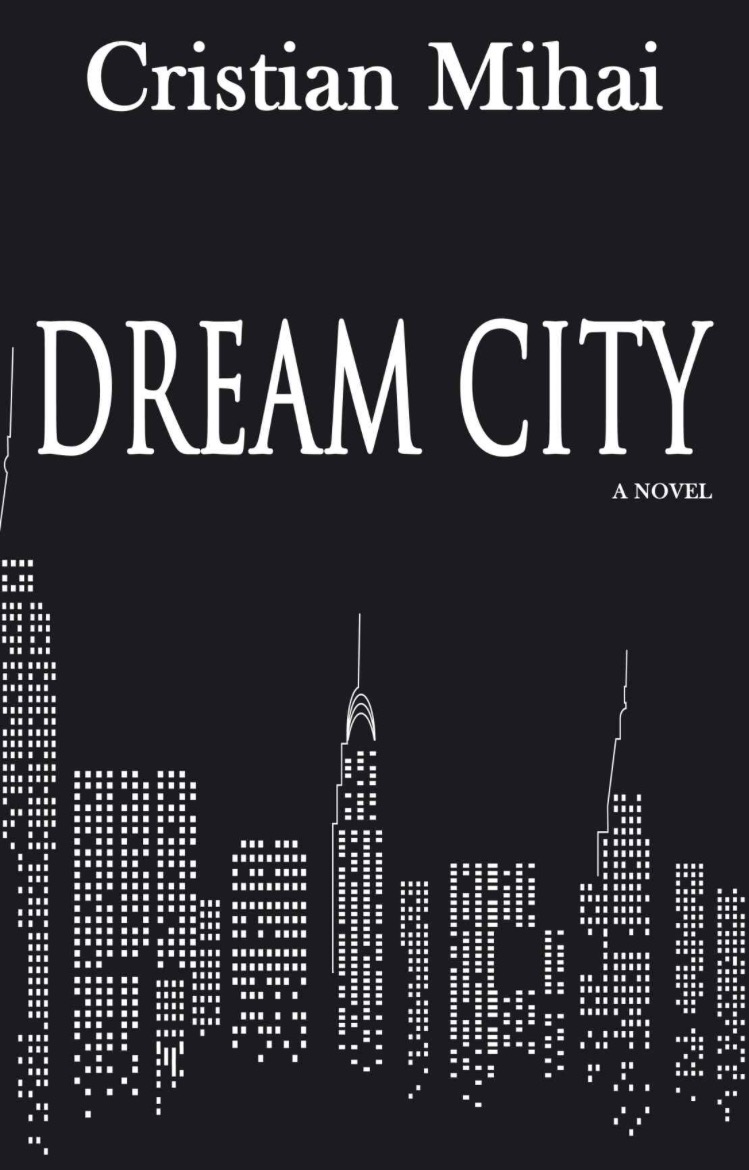
I’ve been following Cristian’s blog for a while and I feel guilty each time I read one of his posts. Because though I’ve had his book on my kindle for a long time, I’ve never read it.

I should have read it sooner.

The one constant in the story is Cristian’s voice. He kept seeping through the words. There were either sentences he often uses in his posts or thoughts that every writer could relate to. The story itself is about artists, art and the consequences of choosing art.

I loved the story. And the main reason: simple words ringing hard in your ears. This book lingers.

“But the truth is, what doesn’t kill you makes you wish it did.” – Cristian Mihai, Dream City

This is Cristian. Every syllable of that line screams Cristian. And it’s more; it’s every artist. And it was gripping that in many places, I felt the protagonist and Cristian interchange. Not just him, I felt myself intermingle with the protagonist too. Because the characters speak to you, and you suddenly realize their life is your life.

The author knows the pain of being an artist, and he translates the emotion with so much art.

Dream City

That’s it. The essence of everything we do.

What Is The Point Of Reading?

What is the point of reading?

Really, why do we read? I can’t say how many times I’ve got the same advice: read. Some writers even say the best writing advice they’ve received is, “read as much as you can. Read anything and everything you can lay hands on.”

But I’ve also seen people who never read. People who are too lazy to pick up a paperback, or to drag a hardcover along. Think they’d rather prefer the kindle? Nope, they are tech junkies.

Come to think of it, in a world without traditional schooling, you don’t have to read at all. Except of course, the statuses on Facebook and the incessant chattering on Twitter. You just wake up, eat, go out with friends, earn some cash, spend more than you make (so you have something to regret later on in life), grab a drink with a friend while checking your phone every other minute, and then go home to bed.

Where would you be reading? Why would you be reading at all?

But then, days pass by. You’d grow tired of the same pitcher you’ve gotten from the same pub for years together, your burger would taste same o’l, same o’l and soda would just leave you bloated.

Friday evenings would become painful. You would slump on your couch all evening, uninspired to even switch on the television. Life would go on, in a straight road; no speed breakers, no potholes, no jerks, no jokes. Lifeless.

Suddenly it would all seem dry, plain and dull. Your world would become much smaller than it used to.

And then one day, someone would hand you a book. Nothing fancy, just The Jungle Book.

And life never is same.

Why else would we read?

Enchanting Much, Is the Order of Words

English insanely makes sense. No matter how you rephrase a sentence, there’s always meaning.

  • Desire is the pendulum never content.
  • The pendulum that desire is, is never content.
  • Never content is desire, the pendulum.
  • Never content desire — is the pendulum.
  • Never content — desire is the pendulum.
  • The pendulum of desire is never content.
  • Never content — the pendulum of desire.
  • Pendulum — desire, never content.
  • Never content pendulum is desire.

I read in Zinsser’s On Writing Well about rephrasing words for a better effect, and being ever so curious, I tried it. I cooked up a random sentence and rephrased it in many ways, and it still made sense.

Ho English!

The Good O’l Days

good old days

Oh, I miss those days,

when all that mattered

was the next class —

carrying a bulky book,

and caressing with a love

that none understood.

*

I miss that thrill —

of having the book open,

of reading a piece of prose —

or a poem — yes,

I’d like that — a poem.

*

A war poem, perhaps,

with a touch of sarcasm

and plenty pathos

oh, I’d love that; reading

analyzing, and discussing

the figures of speech and

reading between the lines —

decoding puzzling poetry.

*

I miss being awed

by the ceaseless Caesar,

and Brutus back stabbing;

the hair that be wires;

and the stunned disbelief

when love’s not love.

*

I miss those days —

of classroom revelations,

of shared appreciations

and new born respect —

oh, for god’s sake,

I meant for literature.