
Man, the sun’s scorching, and it’s not even summer yet! Really, where is the world going to? In this rate, the world is going to come to an early and ugly end.
Look at the maniacs, driving around recklessly. Don’t they ever care about the environment? It’s so annoying to see these people, talking about global warming, but doing nothing. Irresponsible idiots.
Whoa! Wish I had a bike, so that I don’t need to walk all the way, sweating like a labourer.
Wow! This car is awesome. Such a smooth ride, I really can get used to this.
Heck, who’s that kid? “Hey, watch it! I don’t want your blood splattering all over my new car. Find someplace else to die.”
Idiots! Spoiling my mood, early in the morning. Why can’t these people sit in the safety of the pavement and beg? Why do they have to ruin my day?
This country is never going to change. Wonder what happened to my visa. Gotta call them today.
Oh, my stomach. Please stop growling.
It’ll be so good if I can get some money today. Two days without food, Ma’s become so fragile. I have to get something today.
What an easy life these people have! No worries at all, about anything. Wish I were born rich!
They drive huge, colourful cars, but so carelessly. Who’d watch out for their families if something happened to them?
I would be more careful if was driving that car.
Oh, my throat’s so dry.
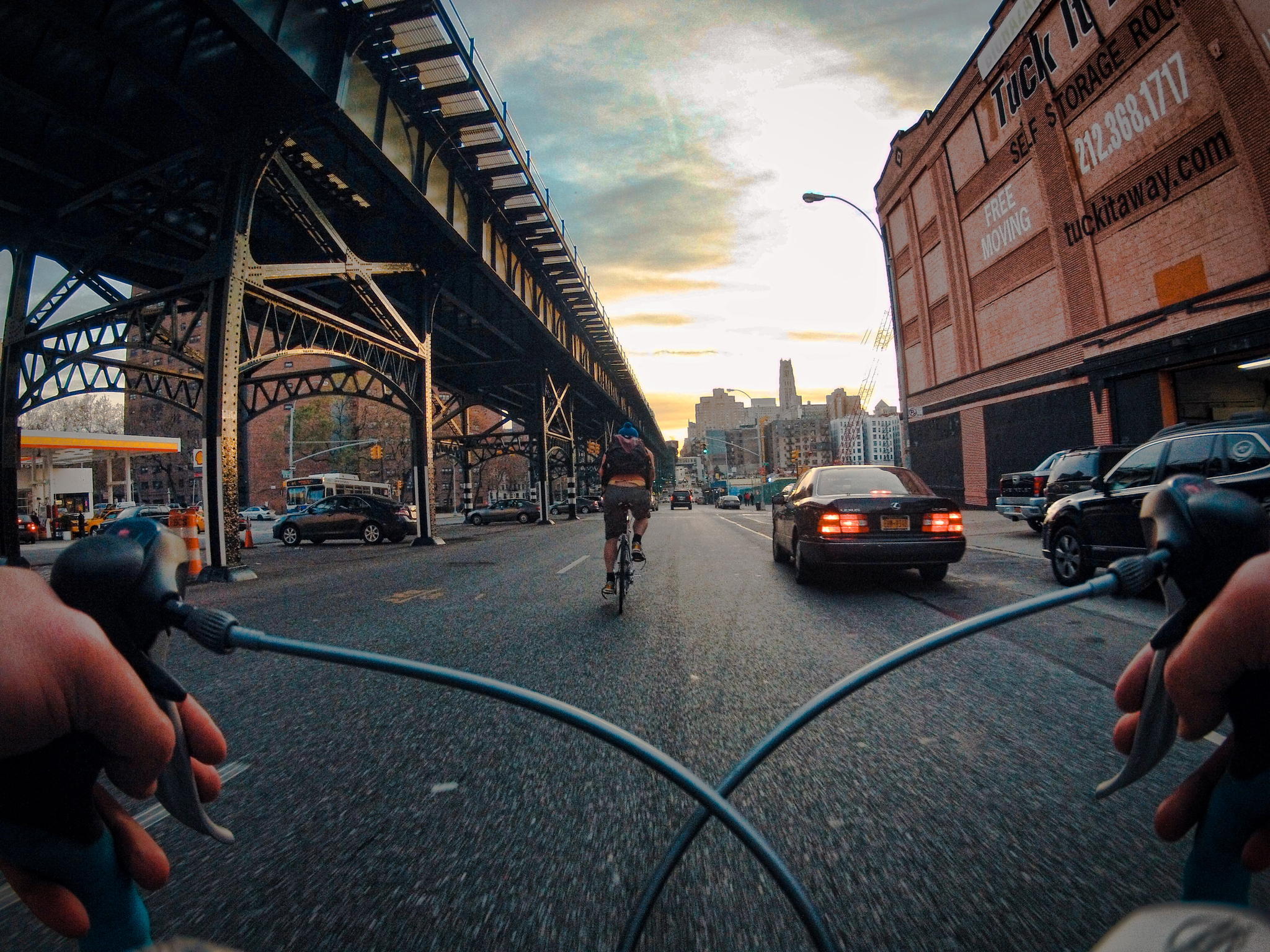
There’s a young man in a bike. He might give me something. Must get to him before he leaves.
“Hey, watch it! I don’t want your blood splattering all over my new car. Find someplace else to die.”
“Sorry,” Why aren’t the words coming out?
Where’s that man on the bike? Oh, there he goes, shaking his head, talking to the girl sitting behind him.
Sigh.
Perhaps, I could ask that someone in that tea shop. Hopefully, I’ll get a job. Maybe today, we could eat.
He smiled to himself.
How great it is to be young. How great to be able to walk without the help of a rigid stick.
These young people don’t understand what it is like, to stand here everyday, begging — and how much I hate it — and displaying my helplessness.
Look at that girl, so self possessed. Not caring about anything other than her salary. She’s probably making plans for the weekend. And here I am, not knowing if I’d have another meal today.
What is that perfume? Whoa, makes me dizzy.
Urgh. I’m going to kill her. How dare she test her new perfume on me? And why is that beggar staring at me like that? As if he’s never seen a girl? I just hope I don’t stink.
What’s the date? Ah, salary day. How glad I am to think of it. Got to send some money to Ma and Pa.
I just hope they use it, instead of saving it. The dues on the loans are piling up. Got to speak to Ma and persuade her to talk to Pa about paying off the loans from the savings.
Display ids, display ids, display ids, display ids, display ids.
It’s become like my mantra. Why can’t these people just have their ids on them? I’m tired of reminding them every day.
Who do they think they are, big people? Ok, maybe they earn more than us, but we have families to support too. And here we are standing, looking at thousands of faces every day reminding them to display their ids.
Ah, it’s almost time. Can’t wait for my duty time to end. So excited. My child is going to see daylight today. Will it be a girl or a boy?
Hope she’s fine at the hospital. Hold on dear, I’m coming.
“Display ids”
Why should there be so much traffic in this city? Ya, ya, here’s my id. Stop yelling at me. I can’t even hear you through the glass.
That security looks worried. Bad news on the phone, perhaps. Where is he rushing to, I wonder?
She’s in pain. I have to go. The baby will be here any minute.
Hey watch it. You’re lucky you missed my car, you uneducated fool!
Ah, work awaits. Sigh.
Heck. What’s that sound?
Goodness what happened there? Why’s everyone crowding there? Did someone get hit?
Anyway, I got more important things to do.
I didn’t do that. I didn’t do that. I didn’t do that.
It was an accident. He came right in front of me. I didn’t do it on purpose.
Oh, my God. Poor man. Why was he running?
What do I do now? Am I going to get caught? Will they arrest me? Oh, hope he’s fine. Hope he’ll recover. Please don’t be dead. Please don’t be dead.
“The security’s dead, Miss”
What’s the hold up there?
Oh, another accident. Reckless women, holding us up.
My clients would be waiting. Going to be late for the meeting. The Boss is going to be furious.
This post is my response to the Weekly Writing Challenge: Leave your shoes at the door. A brief insight into the thoughts of the various people on the city streets, at the dawn of day.