
Sometimes, to understand some things, you have to be there. That’s how Darjeeling is. I had to be there to realize what the most talked-about tea was all about.
It’s just tea. But the mystic romanticism involved with Darjeeling tea is enough to make any dog out peep through the window.
That’s why I had to know what the ruckus was about. From my research, I learnt that locals add unsalted butter to their tea. Well, with plummeting temperatures, they need to be bulletproof of course.
We never got to try it though. It could be because we were just a fancy group of people walking around with flashy phones and discount DSLRs, pretending to be professionals. Typical tourists tend to put the locals off.
Nevertheless, there was tea. There’s always tea.

But it was commercialised tea. Good, yes, but some shops denied justice to the perfect combination of milk and water. Because milk does’t suit Darjeeling. We shouldn’t have expected a perfect cup of tea with full cream milk and two spoons of sugar.
When in Darjeeling, you should drink tea without milk. As for the sugar, maybe a little. That’s the essence of tea in that hill.
I love tea in all forms. I adore the strong smell wafting through my nostrils, invigorating the brain all the way to the last bone. And the earthy flavour that lingers in my throat, even hours afterward.
Milk just ruins the whole experience. At least in Darjeeling.
As an avid tea-fanatic, I can vouch that colour is most important while drinking tea. And if you like your milk strong, you can’t have your tea as strong. Darjeeling is famous for leaf-based tea, and not the dust that’s common throughout the rest of India. That’s what makes Darjeeling tea unique: It’s all leaf and no powder. And that’s why it needs to brew, not cook.
Tea making is an art. Making Darjeeling tea is another one altogether. It’s a process: You put the pot to boil, and wait for the bubbles to pop up, threatening to evaporate all your water. You switch off the stove, and let it sit for a few seconds while you measure out a few leaves. Sniff in the scent of fresh toxic before throwing them into the pot and closing the lid.
And then you wait.
For a minute or two. For the leaves to seep through the heat, to distil the purest of flavours, and transform plain water into a royal drink. Then strain and enjoy. It’s worth the whole 2 minutes you’d have spent standing by the pot.
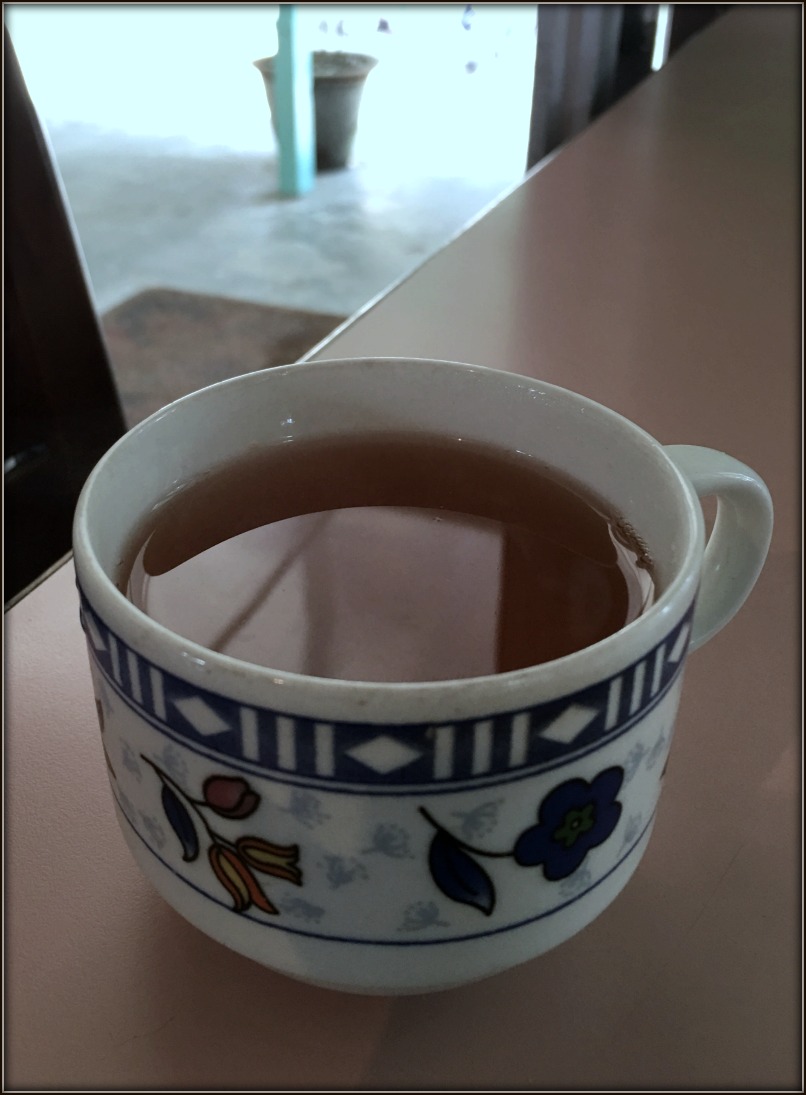
But making Darjeeling tea isn’t as easy as four steps. Let it seep for an extra few minutes, and you’d end up with some bitter tea that’ll make you feel like a dethroned royal.
Despite that, I bought back five packets of Darjeeling tea. I know, some days would be bad tea days. But every day, I’d be royal.
 The Chaos Within
I love teas too and I will remember to drink Darjeeling tea with no milk next time :)
LikeLike
Please do. I’m also a huge fan of adding a dash of lemon to black tea. Tried that?
LikeLiked by 1 person
Yes I have :)
LikeLike
Hi, I have al my tea milk free. I personally think that Darjeeling is a tea best served this way, Chloe.
https://pinkiebag.com/
LikeLike
I agree! There’s no point in going someplace if you’re not willing to adopt their ways.
Thanks for reading, Chloe.
LikeLike
Absolutely, a Darjeeling should not be drunk with milk, that would kill it. Darjeeling tea is a fairly delicate drink, the flavour of which is best enjoyed on its own. Which flush(es) of Darjeeling tea did you buy? It goes well with creamy cheeses like Brie, for example – try that, you’ll like it!
If you’re curious about tea and want to learn more about it and what makes the taste of tea, you can find some info on our blog, blog.tastefortea.com – or register for a tea tasting subscription at http://www.tastefortea.com (launching soon). Thanks, and keep up the good work! :)
LikeLike